
Tomaspis inca
Tomaspis inca
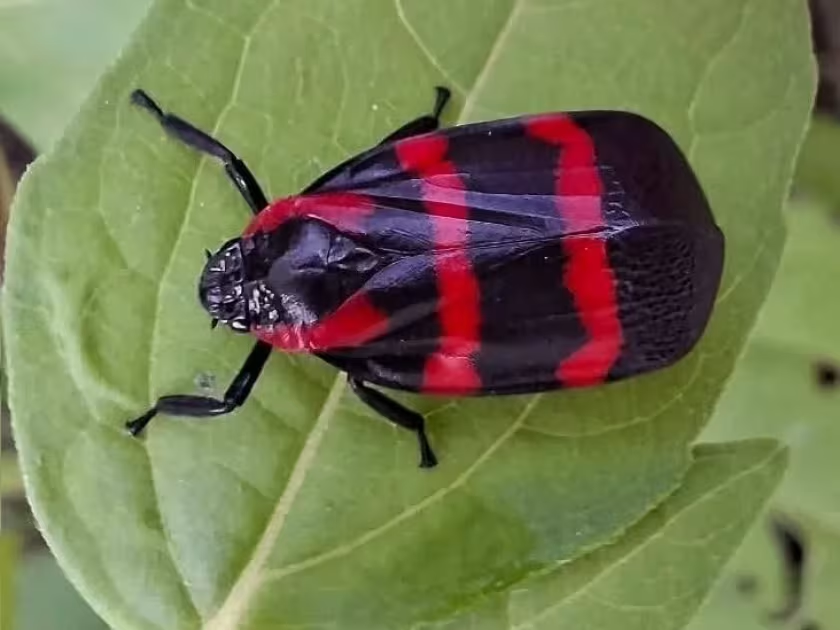
Description
How to identify
Tomaspis inca is a species of spittlebug belonging to the family Cercopidae. These insects are well-known for their unique nymphal stage, where they surround themselves with a white, frothy foam to protect against dehydration and predators.
Adult insects are typically robust with powerful hind legs designed for jumping. They possess wings capable of sustained flight, allowing them to disperse across fields and colonize new host plants efficiently during the growing season.
The biology of Tomaspis inca is heavily dependent on moisture. Females deposit eggs into plant tissues or soil crevices, where they remain protected until conditions trigger hatching, which is highly linked to the onset of seasonal rainfall.
The life cycle proceeds via incomplete metamorphosis, comprising egg, five nymphal instars, and the adult stage. The absence of a pupal stage means the insects remain active feeders throughout their development.
Accurate identification of this species often requires careful examination of morphology. In field conditions, they are most easily identified by the presence of their characteristic foam nests, though species confirmation may necessitate taxonomic expertise.
What it damages
This pest is a significant threat to various Poaceae species, including sugarcane, maize, and forage grasses. By feeding on xylem sap, Tomaspis inca extracts essential fluids and nutrients, causing significant physiological stress to the host.
As the insects feed, they inject saliva into the plant tissues, which can be phytotoxic. This process often leads to chlorosis, stunting, and in severe cases, the necrosis of leaves and stems, significantly reducing biomass production.
In addition to direct nutritional loss, the feeding punctures provide entry points for secondary pathogens, such as fungi and bacteria. These infections can complicate crop health and further exacerbate the damage caused by the insect.
The economic impact is particularly high during the vegetative growth stages of the crops. A reduction in photosynthetic capacity leads to lower grain yields and diminished quality of forage or sugar content.
Fields with high infestations show visible patches of withered or yellowed plants. If left unmanaged, these patches can expand rapidly, causing extensive losses across the entire field area.
When it appears
The activity of Tomaspis inca is synchronized with the wet season. Increased humidity is essential for the survival of the nymphs, which reside within their foam nests, and for the overall reproductive success of the population.
Temperature plays a crucial role in development, with optimal growth occurring between +22°C and +28°C. In these conditions, the duration of the life cycle is shortened, allowing for multiple overlapping generations per season.
During the dry season, the insect often survives in the egg stage, entering a period of diapause. This adaptation allows the species to persist in regions with highly variable rainfall patterns.
Population peaks are typically observed during the mid-to-late part of the wet season when host plants are abundant and the microclimate remains stable. This is the period when agricultural damage is most severe.
Strategic monitoring should begin with the first rains. Understanding the timing of egg hatch is critical for implementing timely control measures before the population reaches damaging thresholds.
Signs of infestation
The primary diagnostic sign of a Tomaspis inca infestation is the presence of masses of white, spittle-like foam on the stems or at the base of the plant. These nests are highly conspicuous and confirm the presence of nymphs.
Symptoms of feeding damage include yellowing or browning of leaf tips, which often progresses towards the leaf base. Plants may appear wilted or limp even in the presence of adequate soil moisture.
Infested plants often exhibit stunted growth compared to healthy plants. Shortened internodes and a decrease in overall vigor are common markers of a chronic infestation that has been ongoing for some time.
During daylight hours, adults can be found by inspecting the foliage or shaking the plants. They are agile jumpers and will quickly move to adjacent stalks when disturbed, making them difficult to capture by hand.
Over time, the affected areas may develop a dark, sooty appearance due to secondary fungal growth. This is caused by the accumulation of insect secretions and the moist environment provided by the spittle masses.
Control measures
Effective management requires an integrated approach. Cultural controls, such as crop rotation, selecting resistant varieties, and proper spacing, can reduce the suitability of the field for the pest population.
Chemical control should be applied based on economic thresholds. Systemic insecticides are generally preferred as they ensure the active ingredient is available in the plant sap, directly targeting the feeding insects.
Biological control methods are increasingly popular, particularly the use of entomopathogenic fungi like Metarhizium anisopliae. These biopesticides are effective at reducing nymphal populations in humid conditions.
Regular field scouting is essential to detect early infestations. Early intervention prevents the establishment of a large, multi-generational population that would be much harder to control.
- Monitor fields for the presence of spittle masses after initial rains.
- Maintain weed-free borders to limit alternative host availability.
- Use fungal-based biopesticides during periods of high humidity.
- Coordinate insecticide applications to coincide with the most vulnerable nymphal stages.
Taxonomy
- Latin name
- Tomaspis inca
- Order
- Hemiptera (bugs, aphids, leafhoppers)
- Family
- Cercopidae
- EPPO code
- TOMAIC
Discussion
No discussions yet — be the first.