
Tomaspis
Tomaspis
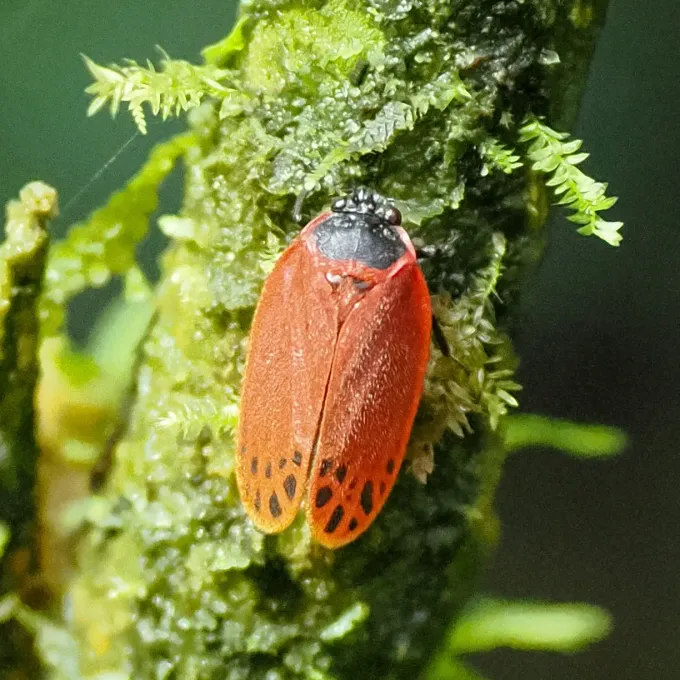
Description
How to identify
The genus Tomaspis belongs to the family Cercopidae (spittlebugs), order Hemiptera. These insects are widely known for their ability to produce a protective foamy substance that prevents the larvae from desiccation and protects them from predators.
Adult insects typically have an elongated body and often possess a warning coloration, which is common for many species within this family. Their body length ranges from 7 to 12 millimeters depending on the species.
The larval stage occurs inside the protective «spittle» or foam, which they produce by secreting a fluid and passing air through it using rhythmic abdominal movements. This makes detecting the pest during early development quite difficult.
The head features a piercing-sucking mouthpart, which allows the insect to feed efficiently on plant phloem. The antennae are relatively short and placed between the eyes.
Identifying specific species within the Tomaspis genus often requires microscopic analysis of genitalia, as many species share a very similar external morphology.
What it damages
Tomaspis species are polyphagous, although they often specialize in certain plant families, including grasses and sugarcane. They cause significant economic damage in various agricultural regions.
Both nymphs and adults feed by extracting plant sap, which leads to metabolic stress and stunted growth of the host plant. A heavy infestation can severely reduce the yield and quality of the crop.
When the pest population is high, the collective feeding activity can result in the mass decline of entire fields, making it a serious threat to productivity.
The feeding sites often become necrotic, which facilitates secondary infections by fungal or bacterial pathogens, further damaging the plant's vascular system.
In tropical and subtropical environments, these insects are notorious for causing shoot deformation and preventing the normal development of leaves in young plants.
When it appears
The seasonal activity of Tomaspis is highly correlated with climate conditions, particularly moisture levels and temperature during the growing season.
The life cycle typically includes an overwintering egg stage. Nymphs hatch when temperatures rise and favorable humidity conditions allow for the successful creation of their foam.
Depending on the region, the insect may complete one or several generations per year. In regions with warm climates, breeding can occur throughout the year without a distinct dormant period.
Wet weather is highly favorable for nymphal survival, as the foam requires sufficient humidity to maintain its structure and protect the developing insects.
Adults are highly mobile and active during the day. They can move across long distances, facilitating the rapid colonization of new fields and crops.
Signs of infestation
The most distinctive sign of a Tomaspis infestation is the presence of white, frothy foam masses located at the base of stems, leaf axils, or on the lower foliage.
Plants affected by these pests exhibit signs of chlorosis, leaf curling, and premature wilting due to the significant loss of internal sap and nutrients.
Stems may display visible puncture marks from feeding, which can later turn into brown, necrotic spots as the tissue dies off.
- Presence of frothy foam masses on the plant.
- Yellowing and chlorosis of leaves.
- Premature wilting and drooping foliage.
- Retarded growth and plant stunting.
- Necrotic spots on stems and leaf blades.
Infested plants often show a marked decrease in turgor pressure, appearing dehydrated and stressed even when soil moisture is adequate.
Control measures
Integrated pest management starts with cultural practices, such as rigorous weed control, which removes alternative host plants during the non-growing season.
Selecting pest-resistant cultivars is a highly recommended strategy to minimize the attractiveness of the crops and keep the pest population below economic damage thresholds.
Chemical control involving systemic insecticides is effective against nymphs and adults, provided that the application is timed correctly with the pest's life cycle.
Biological control methods emphasize the protection of natural enemies, including entomopathogenic fungi, predatory bugs, and specific parasitic wasps that prey on Tomaspis.
Regular field scouting using yellow sticky traps allows for the early detection of the pest, enabling timely intervention and reducing the reliance on broad-spectrum chemicals.
Taxonomy
- Latin name
- Tomaspis
- Order
- Hemiptera (bugs, aphids, leafhoppers)
- Family
- Cercopidae
- EPPO code
- TOMASP
Discussion
No discussions yet — be the first.