
Tinostoma
Tinostoma
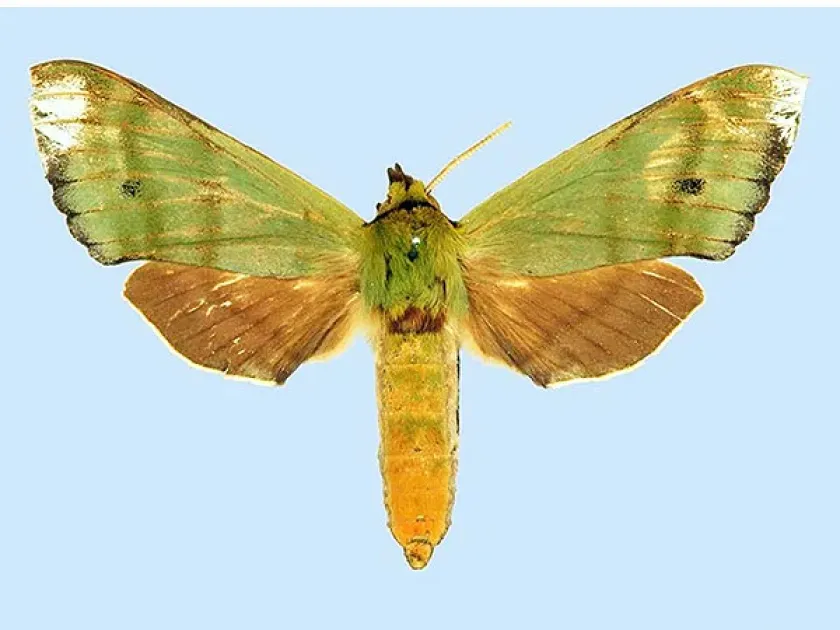
Description
How to identify
Tinostoma is a genus of beetles belonging to the Curculionidae family, commonly known as true weevils. These insects are characterized by a prominent rostrum or snout, which is a highly specialized tool for feeding and oviposition within plant tissues.
The adult form is typically cryptic, featuring a coloration that allows it to blend seamlessly into bark or foliage. Their rigid chitinous exoskeletons provide significant protection against environmental stressors and predators in their natural habitats.
The life cycle follows complete metamorphosis: egg, larva, pupa, and adult. Identifying specific species within this genus requires detailed inspection of morphological features, such as the shape of the pronotum and the texture of the elytra.
These pests are generally secretive, often active at night or in shaded conditions to avoid detection. Their sensory organs are highly attuned to plant volatiles, enabling them to locate suitable host plants with remarkable precision.
Developmental stages are closely linked to the phenology of host plants, ensuring that larvae have immediate access to nutrients upon hatching. Understanding this timing is crucial for effective monitoring and pest management programs.
What it damages
Tinostoma causes damage primarily through larval boring into the stems and woody tissues of host plants. These tunnels disrupt vascular pathways, causing localized necrosis and significantly weakening the overall health of the plant.
Adult beetles contribute to damage by feeding on young leaves, buds, and shoots, which can lead to aesthetic deformities and reduced growth vigor. Such injuries are particularly concerning for young nurseries and developing fruit trees.
The wounds created by Tinostoma serve as entry points for various pathogens, including fungi and bacteria, which can cause secondary infections. These infections often lead to more severe damage than the initial physical destruction by the beetle.
Heavy infestations lead to a reduction in fruit yield and poor plant development. In severe cases, the structural integrity of the stems can be compromised, leading to limb breakage or, in extreme instances, plant mortality.
Economic impact is driven by both direct yield loss and the cost of mitigation efforts. Furthermore, stressed plants are less resilient to environmental extremes, such as drought or severe cold, leading to further declines in productivity.
Control measures
Managing Tinostoma requires an integrated approach that combines cultural practices with targeted chemical interventions. Early detection remains the most critical factor in preventing large-scale infestation.
Cultural control measures focus on maintaining plant vigor and sanitation. Pruning and destroying infected branches reduces the population density of larvae, preventing the completion of their developmental cycle.
Biological control options involve encouraging natural predators, such as ladybugs, predatory mites, and parasitic wasps. Applying entomopathogenic fungi as a biopesticide has also proven effective in suppressing pest populations under favorable conditions.
Chemical control should be employed strategically, using systemic insecticides that penetrate plant tissues to reach hidden larvae. Applications must be timed according to the insect's peak activity periods to ensure maximum efficacy.
- Use pheromone traps to monitor adult population levels
- Ensure balanced fertilization to boost plant immune responses
- Implement strict quarantine protocols for imported plant material
- Regularly inspect the orchard for signs of boring activity
Taxonomy
- Latin name
- Tinostoma
- Order
- Lepidoptera (butterflies)
- Family
- Sphingidae
- EPPO code
- TINSSP
Discussion
No discussions yet — be the first.