
False indigo-bush
Amorpha
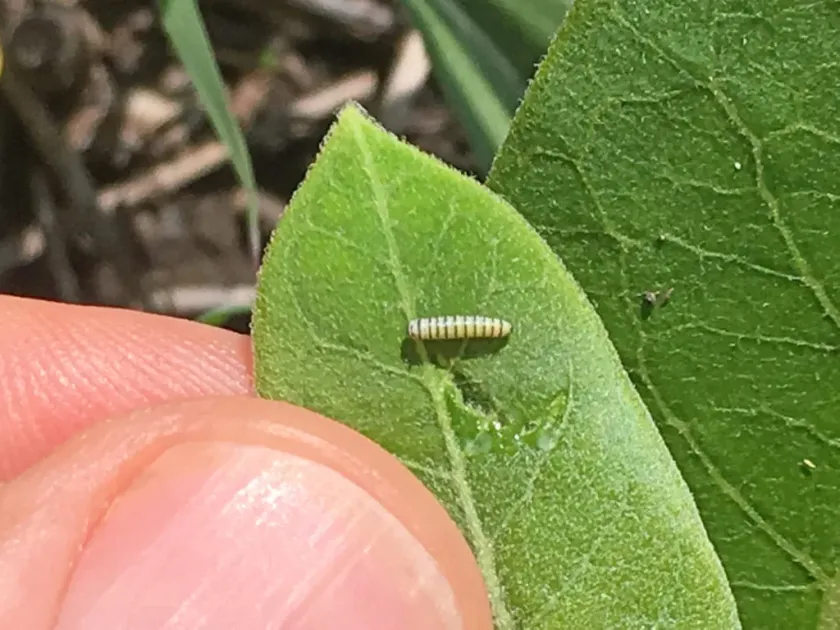
Description
How to identify
Amorpha fruticosa, commonly known as false indigo-bush, is a perennial leguminous shrub native to North America but considered a serious invasive species in many other parts of the world.
The plant grows to a height of 2-3 meters and features pinnately compound leaves and dense, spike-like clusters of purple flowers with orange-yellow anthers.
It possesses a remarkably strong and extensive root system, allowing the plant to thrive in diverse and challenging soil conditions, ranging from dry, sandy soils to wet, flood-prone riparian areas.
Seeds are wind and water-dispersed, which significantly aids in its rapid colonization of new habitats and makes it difficult to contain once established in an area.
In agricultural and forestry contexts, its rapid growth rate and lack of natural predators in non-native environments make it a significant threat to biodiversity and land productivity.
What it damages
False indigo-bush damages ecosystems by aggressively invading wetlands, riparian zones, and abandoned agricultural land, where it outcompetes native vegetation.
In forestry, it competes directly with young tree seedlings for water, light, and soil nutrients, often leading to reduced growth rates or total loss of reforestation efforts.
Agricultural pastures suffer from reduced grazing capacity as the shrub forms dense, impenetrable thickets that livestock cannot penetrate or graze upon.
The plant disrupts irrigation systems and maintenance in rural areas, where its aggressive root growth can clog channels and interfere with soil management operations.
Economic damage is substantial, as farmers and land managers must invest heavily in mechanical and chemical eradication programs to clear affected areas.
When it appears
The growth phase begins in early spring as temperatures rise, typically starting in April or May depending on the regional climate, with rapid biomass accumulation.
Flowering occurs throughout the mid-summer months, usually June and July, which is the most visible stage of the plant's life cycle before seed production.
Seeds mature by late summer and autumn, which is the critical window for containment, as the plant must be removed before the seed heads disperse further.
The shrub enters dormancy during winter but remains highly resistant to freezing temperatures, ensuring survival through harsh weather conditions.
Continuous regrowth from the rootstock after mowing or fire-damage allows the plant to persist and expand throughout the entire growing season.
Signs of infestation
Early identification involves spotting the distinct pinnate leaves and the tall, purple-flowered spikes that emerge during the summer months.
The establishment of dense, woody thickets in areas previously covered by native grasses or low-lying shrubs is a primary indicator of a successful invasion.
- presence of woody stems with gray bark;
- rapid colonization of roadsides and irrigation ditches;
- absence of competition within its dense clusters;
- new seedling growth appearing in spring.
In winter, the presence of persistent, dry fruit pods on the stems helps to identify the plant's location even when leaves are absent.
Reduction in the diversity of surrounding plant life is a clear sign that false indigo-bush is monopolizing the site's resources.
Control measures
Mechanical removal, such as digging up the entire root system, is the most effective method for small infestations but requires significant physical effort.
Chemical control using systemic herbicides applied to leaves or cut stumps is necessary for larger, more established populations to ensure the roots are also killed.
Regular cultivation and deep tilling of the soil can prevent the establishment of new seedlings, though this may not be feasible in sensitive riparian zones.
Integrated management is essential, involving follow-up monitoring and the replanting of native or beneficial species that can compete with re-emerging shrubs.
Preventative measures, such as monitoring watercourses and roadsides for early signs of growth, remain the most cost-effective long-term strategy for containment.
Taxonomy
- Latin name
- Amorpha
- Order
- Lepidoptera (butterflies)
- Family
- Sphingidae
- EPPO code
- AMORSP
Discussion
No discussions yet — be the first.