
Ampeloeca
Ampeloeca
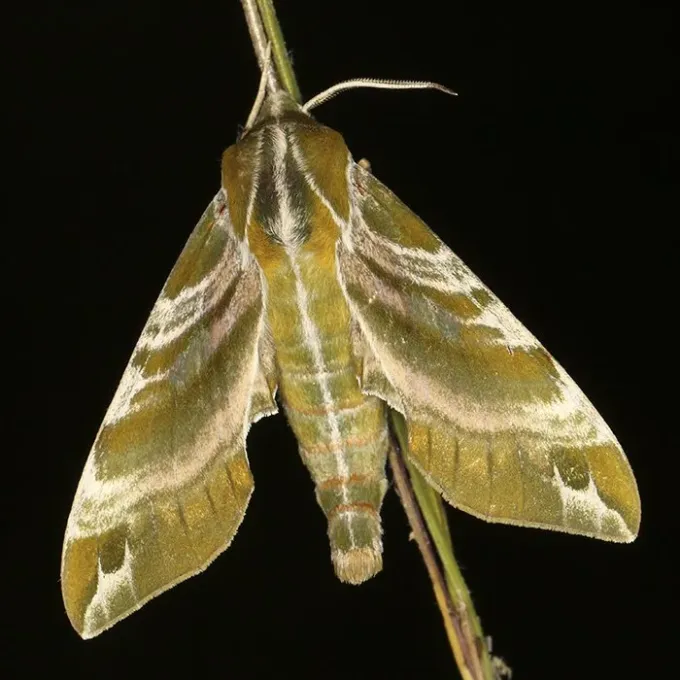
Description
How to identify
Ampeloeca is a genus of moths belonging to the family Sphingidae (sphinx moths or hawk moths). These insects are known for their streamlined bodies and long, narrow wings, which are characteristic of this family.
Adult moths possess a long proboscis, enabling them to feed on nectar while hovering in front of flowers, a behavior similar to that of hummingbirds.
The larvae, or caterpillars, typically feature a distinct horn on the posterior end of their body, a common morphological trait for many species within the Sphingidae family.
The life cycle involves complete metamorphosis, consisting of four distinct stages: egg, larva, pupa, and adult, allowing the insect to adapt to various environmental conditions.
Adults often have camouflage patterns on their wings, which help them blend in with tree bark or foliage when resting during the day.
What it damages
The primary damage is caused by the caterpillars, which have a high metabolic rate and consume large quantities of leaf tissue in a short period.
The host range includes various plants, particularly those within the Vitaceae (grapevine) family, as well as several other ornamental or woody crops.
Intensive feeding leads to the destruction of the leaf surface, which reduces the plant's ability to perform photosynthesis and store energy for future growth.
Heavy defoliation weakens the host plant, making it more susceptible to secondary diseases and environmental stressors such as drought or heat waves.
In commercial orchards or vineyards, larval feeding can result in significant yield losses and stunted vegetative growth for the current season.
Signs of infestation
The most evident sign of an infestation is the presence of skeletonized leaves or leaves that have been entirely consumed down to the midribs.
Frass (caterpillar droppings) found on the ground beneath the plants or on the remaining foliage is a reliable indicator of active larval feeding.
Because the larvae are predominantly nocturnal, they are difficult to spot during the day, as they often rest on the undersides of leaves or along stems.
The presence of eggs, which are typically laid singly or in small clusters on the underside of young leaves, indicates the start of a new generation.
Severe infestations manifest as noticeable thinning of the canopy and a visible lack of healthy leaf growth compared to unaffected plants.
Control measures
For home gardens and small-scale plantings, hand-picking the caterpillars is an effective and environmentally friendly control method.
Biological control agents, such as formulations containing Bacillus thuringiensis, are highly effective against early larval stages while remaining safe for beneficial insects.
Cultural practices, including deep autumn soil cultivation around the base of host plants, help destroy pupae overwintering in the soil.
If populations exceed economic thresholds, the application of targeted insecticides is recommended, provided that pre-harvest safety intervals are strictly followed.
Regular scouting of the host plants during the growing season is crucial to identify outbreaks early and prevent widespread damage to the crop.
Taxonomy
- Latin name
- Ampeloeca
- Order
- Lepidoptera (butterflies)
- Family
- Sphingidae
- EPPO code
- AMPLSP
Discussion
No discussions yet — be the first.