
Theretra clotho
Theretra clotho
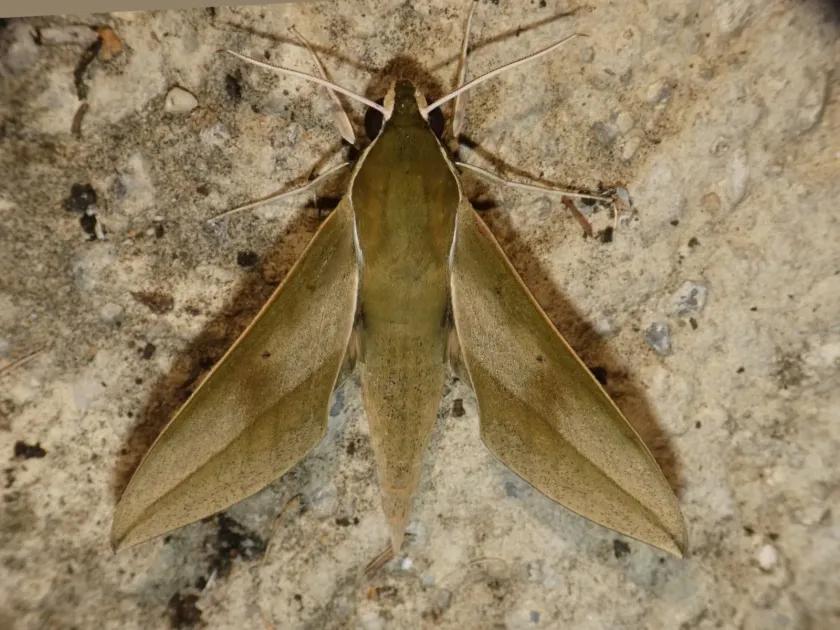
Description
How to identify
Theretra clotho, commonly known as a type of hawk moth, belongs to the family Sphingidae. The adult moth features a streamlined body with a wingspan of approximately 8 to 10 centimeters, optimized for high-speed flight.
The larvae, or caterpillars, are notable for their impressive size and the conspicuous eyespots on their thoracic segments. When threatened, the caterpillar retracts its head, resembling a small snake to deter potential avian predators.
Coloration in larvae ranges from vibrant green to deep earthy brown, providing excellent camouflage against the foliage of their host plants. The life cycle comprises several larval instars, each stage significantly increasing in size and feeding rate.
Pupation typically occurs within the soil or amongst leaf litter, where the insect remains in diapause during cooler months. Adults are primarily nocturnal, visiting various flowers to feed on nectar using their long, specialized proboscis.
The species is primarily distributed across tropical and subtropical Asia, with populations occasionally found in surrounding temperate zones. As a pest, it is specifically recognized for its impact on viticulture.
What it damages
The primary hosts of Theretra clotho larvae are plants within the Vitaceae family, particularly cultivated grapevines. They are also known to feed on ornamental creepers, including species of Parthenocissus and Cissus.
The damage is caused by the caterpillars' voracious appetite. They consume large portions of leaf blades, often resulting in complete defoliation of specific shoots if the infestation density is high enough.
In vineyards, the loss of foliage impairs the photosynthetic capacity of the vine, which directly impacts sugar accumulation in grapes. This can reduce both the quality and yield of the harvest significantly.
Heavy defoliation during the growing season stresses the vine, making it more susceptible to environmental stress and secondary pathogen infections. Seedling vines in nurseries are particularly vulnerable to growth retardation.
The structural damage to leaves and petioles often leads to premature leaf drop, which complicates the plant's ability to store sufficient carbohydrates for the following spring season.
Signs of infestation
The most visible indicator of an infestation is the presence of large, cylindrical frass pellets on the ground beneath the vines. This clearly marks the activity of mid-to-late instar larvae in the canopy.
Physical inspection reveals ragged leaf edges or entirely missing leaf tissue, with only the midribs remaining. Larvae can often be found resting on the underside of leaves or clinging tightly to stems during the day.
Despite their size, caterpillars are masters of camouflage, often appearing as nothing more than a twisted twig or a leaf petiole. Careful scanning of the foliage is required to locate the individuals during daylight hours.
Localized browning or necrosis of damaged petioles may be observed, signaling that the larvae have been feeding in that area. In some cases, light silk webbing may be present between leaves where larvae hide.
Monitoring adult activity with light traps can provide early warning of an impending infestation. Observing moths in the vicinity of the vineyard allows for timely intervention before the eggs hatch.
Control measures
For small-scale or garden settings, manual removal of caterpillars is highly effective and environmentally friendly. Since the larvae are large and relatively slow-moving, they are easy to identify and collect.
Biological control using formulations containing Bacillus thuringiensis is an excellent option for managing populations. These treatments target the larvae specifically and have minimal impact on beneficial insects or the surrounding ecosystem.
In cases of severe infestation, registered insecticides may be used as a last resort. It is imperative to follow local regulations and observe pre-harvest intervals to ensure the safety of the grape crop for consumption.
Cultural practices, such as soil cultivation under vines during late autumn, help disrupt the pupation cycle by exposing pupae to predators and environmental stress. Maintaining a clean orchard free of host weeds is also beneficial.
Implementing an integrated pest management strategy, which combines routine monitoring, habitat management, and targeted biocontrol, is the most sustainable approach to keeping Theretra clotho under control.
Taxonomy
- Latin name
- Theretra clotho
- Order
- Lepidoptera (butterflies)
- Family
- Sphingidae
- EPPO code
- THETCL
Discussion
No discussions yet — be the first.