
Herculean oak moth
Thaumetopoea herculeana
Description
How to identify
The Herculean oak moth (Thaumetopoea herculeana) is a lepidopteran insect belonging to the family Notodontidae. It is recognized primarily by the social behavior of its larvae during their development.
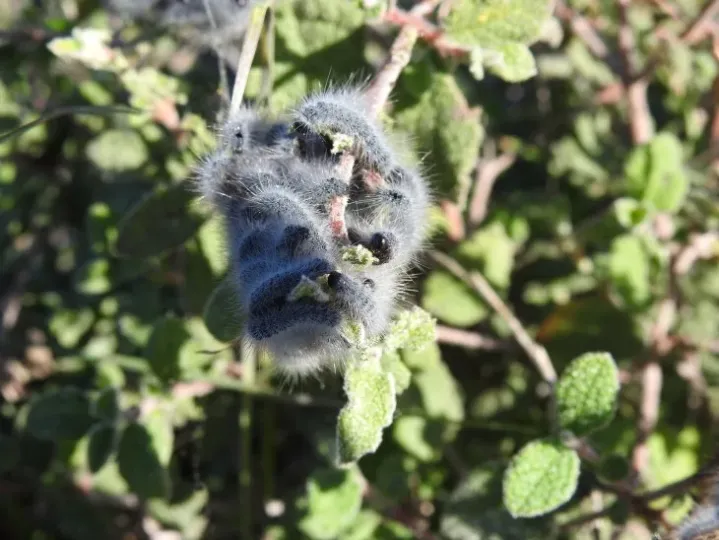
The larvae are covered with urticating hairs. These hairs contain toxins that cause significant skin irritation and allergic reactions in humans and mammals upon contact.
The adult moth is a nocturnal insect with a body structure typical of the Thaumetopoeinae subfamily, often blending in with its natural environment on tree bark.
Lifecycle stages include eggs, larvae (caterpillars), pupae, and adults. Each stage is strictly synchronized with the phenology of the host plants to ensure optimal survival.
Entomologists distinguish this species by analyzing larval characteristics, such as dorsal patterns and the specific construction style of their communal nests.
What it damages
The primary host plants for Thaumetopoea herculeana are various species of oak (Quercus). The larvae feed exclusively on the foliage of these trees.
Mass infestations lead to severe defoliation, which severely stresses the trees. This loss of photosynthetic tissue restricts the plant's ability to produce energy for growth.
Repeated defoliation over several consecutive years leads to a decline in tree health, making the forest or garden vulnerable to drought and pathogenic fungi.
In silviculture, the damage causes significant economic loss, as the growth of high-quality wood is stunted and the protective canopy is destroyed.
In ornamental landscaping, trees infested by this moth lose their aesthetic value and become hazards due to the presence of stinging larvae.
When it appears
The species overwinters in the egg stage. Eggs are laid in clusters on thin branches and covered with protective scales from the female's body.
In spring, larvae emerge to coincide with the opening of oak buds. They begin feeding immediately on the fresh, tender leaf tissue.
The larval stage spans several weeks, during which the caterpillars grow and aggregate in silk nests to maintain a stable microclimate.
Pupation occurs in early summer. The caterpillars descend or migrate to find suitable sites to spin dense, protective cocoons for metamorphosis.
Adult moths emerge in mid-to-late summer, after which they mate and lay eggs, completing the annual cycle before the cycle pauses for winter.
Signs of infestation
The most visible sign of an infestation is the presence of silk nests, which appear as white or grey webs tightly spun between branches.
Visible leaf loss or "skeletized" leaves on parts of the canopy indicate that larvae are feeding in the vicinity.
Large quantities of dark pellet-like excrement accumulating on the ground beneath the tree canopy are a strong indicator of a high-density population.
Reports of skin irritation or respiratory discomfort among gardeners or forest workers are classic symptoms of operating near an active moth colony.
Examination of tree branches during the winter reveals the presence of egg clusters, which can be identified as hardened patches on the bark.
Control measures
Biological control methods involve using Bacillus thuringiensis sprays, which are highly effective against young larvae while minimizing environmental impact.
Manual removal of nests is a standard practice for small-scale infestations. This should be done using protective clothing to avoid contact with stinging hairs.
Chemical intervention is reserved for severe outbreaks, requiring specialized equipment to ensure coverage of high canopy levels.
Enhancing natural biodiversity by encouraging insectivorous birds and parasitic wasps helps in maintaining the population below the damage threshold.
- Regular inspection of oaks in early spring.
- Use of pheromone traps for monitoring adult moth populations.
- Application of barriers on tree trunks to prevent larval movement.
Taxonomy
- Latin name
- Thaumetopoea herculeana
- Order
- Lepidoptera (butterflies)
- Family
- Notodontidae
- EPPO code
- THAUHE
Discussion
No discussions yet — be the first.