
Tarophagus persephone
Tarophagus persephone
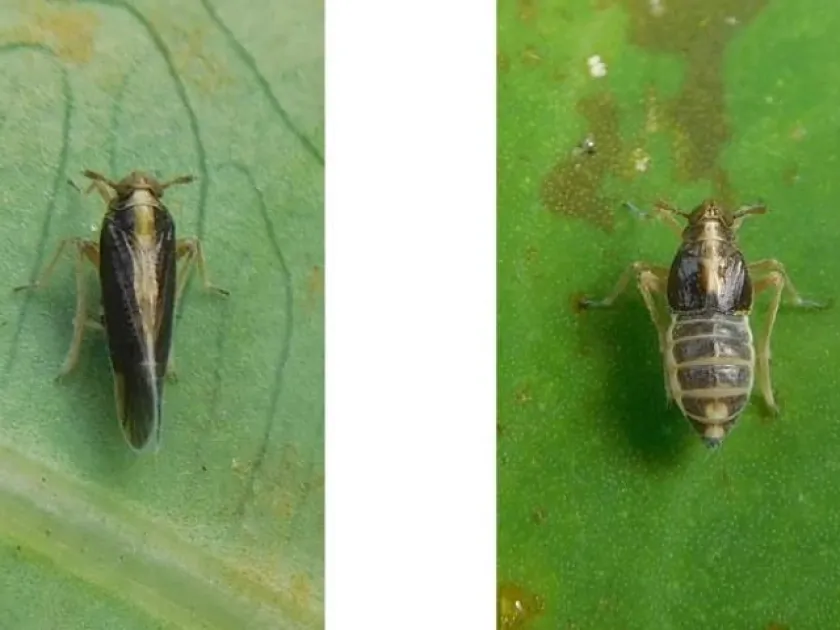
Description
How to identify
Tarophagus persephone is a species of planthopper belonging to the family Delphacidae, order Hemiptera. These small insects are primary pests of taro (Colocasia esculenta) in various regions across the globe.
The adult planthoppers are typically 3 to 5 millimeters long. They possess distinctive wings and a robust body structure that allows them to thrive in humid tropical environments where taro is predominantly grown.
The life cycle involves several nymphal stages, during which the insects are particularly active and move frequently between the leaf stalks and the undersides of the taro leaves to avoid predators and environmental stressors.
Their identification in the field can be challenging due to their ability to jump when disturbed. Agronomists often look for the presence of adult insects or nymphs congregating in the sheltered areas of the plant.
These insects are highly specialized, having adapted specifically to the physiological conditions of the taro plant, which makes them one of the most significant pests affecting this tuber crop.
What it damages
The primary damage caused by Tarophagus persephone results from their piercing-sucking mouthparts. By feeding on the plant's sap, they deprive the crop of essential nutrients and photosynthates needed for tuber development.
Direct feeding causes mechanical injury to the leaf tissues, leading to reduced photosynthetic efficiency and stunted plant growth. In severe infestations, the yield of taro corms can be significantly reduced, impacting farm profitability.
Beyond physical damage, these planthoppers are critical vectors for viral diseases, including Aloma and Bobone. Transmission occurs during feeding, which can cause catastrophic crop loss in susceptible varieties.
The persistent drain on the plant's resources makes the host highly vulnerable to secondary pathogens, including bacteria and fungi that enter the plant through the puncture sites created by the pest.
The economic impact of this pest is exacerbated by its potential for rapid population growth, which can lead to widespread infestation across a plantation if not managed at the early stages of colonization.
Signs of infestation
One of the earliest signs of infestation is the appearance of chlorotic spotting on the leaves. These spots gradually coalesce into larger necrotic areas, indicating localized cell death due to the insect feeding activity.
Presence of waxy secretions or white flocculent material on the plant stems and leaf axils is a definitive indicator of an active nymphal colony. This waxy substance serves as protection for the developing nymphs.
Leaves may show symptoms of distortion, curling, or inward rolling. This developmental abnormality occurs as the plant reacts to the stress and the toxins introduced during the feeding process.
Sooty mold growth is frequently observed on the surface of leaves where the planthoppers have excreted honeydew. This black fungal layer blocks sunlight, further inhibiting the plant's ability to produce energy.
Overall, an infested taro field may exhibit signs of general decline, including yellowing leaves, premature senescence, and a visible reduction in the vigor of individual plants.
Control measures
Effective management begins with the use of clean, pathogen-free planting material. Selecting resistant varieties can also play a vital role in preventing severe outbreaks in endemic areas.
Cultural control strategies include maintaining field hygiene, such as removing crop residues immediately after harvest to disrupt the pest's breeding cycle and reduce the population density for the next season.
- Regular monitoring using yellow sticky traps to track adult population levels.
- Application of biological control agents, such as entomopathogenic fungi (e.g., Beauveria bassiana).
- Encouraging natural predators and parasitoids that feed on planthopper nymphs.
- Targeted application of insecticides only when population thresholds are exceeded.
Integrated Pest Management (IPM) is essential for long-term control. It is recommended to rotate different classes of insecticides to prevent the development of pesticide resistance within the population.
Maintaining optimal soil moisture and nutrient levels promotes vigorous plant growth, enabling taro plants to better tolerate the stress of a planthopper infestation and recover more effectively from feeding damage.
Taxonomy
- Latin name
- Tarophagus persephone
- Order
- Hemiptera (bugs, aphids, leafhoppers)
- Family
- Delphacidae
- EPPO code
- TAROPE
Discussion
No discussions yet — be the first.