
Chionomus haywardi
Chionomus haywardi
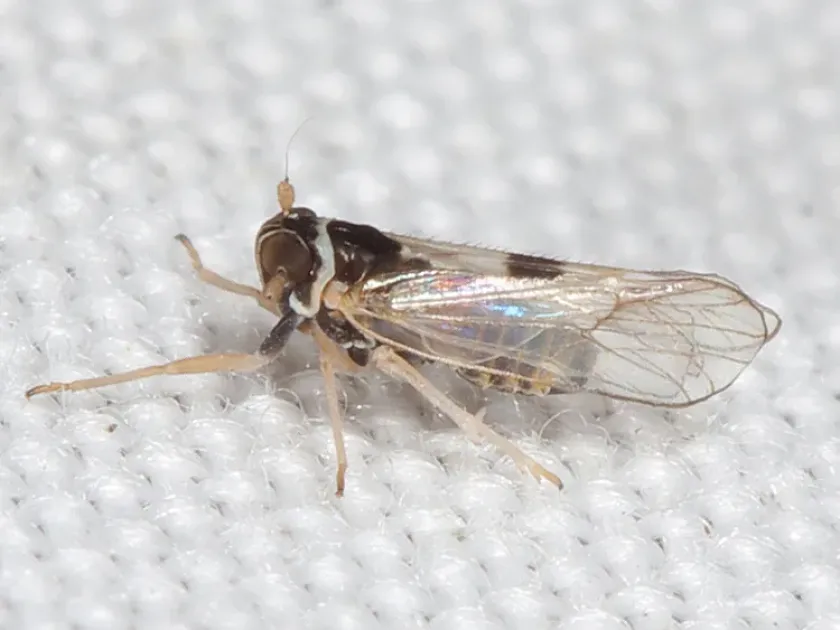
Description
How to identify
Chionomus haywardi belongs to the family of grass flies (Diptera order). These insects are typically small, and their adult forms are often overlooked in field environments due to their cryptic behavior and subtle coloration.
Taxonomic identification of this species is complex and generally requires the dissection of male genitalia for microscopic analysis, as external features overlap with several related species of leaf miners.
Adult flies are primarily active during dawn and dusk, seeking shelter in the thick vegetation of the grain canopy where humidity levels are optimal for their survival and reproductive activity.
The larvae are specialized, legless entities adapted for mining into the stems of their host plants. Their mouthparts are designed to scrape the internal cellular tissues of grass stems efficiently.
This species is highly adapted to the environmental conditions found in typical cereal-producing regions, which allows it to maintain a stable, albeit sometimes hidden, population.
What it damages
The host range of Chionomus haywardi is primarily restricted to the Poaceae family. Key agricultural crops affected include wheat, barley, rye, and occasionally wild grasses in adjacent areas.
The larvae cause direct damage by feeding on the internal tissues of the stem. By creating tunnels within the central axis, they disrupt the plant's vascular system, hindering the transport of water and nutrients.
Damage is most severe during the early developmental stages of the grain, specifically during tillering and stem elongation. This interference leads to significant physiological stress in the crop.
Impacts include localized yellowing, stunted growth of the main shoot, and in extreme cases, the death of the stem. This reduces the number of fertile tillers per square meter and ultimately lowers grain yield.
Furthermore, the tunnels created by the larvae serve as entry points for various phytopathogenic fungi and bacteria, which can cause secondary infections, further degrading crop health and quality.
When it appears
The life cycle of Chionomus haywardi is synchronized with the phenology of cereal crops. Overwintering populations emerge as adults with the arrival of warmer spring temperatures.
Females deposit eggs directly onto the surface of leaf sheaths or leaves of the young grain plants. The larvae hatch and quickly bore into the stem, where they feed throughout their developmental stages.
Environmental variables such as temperature and precipitation significantly influence the speed of the life cycle. Warmer conditions often lead to shorter developmental times and increased population density.
Pupation occurs within the stem or the top layer of soil, depending on environmental moisture levels. This allows the insect to endure various climatic stressors throughout the year.
In many regions, the species can complete multiple generations per season, which makes monitoring essential from the early spring emergence through the vegetative growth stages.
Signs of infestation
The most diagnostic sign of infestation is the yellowing and wilting of the central leaf of the cereal shoot, often referred to as "dead heart" symptom, indicating that the stem's internal tissues are compromised.
Closer inspection of the stem reveals entry holes where the larva bored into the tissue. The presence of these entry points is usually accompanied by localized discoloration or brownish spots on the stem sheath.
Field-level observations often show scattered patches of stunted, discolored plants. These patches do not reach the same height as healthy plants and exhibit reduced biomass production.
By splitting the stem longitudinally, one can observe internal channels filled with larval frass. This confirmed evidence of mining activity is a definitive indicator of the pest's presence.
- Yellowing and wilting of the central leaf (dead heart).
- Entry holes on the stem or leaf sheath.
- Internal stem tunnels containing larval excrement.
- Uneven plant height across the crop field.
Control measures
Crop rotation is the most effective cultural practice to manage Chionomus haywardi populations. Avoiding monocultures or the continuous planting of cereal crops significantly disrupts the pest's life cycle.
Deep autumn plowing of crop residues is recommended to bury overwintering pupae, effectively preventing the successful emergence of the following spring generation.
Chemical control focuses on the application of systemic insecticides during the peak flight period of the adults, targeting them before they can successfully lay eggs on the crops.
Managing weeds along field borders is crucial, as wild grasses often act as an alternative host and bridge for the pest during periods when the primary crop is absent.
Integrated Pest Management (IPM) strategies, including the use of yellow sticky traps to monitor population spikes, allow farmers to make timely decisions about the application of protective treatments.
Taxonomy
- Latin name
- Chionomus haywardi
- Order
- Hemiptera (bugs, aphids, leafhoppers)
- Family
- Delphacidae
- EPPO code
- CHNMHA
Discussion
No discussions yet — be the first.