
Chionomus
Chionomus
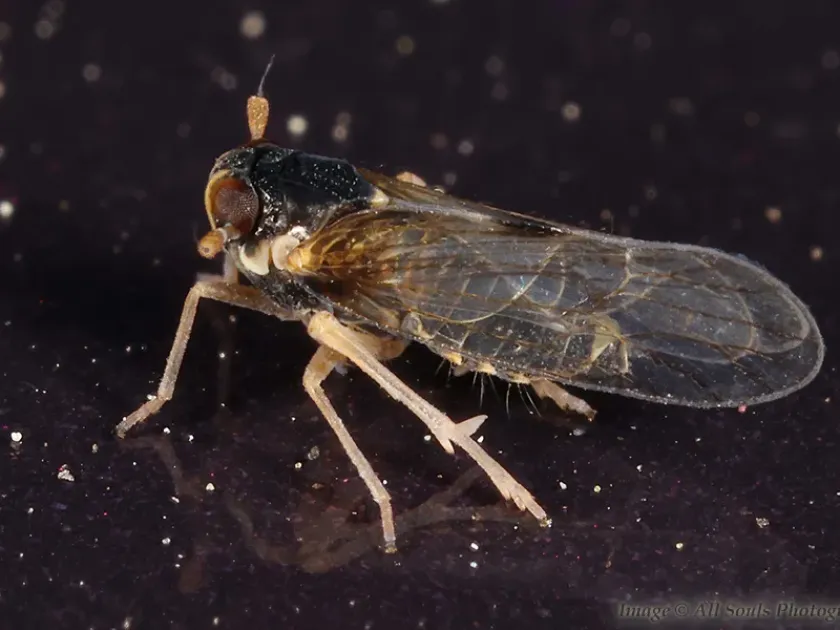
Description
How to identify
Chionomus is a genus of insects belonging to the Curculionidae family within the order Coleoptera. These beetles are characterized by a specific rostrum structure and cryptic coloration, which often allows them to blend seamlessly into the soil or plant debris.
Morphologically, these beetles possess a robust exoskeleton covered in scales, providing protection against environmental fluctuations. Larvae are typically legless, white or creamy in color, and adapted to feeding within plant tissues or the soil-root zone.
The life cycle of Chionomus is highly synchronized with the phenology of host plants. Depending on the geographical region, they may complete one or two generations per year, typically overwintering as adults in protected areas.
Field identification can be challenging due to their resemblance to other weevil species. Accurate diagnosis often requires microscopic examination or the use of specialized traps to capture adult specimens.
Understanding their developmental biology is essential for agronomists to set up effective monitoring programs and predict the periods when these pests are most vulnerable to control measures.
What it damages
Chionomus species primarily affect cereal crops, including wheat, barley, and rye, but may also utilize various wild grasses as secondary hosts.
Adult beetles cause damage to foliage by feeding on the leaf margins, creating characteristic notches or holes that reduce the photosynthetic capacity of the plant.
The larvae are particularly damaging, as they often bore into the stems or root systems of cereals, disrupting the vascular flow and causing plant wilting and stunted development.
Heavy infestations can lead to significant yield losses and lower grain quality, as damaged plants become susceptible to secondary infections and lodging under environmental stress.
Damage tends to occur in patches, which can spread rapidly throughout a field if environmental conditions remain favorable for the pest's reproduction.
##signs##The primary sign of infestation is the presence of irregular feeding patterns on the leaves, where adult beetles have consumed the tissue, leaving behind jagged edges.
Yellowing of the central shoot or premature plant wilting is a classic indication that larvae are feeding internally within the stem, restricting nutrient transport.
During surveys, one may find adult beetles hiding at the base of the stalks or in the leaf sheaths during the heat of the day, when they are least active.
Field patches with sparse vegetation or stunted growth often reveal the presence of Chionomus colonies upon closer inspection of the soil or stem cross-sections.
The presence of predators, such as carabid beetles or birds, foraging in specific areas of the field can sometimes serve as a biological indicator of an underlying pest population.
Control measures
Integrated pest management strategies are crucial for controlling Chionomus, with crop rotation serving as the foundation of preventative measures to break the insect's life cycle.
Deep autumn plowing is highly effective as it disrupts the overwintering sites, exposing larvae and adults to natural predators and harsh climatic conditions.
Maintaining clean fields by eliminating grass weeds, which act as alternative hosts, is critical to preventing the migration of pests into cash crops.
When the economic threshold is exceeded, the application of systemic insecticides is recommended to ensure both contact and ingestion efficacy against the mobile stages of the pest.
- Monitoring populations with yellow sticky traps during the peak activity season.
- Selecting high-vigor cultivars that can better withstand early-stage damage.
- Applying biological control agents, such as entomopathogenic fungi, where appropriate.
Taxonomy
- Latin name
- Chionomus
- Order
- Hemiptera (bugs, aphids, leafhoppers)
- Family
- Delphacidae
- EPPO code
- CHNMSP
Discussion
No discussions yet — be the first.