
Asiraca
Asiraca
Description
How to identify
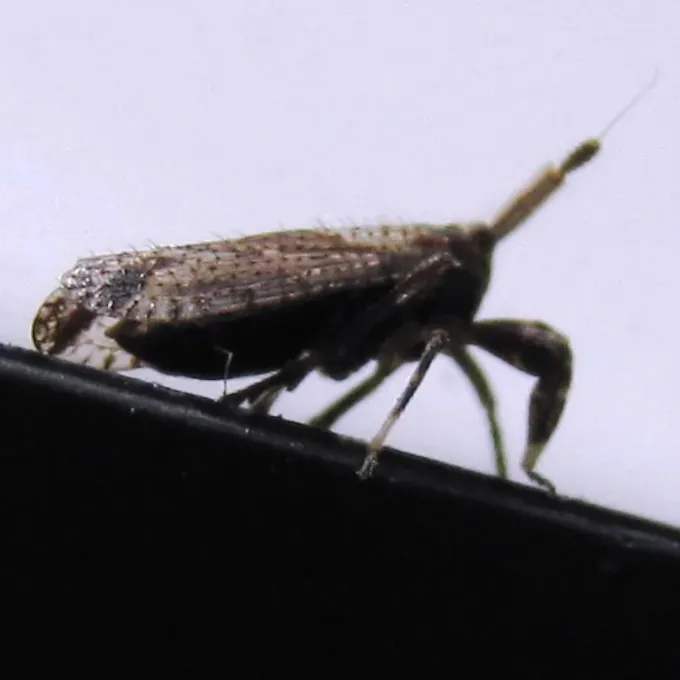
Asiraca is a genus of insects belonging to the Delphacidae family within the Hemiptera order, commonly known as planthoppers.
These insects are characterized by a distinct morphological feature: a specific process on the front tibiae, which aids in their locomotion and identification.
Adults typically measure between 3 to 5 millimeters in length, presenting a brownish to grayish coloration that serves as effective camouflage.
The species exhibits wing polymorphism, meaning populations may include both macropterous (fully winged) and brachypterous (short-winged) individuals.
Nymphs resemble smaller versions of the adults but lack functional wings, and they are usually found in the protected microenvironment near the plant base.
What it damages
Asiraca predominantly targets cereal crops, including wheat, barley, rye, and oats, as well as various wild grasses that serve as hosts.
The damage is caused by both nymphs and adults feeding on the phloem sap of the plants, which depletes essential nutrients and disrupts physiological processes.
Beyond direct feeding damage, these planthoppers are known vectors for several plant pathogens that can lead to systemic infections.
Feeding activities often result in stunted growth, chlorosis, and general weakness, making the crop more susceptible to environmental stressors.
In cases of high infestation, significant yield losses are observed due to reduced grain filling and poor development of the ear.
When it appears
The development and activity of Asiraca are heavily influenced by ambient temperature and the availability of suitable host plants during the season.
The insects typically overwinter as nymphs, finding refuge in the soil, plant debris, or dense tufts of perennial grasses.
With the arrival of spring and rising temperatures, the overwintering nymphs emerge to begin feeding on young cereal seedlings.
The life cycle can span multiple generations in a single season, leading to potential population explosions if conditions remain favorable.
Peak activity periods usually coincide with the tillering and stem elongation phases of grain crops, which are the most critical times for damage.
Signs of infestation
Initial signs of infestation appear as small chlorotic spots on leaves, which occur where the insects have pierced the plant tissue to feed.
Careful examination of the underside of leaves or the base of the plant often reveals active nymphs that are quick to move when disturbed.
The plants may exhibit signs of curling, deformation, and stunted height, creating patches of uneven development across the field.
As the feeding damage progresses, the leaves may turn yellow and eventually wither, leading to a general decline in plant vitality.
Reduced vigor in the field is a clear indicator that a pest population is suppressing the growth and development of the cereal crop.
Control measures
Effective management of Asiraca relies on integrated pest management practices that prioritize cultural control methods.
- Rigorous weed control in and around fields to eliminate alternate host reservoirs.
- Deep plowing or soil cultivation after harvest to destroy overwintering sites for the nymphs.
- Adjusting planting dates to ensure that susceptible crop stages do not coincide with the insect's peak activity.
When infestation levels surpass the economic injury threshold, the application of systemic insecticides may be necessary.
All chemical applications must be strictly regulated to minimize harm to non-target organisms and natural predators in the ecosystem.
Taxonomy
- Latin name
- Asiraca
- Order
- Hemiptera (bugs, aphids, leafhoppers)
- Family
- Delphacidae
- EPPO code
- ASIRSP
Discussion
No discussions yet — be the first.