
Roman mole
Talpa romana
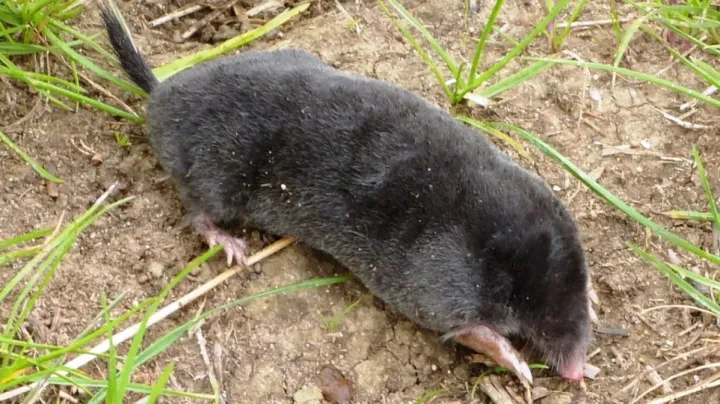
Description
How to identify
The Roman mole (Talpa romana) is a small insectivorous mammal belonging to the Talpidae family. It is an endemic species primarily found in the Italian peninsula, adapted to a subterranean life in various soil types.
Physically, it is very similar to the European mole, with a cylindrical body, velvety dark fur, and shovel-like front limbs perfectly suited for digging tunnels. Adults typically measure between 12 and 16 centimeters in length.
This species possesses highly developed sensory systems, particularly smell and touch. Its eyes are significantly reduced, as they are not needed in the dark tunnels, while its snout is equipped with tactile hairs that detect vibrations and prey.
Roman moles are solitary animals that maintain strict territorial boundaries. They are highly territorial and will defend their tunnel networks against intruders, which can lead to significant soil disruption in high-density areas.
They are capable of colonizing various environments, including agricultural fields, meadows, and gardens, provided the soil is rich enough to support a sufficient population of earthworms and larvae for food.
What it damages
The primary agricultural damage caused by the Roman mole is indirect. By tunneling under crops and young trees, it displaces soil and leaves root systems hanging in air pockets, which quickly causes the plants to wither and die.
In nurseries and orchards, these moles can undermine the root balls of young saplings, preventing them from accessing water and nutrients, which often leads to total crop failure for the affected individuals.
For lawns and gardens, the creation of molehills (mounds of soil) is a significant nuisance. These mounds ruin the visual appeal and can smother smaller, low-growing plants in flower beds or vegetable gardens.
Furthermore, the physical damage to roots creates entry points for soil-borne pathogens, including bacteria and fungi, which can lead to root rot and other systemic diseases that further weaken the plant.
Large-scale tunnel systems can disrupt the structure of the soil, causing uneven subsidence and complicating irrigation efforts, as water is often diverted away from the plants into the mole tunnels.
When it appears
The Roman mole is active year-round and does not hibernate. Its metabolic needs require it to hunt for insects, earthworms, and larvae constantly, regardless of the season or external temperatures.
Spring is marked by a surge in activity due to the breeding season. During this time, moles extend their tunnel networks significantly to find mates, resulting in a dramatic increase in fresh molehills on the surface.
During the hot summer months, Roman moles tend to retreat to deeper soil horizons where the temperature is more moderate and the soil retains higher moisture levels, making their presence less obvious above ground.
In autumn, as the ground begins to cool, the mole prepares for winter. It fortifies its nesting chambers and existing food tunnels to ensure stable access to resources when the upper soil layers may be less productive.
Winter activity continues as long as the ground remains unfrozen. The mole will focus on deeper sections of the soil profile to avoid the cold, continuing to feed on dormant larvae and earthworms available underground.
Signs of infestation
The most distinctive sign of a Roman mole presence is the emergence of molehills—distinctive piles of excavated soil pushed up from deep underground tunnels. These piles are typically larger than those of other small burrowers.
Visible ridges or mounds forming lines across lawns indicate shallow foraging tunnels. These are constructed just beneath the surface as the mole hunts for food near the root zone of the grass.
Sudden wilting of healthy plants is a strong indicator of mole activity. If a plant collapses without symptoms of typical pests or diseases, it is often a sign that its roots have been compromised by tunneling.
Soft or sinking patches of soil often occur where old tunnels collapse due to heavy rain or irrigation. These sunken areas can be dangerous for farm machinery and create tripping hazards in garden areas.
An abundance of soil-dwelling invertebrates, such as earthworms and insect larvae, in a specific area serves as a primary attractant for the mole, signaling that the location is prime territory for an infestation.
Control measures
Sonic deterrent devices are a common, non-lethal method of control. By emitting high-frequency vibrations into the soil, they irritate the mole's sensitive nervous system, eventually encouraging it to vacate the area.
Physical barriers are the most effective long-term solution. Installing high-quality mesh or wire fencing at a depth of at least 50-60 centimeters around the perimeter of a garden provides a formidable barrier to mole entry.
Repellents, including granulated products or aromatic oils, can be used to temporarily make the soil environment unappealing. However, these require frequent reapplications to maintain their effectiveness.
For high-density populations, specialized trapping can be employed. This requires technical expertise to correctly identify active main tunnels and set the traps effectively to ensure success and safety.
Proper landscape management, such as consistent soil compaction and maintaining healthy but not overly soft garden beds, can naturally discourage moles from establishing permanent tunnel networks in your cultivated areas.
Taxonomy
- Latin name
- Talpa romana
- Family
- Talpidae
- EPPO code
- TALPRO
Discussion
No discussions yet — be the first.