
Japanese mole
Mogera wogura
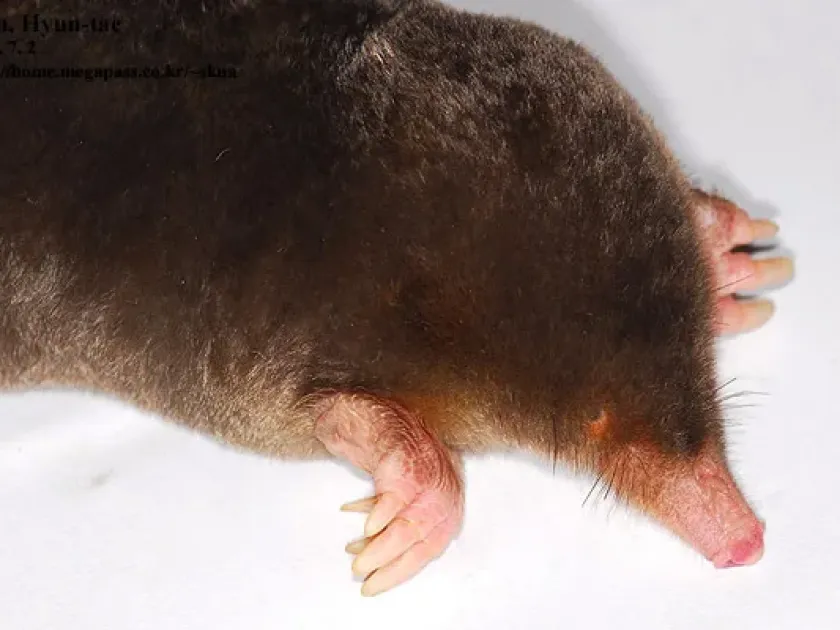
Description
How to identify
The Japanese mole (Mogera wogura) is a mammal belonging to the family Talpidae, specifically adapted for a subterranean existence in East Asian landscapes.
These animals are characterized by their powerful front limbs with large claws, enabling them to tunnel through soil at significant speeds, and a velvety coat that stays clean due to its unique structure.
They occupy complex burrow systems consisting of surface hunting tunnels and deeper residential corridors where they hibernate or rear their young.
Unlike many agricultural pests, they are primarily insectivores, feeding on worms, insect larvae, and other soil invertebrates found within their expansive tunnel networks.
They are generally solitary animals, maintaining strict territorial boundaries, which means a single mole can be responsible for extensive damage across a large garden area.
What it damages
The damage caused by the Japanese mole is primarily structural and mechanical rather than direct consumption of plant matter, as they do not feed on roots.
Tunnels often disrupt the rhizosphere of vegetables, flowers, and fruit trees, leaving roots suspended in air pockets where they quickly desiccate and die.
Young transplants and seedlings are particularly vulnerable, as even a small tunnel collapse can sever their delicate root connections to the nutrient-rich soil.
Root damage serves as an entry point for various soil-borne pathogens, leading to secondary infections and increased mortality rates in high-value vegetable crops.
The continuous turnover of soil, often mixed with rocks or subsoil, can change the moisture retention capacity of the topsoil, negatively affecting crop growth.
Signs of infestation
The most recognizable sign of Japanese mole activity is the presence of molehills, which are piles of soil excavated from tunnels and pushed to the surface.
Ridges or raised soil lines on lawns and garden beds indicate the presence of shallow, freshly constructed hunting tunnels just below the surface.
Premature wilting of healthy plants despite adequate irrigation suggests that the root system has been undermined or cut off from the lower soil moisture layers.
Sudden localized subsidence or hollow sounds under foot indicate that deep tunnels have created significant voids underneath the ground surface.
Increased soil instability and the collapse of small garden infrastructure or raised bed edges often correlate with active tunnel maintenance by the mole.
Control measures
Installing physical barriers such as galvanized wire mesh buried at a depth of 50-60 cm is the most effective way to protect individual garden beds from entry.
Ultrasonic pulse devices can be used to deter moles; however, these must be moved periodically to prevent the animal from becoming accustomed to the disturbance.
Regular cultivation and mechanical disruption of surface tunnels can discourage the mole from establishing a permanent residency in specific garden zones.
Planting aromatic bulbs like Crown Imperial (Fritillaria imperialis) or specific herbs may act as a mild deterrent, although they rarely provide total protection.
- Deployment of humane live-traps in active tunnel segments.
- Application of castor oil-based repellents to the soil surface.
- Maintaining well-drained soil to reduce the population of prey insects.
- Ensuring fence foundations are deep enough to obstruct underground movement.
Taxonomy
- Latin name
- Mogera wogura
- Family
- Talpidae
- EPPO code
- MOGEWO
Discussion
No discussions yet — be the first.