
Star-nosed mole
Condylura
Description
How to identify
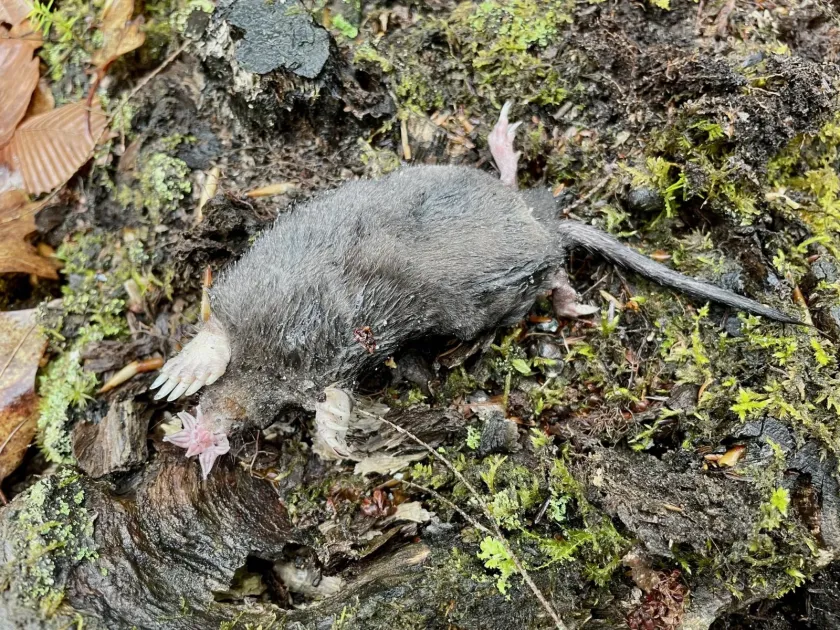
The Star-nosed mole (Condylura cristata) is a small semi-aquatic mammal belonging to the Talpidae family.
It is easily recognized by its unique nose, which features 22 pink, fleshy tentacles used as high-speed touch organs.
The body is covered with dense, water-repellent dark fur, and it possesses long, powerful front claws designed for rapid digging.
It typically inhabits wet, low-lying areas, stream banks, and marshy soils where it finds its prey.
The species is active day and night throughout the year, as it does not hibernate during the winter months.
What it damages
The Star-nosed mole is not a herbivore; it feeds exclusively on insects, earthworms, and aquatic invertebrates.
It causes no direct feeding damage to the crops, but its tunneling activities disrupt the soil structure significantly.
By creating underground passages, it damages the root systems of delicate seedlings and small garden plants.
The soil mounds (molehills) created during tunneling ruin the aesthetics and surface quality of lawns and flower beds.
Plants affected by tunneling often suffer from dehydration because the roots lose contact with the surrounding moist soil.
When it appears
Activity persists throughout the year, regardless of seasonal changes or ambient temperature.
In spring, snowmelt triggers intense tunneling as the animal searches for early-season food sources.
During the summer, the mole tends to concentrate its activities in shaded, damp areas near ponds or creeks.
Autumn brings increased soil excavation as the animal expands its tunnel network in preparation for winter feeding.
Winter activity continues beneath the frost line or under snow cover, where the soil remains relatively warm and accessible.
Signs of infestation
Presence is typically marked by raised ridges on the soil surface or lawn, indicating shallow hunting tunnels.
The accumulation of soil mounds is a standard sign of the animal's excavation efforts near the surface.
Sudden plant wilting is a critical indicator that the root zone has been undermined by subterranean activity.
Small, circular tunnel entrances near water sources are often indicative of a Star-nosed mole colony.
Visual confirmation is rare due to their nocturnal and secretive nature, making signs of ground disruption the primary indicator.
Control measures
Integrated management is recommended, focusing on exclusion rather than eradication, as they are beneficial insectivores.
Installing underground hardware cloth or wire mesh is the most effective permanent barrier for protecting gardens and lawns.
Vibrational or sonic repellent stakes can create uncomfortable environments, encouraging moles to relocate.
Applying castor oil-based repellents in the tunnels can serve as a natural deterrent, making the area less attractive to them.
- Underground mesh fencing
- Sonic and vibrational deterrents
- Natural oil-based repellents
- Maintaining well-drained soil to reduce prey abundance
Taxonomy
- Latin name
- Condylura
- Family
- Talpidae
- EPPO code
- CNDYSP
Discussion
No discussions yet — be the first.