
Mogera
Mogera
Description
How to identify
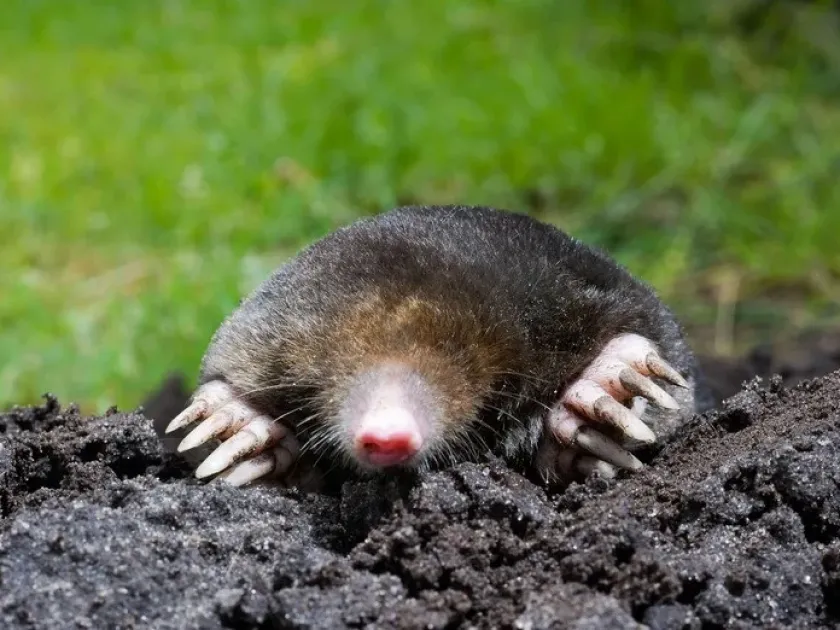
Mogera is a genus of moles belonging to the family Talpidae, native to East Asia. These animals are highly adapted to a fossorial lifestyle, characterized by their robust bodies, powerful front limbs with spade-like claws, and specialized sensory organs.
Typically ranging from 12 to 18 cm in length, they possess dense, velvet-like fur that can move in any direction, preventing soil from sticking to their coat while navigating tight tunnels. They lack external ears and have tiny, vestigial eyes protected by skin.
Mogera species are predominantly solitary and strictly territorial. They construct complex three-dimensional tunnel networks that include deep hunting tunnels and shallower surface runs, which are essential for their metabolic needs.
Their life cycle is synchronized with soil conditions and food availability. Breeding occurs in spring, with litters born in underground nests lined with dried vegetation, allowing the young to mature rapidly and colonize adjacent areas.
These creatures are incredibly energetic, capable of displacing large volumes of soil in a single day. Their metabolism is extremely high, requiring them to consume quantities of prey equivalent to their own body weight daily.
What it damages
While Mogera are insectivores primarily feeding on earthworms and grubs, they cause severe damage to agricultural production through their burrowing activities. The primary damage is the physical severing of plant root systems.
When roots are left suspended in the air within a tunnel, they dehydrate rapidly, leading to the sudden death of seedlings and stunted growth in mature crops. Vegetables like carrots, potatoes, and beets are particularly vulnerable to these voids.
Soil structure disruption is another critical issue. The tunnels create air pockets that interrupt capillary water movement in the soil, causing localized drought conditions for plants even when the surface soil appears moist.
Root damage serves as an entry point for various soil-borne pathogens. By wounding the root zone, the animal facilitates the spread of fungal and bacterial infections that can decimate an entire crop if not managed quickly.
In addition to direct plant harm, Mogera destroys beneficial soil fauna. By consuming massive numbers of earthworms, they significantly reduce natural soil aeration and nutrient cycling processes, lowering the overall soil fertility.
Signs of infestation
The most recognizable sign is the presence of molehills. These are piles of loose soil pushed to the surface by the animal during the excavation of deep tunnels, often appearing in clusters along the garden or lawn.
Raised, ridged lines on the surface of the soil indicate shallow surface tunnels. These are especially prominent after irrigation or heavy rain, as the ground becomes soft and the animal moves closer to the surface.
Sudden wilting of healthy plants is a primary diagnostic symptom. If a plant can be pulled from the ground with no resistance or if the soil around it is hollow, it is a clear indication that a tunnel has been excavated beneath the roots.
Localized soil subsidence is another sign. Over time, as tunnels collapse or dry out, the soil above them may sink, creating irregular trenches or depressions that follow the path of the original tunnel system.
A decline in earthworm activity in a specific patch of land often precedes the arrival of a mole. Since the animal consumes its prey systematically, a sudden lack of worms in a previously healthy area suggests recent hunting activity.
Control measures
Physical barriers are the most reliable long-term solution. Burying galvanized steel mesh or heavy-duty plastic fencing around the perimeter of garden beds to a depth of at least 60 cm prevents the animal from entering.
Ultrasonic vibration devices can be used to deter Mogera, though their effectiveness is often temporary. These devices should be moved periodically to prevent the pest from adapting to a consistent, predictable noise pattern.
Cultural practices involve minimizing the food supply. Maintaining a garden with low populations of soil larvae and grubs makes the area less attractive to moles, encouraging them to migrate to more resource-rich zones.
Repellents, such as castor oil-based sprays or the planting of barrier crops like Euphorbia, may provide limited protection. However, these are best used as complementary methods alongside more robust physical exclusion techniques.
Trapping is an option for high-infestation areas but requires precision. Traps must be handled with gloves rubbed in soil to mask human scent, as Mogera possesses a highly acute sense of smell and will avoid traps that carry foreign odors.
Taxonomy
- Latin name
- Mogera
- Family
- Talpidae
- EPPO code
- MOGESP
Discussion
No discussions yet — be the first.