
Tachycixius venustulus
Tachycixius venustulus
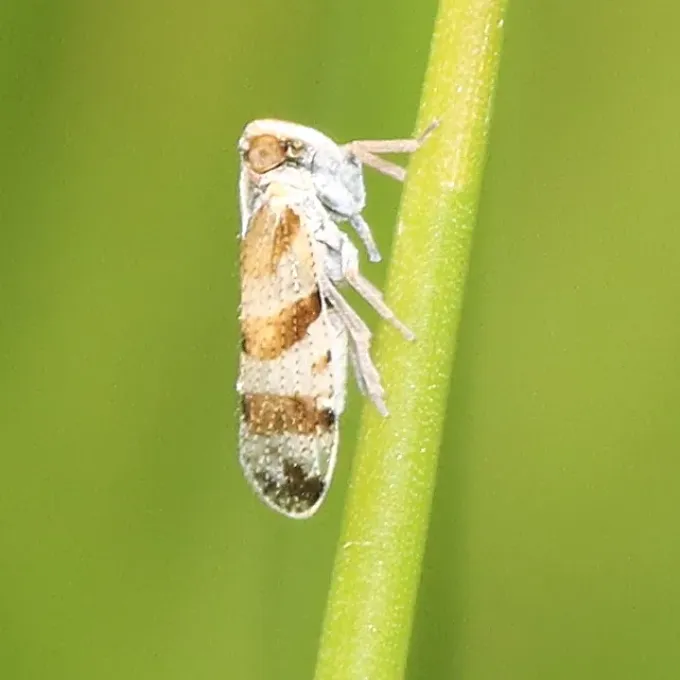
Description
How to identify
Tachycixius venustulus belongs to the Cixiidae family within the order Hemiptera. These are small insects, often classified among the planthoppers, known for their sap-sucking feeding habits on various plants.
Adult specimens typically possess a piercing-sucking mouthpart designed for feeding on plant fluids. Their coloration usually allows them to blend into the bark or foliage, providing natural camouflage against predators.
The larvae of this species lead a secretive lifestyle, often inhabiting the soil or the root zone of host plants. They progress through several nymphal stages before reaching the adult stage.
Accurate identification of this species is complex and usually requires specialist knowledge of their morphological characteristics, particularly the structure of their genitalia, to distinguish them from other closely related planthoppers.
These insects prefer moderate temperatures and specific humidity levels, which determine their activity patterns during the growing season. Adults are capable of active flight, which aids in their rapid spread across agricultural landscapes.
What it damages
The primary hosts for this pest include grapevines and various field crops. The insect shows a preference for specific types of vegetation, affecting the health of both ornamental and agricultural plants.
Damage is caused by adults piercing the plant epidermis to feed on phloem sap. This feeding process results in the removal of essential nutrients, leading to stunted growth and weakened plant vigor.
The saliva injected by the insect during feeding can cause tissue deformation, chlorosis, and the curling of leaves. Such damage significantly reduces both the quality and quantity of the harvest.
Furthermore, Tachycixius venustulus is recognized as a potential vector for phytoplasma and viral diseases. These pathogens often cause severe systemic issues, resulting in more economic damage than the direct feeding itself.
The impact is most noticeable during peak infestation periods when population densities exceed the economic threshold, requiring prompt agricultural intervention to prevent crop failure.
When it appears
The adult activity period typically begins in late spring and persists throughout the summer months. During this time, insects are most active in feeding and mating on host plants.
The insect's life cycle is closely linked to climatic conditions and soil temperatures. The hatching of nymphs is synchronized with the onset of the plant's active growing phase, providing immediate access to food.
Developmental progress may include one or more generations per year depending on the local climate. Autumn marks the gradual decline in activity as insects migrate to overwintering sites.
Proper field management before and after the season is critical for reducing the overwintering population. Keeping records of insect presence helps agronomists predict outbreaks in subsequent years.
Monitoring using yellow sticky traps is a standard practice to determine the specific timeframe for pest appearance, enabling the precise timing of control measures.
Signs of infestation
Initial signs of infestation include the yellowing of leaf margins and the appearance of irregular spotting on foliage, which can be mistaken for nutrient deficiencies.
The insects themselves can often be detected by inspecting the undersides of leaves or by observing them flying away when branches or stems are disturbed.
Honeydew secretion is another common sign, which often leads to the growth of sooty mold on leaf surfaces, reducing the plant's photosynthetic efficiency and overall aesthetic value.
In cases where the insect transmits phytoplasma diseases, symptoms such as shortened internodes, witches' broom appearance, and premature leaf drop may become apparent.
Larval presence in the soil can be confirmed by careful excavation around the root base of affected plants during early spring, identifying the nymphs residing in the rhizosphere.
Control measures
Control strategies primarily involve the use of systemic insecticides, which are absorbed by the plant and effectively target sap-sucking insects during their feeding process.
Cultural control practices, such as weed management, are essential as they eliminate alternative host plants and reduce the overall attractiveness of the field to the pest.
Maintaining proper spacing and ensuring robust plant health can help mitigate the impact of infestations. Removing crop debris post-harvest reduces available overwintering niches for the next season.
Biological control involves fostering natural predators, such as spiders and predatory beetles, which can significantly regulate the population of Tachycixius venustulus in sustainable agricultural systems.
The use of pheromone and monitoring traps is highly recommended to detect early arrival and to minimize the need for blanket chemical applications, focusing control only where it is necessary.
Taxonomy
- Latin name
- Tachycixius venustulus
- Order
- Hemiptera (bugs, aphids, leafhoppers)
- Family
- Cixiidae
- EPPO code
- TACXVE
Discussion
No discussions yet — be the first.