
Tachycixius pilosus
Tachycixius pilosus
Description
How to identify
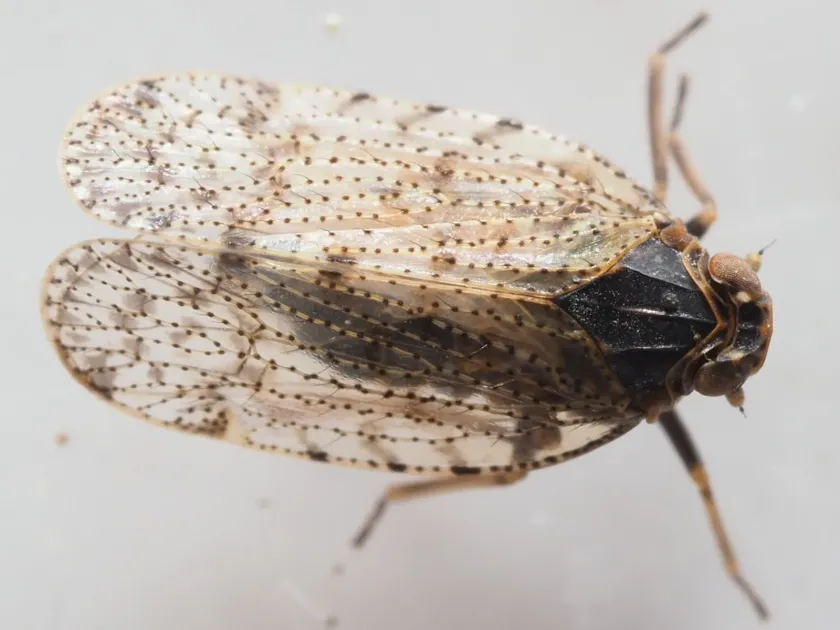
Tachycixius pilosus is a species of planthopper in the family Cixiidae. This insect is relatively small, measuring about 5–7 mm in length, and is characterized by a distinctive hairy covering on its body, which is the origin of its specific name.
The adults typically have a greyish-brown coloration, which serves as excellent camouflage against the bark of vines. Their wings are transparent with prominent venation and are held in a roof-like position over the body when at rest.
The nymphs of this species are subterranean, living within the soil. They feature a pale, flattened body and possess specialized piercing-sucking mouthparts designed to feed on the sap of plant roots.
The insects overwinter primarily as nymphs in the soil or within the root zone of perennial plants. The adult stage becomes active in the spring and summer, favoring shaded areas of the vineyard.
While native to various environments, the species can become a significant pest in commercial viticulture when monoculture conditions allow for a rapid increase in population density.
What it damages
The primary host for Tachycixius pilosus is the cultivated grapevine. However, the insect may also utilize various weeds and wild shrubs surrounding the vineyard as alternative food sources.
By feeding on the root system, the nymphs weaken the vines, which leads to reduced vitality and decreased tolerance to environmental stressors such as frost and extreme summer drought.
Adults feed on the sap of shoots and leaves. During the feeding process, they inject enzymes into the plant tissue, which causes localized necrosis, inhibits growth, and degrades the overall quality of the vine.
The most critical danger posed by this pest is its role as a vector for phytoplasma diseases. As the leafhopper feeds, it transmits pathogens from infected vines to healthy ones, facilitating the spread of infection.
Mass infestations often result in severe symptoms of "yellows," where vines cease to produce fruit, lose their vigor, and may eventually die over a period of a few growing seasons.
When it appears
The life cycle of Tachycixius pilosus is heavily influenced by soil temperature and local weather conditions. Nymphs emerge from their overwintering sites in the soil during the spring as temperatures rise.
Mass emergence of adults typically occurs from late May through June, coinciding with the rapid growth of new vine shoots. This timeframe is crucial for implementing effective pest control strategies.
During the summer months, mating and oviposition take place, with eggs laid in the topsoil or deep within the bark crevices at the base of the vines. Usually, one generation is completed per year.
As autumn approaches and temperatures drop, adult activity ceases. Younger nymphs burrow deeper into the soil to escape the cold, where they continue to feed on fine roots throughout the winter months.
Years with mild winters and warm springs significantly improve nymph survival rates, leading to higher population numbers in the subsequent growing season and increased damage potential.
Signs of infestation
Early symptoms of infestation often mimic nutrient deficiencies, particularly chlorosis. Leaves show yellowing between the veins, which can eventually progress to cover the entire leaf surface.
Growth of new shoots is significantly stunted, and internodes become visibly shortened. The vine looks generally unhealthy despite adequate irrigation and fertilizer application.
A hallmark sign of phytoplasma infection is the increased brittleness of shoots and poor maturation of the wood by the end of the season. Fruits often remain small, lose sugar content, and drop prematurely.
Careful examination of the lower part of the vine in early summer may reveal adult insects, which typically exhibit a rapid jumping behavior if disturbed or threatened.
- Interveinal chlorosis appearing in mid-summer.
- Stunted growth of new vine shoots.
- Poor wood maturation before the onset of winter.
- Premature shedding of berries and flowers.
Control measures
Managing Tachycixius pilosus requires an integrated approach that combines cultural practices with targeted insecticide applications to minimize population levels.
Maintaining a weed-free vineyard, including the rows and the area directly beneath the vines, is essential as these weeds serve as refuges and secondary hosts for the insects.
Systemic insecticides are the most effective method for controlling the population during the nymph emergence and adult flight periods. Monitoring using yellow sticky traps is recommended for timing these treatments.
Infested vines showing clear symptoms of phytoplasma should be rogued out and destroyed immediately to prevent the disease from spreading to the rest of the vineyard block.
Promoting a healthy environment for natural predators, such as spiders and predatory bugs, can help keep leafhopper populations in check through biological control mechanisms.
Taxonomy
- Latin name
- Tachycixius pilosus
- Order
- Hemiptera (bugs, aphids, leafhoppers)
- Family
- Cixiidae
- EPPO code
- TACXPI
Discussion
No discussions yet — be the first.