
Tachycixius
Tachycixius
Description
How to identify
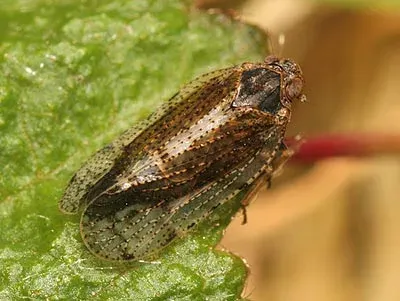
Tachycixius is a genus of insects belonging to the family Cixiidae within the order Hemiptera. These small, jumping insects are closely related to cicadas and leafhoppers.
Adult specimens typically measure between 5 to 8 millimeters in length. Their body coloration ranges from brown to black, providing camouflage against the bark of trees and stems.
The nymphs of this genus primarily inhabit the soil or the rhizosphere area, where they feed on the root systems of various host plants throughout their development.
The morphology of the head and the presence of specific keels on the thorax are defining characteristics that entomologists use to identify this genus under magnification.
Distinguishing specific species often requires careful examination of the male genitalia, as external similarities between related genera can lead to misidentification in the field.
What it damages
Tachycixius species are known to infest a variety of crops, with vineyards being particularly susceptible to their feeding activities and disease transmission.
While the direct sap-sucking damage is physically taxing for the plant, the primary concern for agronomists is their role as vectors for phytoplasma diseases.
Phytoplasmas cause significant metabolic disruptions in plants, leading to symptoms such as stunted growth, leaf yellowing, and malformation of shoots.
The cumulative damage often results in decreased fruit quality, lower yields, and in severe cases, the gradual decline and death of the entire plant or vineyard block.
Because they act as vectors, even a small population of Tachycixius can cause widespread infection across a field if left uncontrolled for an entire season.
When it appears
Adult Tachycixius insects typically emerge in late spring and early summer, correlating with the onset of favorable warm temperatures for their reproductive activity.
The life cycle is generally completed in a year, with the insects spending the cooler months as nymphs in the soil or in sheltered areas of the host plants.
Peak activity periods are usually observed during the warmest parts of the summer when the insects are most mobile and actively searching for new feeding sites.
Monitoring efforts should be focused on these peak periods to ensure that chemical or biological interventions are applied when the population is most vulnerable.
Environmental conditions, such as humidity and rainfall, play a critical role in the survival rate of the nymphs overwintering in the soil.
Signs of infestation
Symptoms of infestation often begin with the yellowing of leaf margins and the general chlorosis of the foliage, which is frequently mistaken for nutrient deficiencies.
Shoots affected by phytoplasmas often show signs of "witches' broom" formation, where numerous weak, stunted shoots sprout from the same node.
Curling leaves and a lack of vigor in young vines are strong indicators that the plant has been colonized by sap-sucking insects capable of disease transmission.
Early morning visual inspections or the use of yellow sticky traps can confirm the presence of adult insects before they cause widespread damage.
- Chlorosis of leaves.
- Stunted shoot growth.
- Witches' broom formation.
- Deformed fruit clusters.
Control measures
Effective management begins with strict weed control, as many wild plants serve as alternative hosts and reservoirs for the phytoplasmas transmitted by this pest.
Systemic insecticides can be applied during the adult flight period to interrupt the transmission cycle of the phytoplasma to healthy crops.
Tilling the soil between rows is a recommended agronomic practice, as it disrupts the soil habitat where nymphs reside and reduces the overall pest pressure.
Heavily infected plants must be removed and destroyed to prevent the further spread of diseases, as curative treatments for phytoplasmas are currently unavailable.
Integrated pest management (IPM) strategies, including the use of pheromone traps and natural predator encouragement, are essential for sustainable long-term control.
Taxonomy
- Latin name
- Tachycixius
- Order
- Hemiptera (bugs, aphids, leafhoppers)
- Family
- Cixiidae
- EPPO code
- TACXSP
Discussion
No discussions yet — be the first.