
Greenhouse camel cricket
Tachycines
Description
How to identify
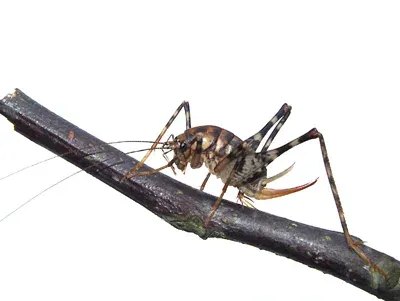
The greenhouse camel cricket (Tachycines asynamorus) belongs to the order Orthoptera and the family Rhaphidophoridae. It is characterized by a humpbacked appearance, long thread-like antennae, and strong hind legs adapted for jumping.
The insect is wingless, with a body color ranging from light brown to dark gray, often featuring darker mottled patterns for camouflage. Adult specimens typically measure between 20 mm and 25 mm in length.
This species is highly dependent on the warm, humid conditions provided by greenhouses, which act as a substitute for its natural sheltered habitats. It is primarily nocturnal, spending daylight hours hidden in dark, moist corners or soil debris.
The life cycle is continuous in heated greenhouses, with females laying eggs in moist soil. The nymphs resemble miniature versions of the adults and develop through several instars before reaching sexual maturity.
Due to its invasive nature, the species has spread globally via trade in ornamental plants and nursery stock, making it a common resident in indoor horticultural environments.
What it damages
As a generalist feeder, the greenhouse camel cricket can damage a wide array of crops. In commercial vegetable production, they often feed on young seedlings, cucumbers, tomatoes, and peppers, causing significant growth delays.
Ornamental plants are also highly susceptible, as the crickets often target the most delicate parts of the plant, such as buds and flowers. This results in severe economic losses for growers of cut flowers or potted plants.
Beyond leaf consumption, these pests can chew through the stems of young plants, potentially girdling them and leading to plant death. High population densities can lead to rapid defoliation of greenhouse crops.
Because they feed at night, damage is often detected after the fact. The wounds inflicted by their chewing mouthparts are jagged and irregular, which can easily be distinguished from the damage caused by other pests.
Furthermore, the physical wounds serve as entry points for pathogens, increasing the likelihood of secondary infections such as bacterial rots or fungal blights on the damaged tissue.
Signs of infestation
The most prominent sign of a cricket infestation is the presence of large, irregular holes in leaves, often resulting in skeletonized foliage. Unlike caterpillars, which may feed in a patterned way, crickets feed more haphazardly.
Small, dark fecal droppings found on the soil surface or around the base of the plant are reliable indicators of their presence. Since they are nocturnal, they are rarely seen during the day unless their hiding spots are disturbed.
Look for chewed flower buds or floral parts; this is a common occurrence in infested greenhouses. Nighttime inspections with a flashlight can reveal the pests, as they are sensitive to light and will jump away immediately.
Their presence is often more noticeable in dense crop stands where the humidity remains high and soil surfaces are shaded. Check under pots, benches, and irrigation lines for hidden adults.
Distinguishing their damage from slug damage is simple: if there are no iridescent mucus trails on the leaves or soil, the culprit is likely a cricket rather than a gastropod.
Control measures
Sanitation is the first line of defense. Removing leaf litter, weeds, and debris from the greenhouse floor eliminates essential daytime hiding spots for the crickets, making the environment less hospitable.
Quarantine incoming plant material from other nurseries, as eggs or nymphs are often transported within the soil or the base of potted plants. Inspect all new arrivals carefully before placing them in the main production area.
Physical control measures include the use of sticky traps placed near the ground or under benches. In small operations, manual collection at night using a light is an effective way to suppress low-level populations.
Biological control options, such as using entomopathogenic fungi or nematodes that target soil-dwelling stages, can be integrated into an IPM strategy. Chemical insecticides should be reserved for severe infestations.
- Maintain a clean and clutter-free greenhouse floor.
- Inspect all new plants for signs of infestation.
- Utilize sticky traps for monitoring and control.
- Apply biological controls for larvae in the soil.
Taxonomy
- Latin name
- Tachycines
- Order
- Orthoptera (locusts)
- Family
- Rhaphidophoridae
- EPPO code
- TACHSP
Discussion
No discussions yet — be the first.