
Autumn horsefly
Tabanus autumnalis
Description
How to identify
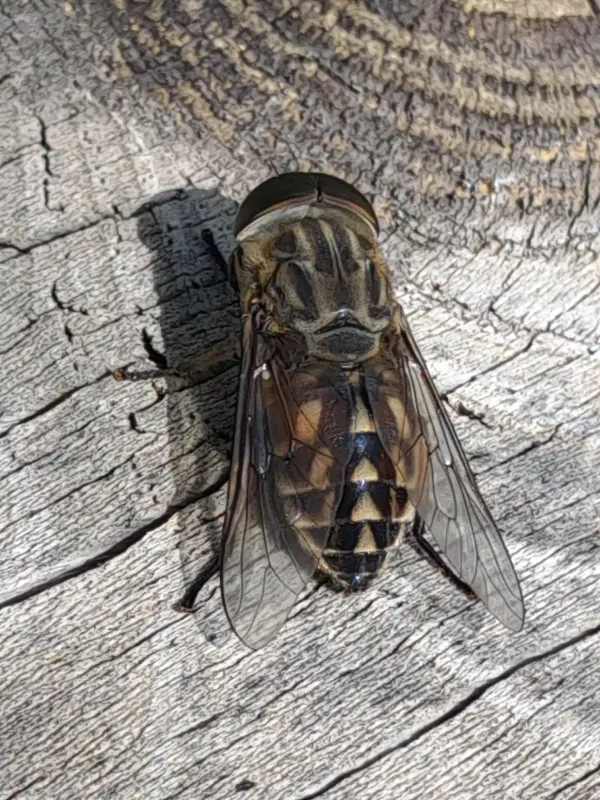
The autumn horsefly (Tabanus autumnalis) is a large fly belonging to the family Tabanidae. It is characterized by a robust body, powerful wings, and complex mouthparts capable of piercing animal skin.
Adult females possess large, multi-colored compound eyes that enable efficient navigation and identification of potential hosts, such as cattle and horses. Males do not feed on blood and primarily consume nectar.
The morphology of these insects includes a hairy thorax and abdomen, often brownish-grey in color, which helps them blend into their natural habitat environments near water bodies.
Larvae of this species thrive in moist soil, marshes, or near the edges of ponds. They are predatory in nature, feeding on various small invertebrates found in their humid surroundings.
The life cycle of the horsefly typically spans one or two years, depending heavily on the temperature and the availability of resources for the larval stages to mature.
What it damages
The primary economic impact of the autumn horsefly is the significant distress caused to livestock, which directly leads to reduced agricultural productivity.
Bites are extremely painful because the insect injects saliva containing anticoagulants to prevent blood clotting, leading to swelling, inflammation, and potential skin infections.
Livestock constantly bothered by swarms of horseflies experience severe stress, reduced grazing time, and increased energy expenditure, resulting in lower milk yield and weight gain.
These flies are known as mechanical vectors for several serious pathogens, including equine infectious anemia, tularemia, and anthrax, posing a health risk to herds.
Defensive behavior in herds, such as bunching together, leads to a higher risk of physical injuries, heat stress, and the spread of contagious skin diseases within the group.
When it appears
The adult flight season for the autumn horsefly starts in late spring and continues through the summer, typically peaking during the hottest months of the year.
They are most active on sunny, calm days with low wind speeds and temperatures between 20 and 30 degrees Celsius, which are optimal for their flight and hunting.
During rainy or overcast weather, the activity level drops significantly as the flies seek shelter within dense vegetation or shade to protect themselves.
Female activity is generally highest during midday hours, which unfortunately coincides with the peak grazing period for many livestock animals on open pastures.
The population numbers gradually decline towards the end of August and September, signaling the conclusion of the insect's main reproduction phase.
Control measures
Controlling the autumn horsefly requires a combination of animal protection strategies and habitat modification to reduce the overall insect population in the area.
- Regular application of approved insect repellents or pyrethroid-based sprays to livestock coats.
- Implementation of specialized visual or heat-attraction traps designed to capture flies in pasture areas.
- Environmental management including draining stagnant water pools and clearing overgrown pond banks where larvae develop.
- Utilizing indoor housing or shelters for animals during peak fly activity hours to minimize exposure.
- Encouraging the presence of natural predators, such as insectivorous birds and parasitic wasps, to help keep populations in check.
A proactive integrated pest management strategy focusing on both protecting the individual animal and managing the pasture landscape is the most effective approach.
Taxonomy
- Latin name
- Tabanus autumnalis
- Order
- Diptera (flies)
- Family
- Tabanidae
- EPPO code
- TABAAU
Discussion
No discussions yet — be the first.