
Turtle doves
Streptopelia
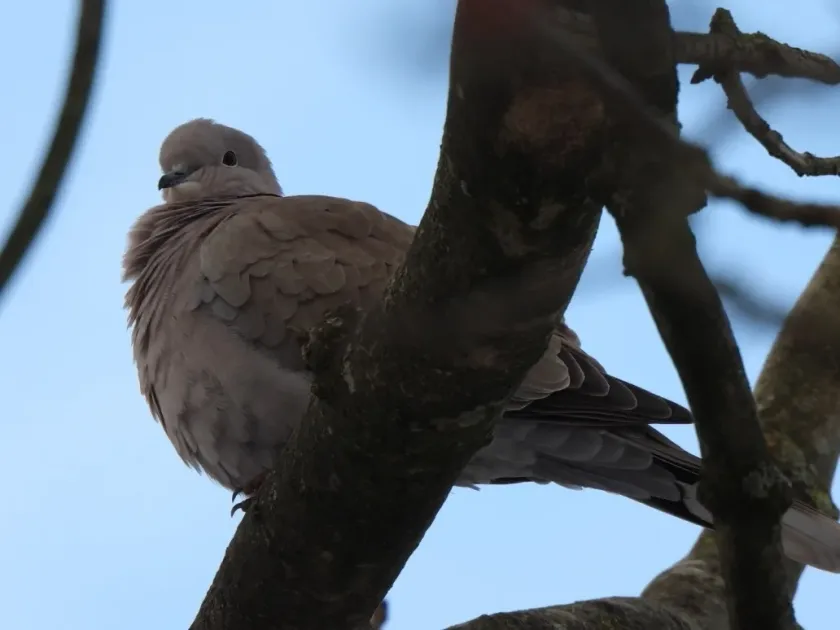
Description
How to identify
Turtle doves (genus Streptopelia) belong to the order Columbiformes and the family Columbidae. These are medium-sized birds characterized by brownish-gray plumage often with a subtle pink tint.
They resemble common pigeons but have a more slender body shape, a longer tail, and a distinctive semi-collar pattern on the neck, which is a trademark of most species in this genus.
The biology of these birds is marked by a high adaptability to human-altered landscapes, allowing them to utilize agricultural lands as their primary foraging grounds effectively.
Breeding occurs during the spring and summer, with pairs often raising multiple broods per season, which sustains high population densities in agricultural regions.
Turtle doves possess excellent vision and a cautious temperament, making them difficult to approach and capable of fleeing rapidly at the slightest sign of danger.
What it damages
Key crops targeted by turtle doves include small grains like wheat, barley, and oats, as well as sunflowers, especially during the seed germination and ripening phases.
Early in the season, turtle doves aggressively feed on sown seeds, causing thin stands, reduced crop density, and ultimately, a significant decline in final yields.
During the dough and maturation stages, the birds damage grain ears and sunflower heads, pecking out seeds and exposing the plant tissues to fungal and bacterial pathogens.
Cases of damage to vegetable and melon crops are also recorded during dry periods, as the birds seek succulent plant parts to compensate for water shortages.
The damage is compounded by the fact that flocks can consist of hundreds of individuals, capable of inflicting severe losses over large agricultural areas very quickly.
When it appears
The most critical period for turtle dove activity in fields is early spring, which coincides with the planting season when seeds are shallowly buried in the soil.
A second peak of damage occurs during the grain filling and maturation stages, when the crop becomes an easily accessible food resource for the growing bird population.
During dry summer months, bird activity near irrigated plots and gardens increases as they seek water sources and soft plant tissue for hydration.
The autumn period is characterized by intensive foraging on harvest residues, which prepares the birds for migration, though this often involves further damage to late-maturing crops.
Daily activity patterns typically involve feeding flights during the early morning and late evening hours when the birds are most active in their search for food.
Signs of infestation
The primary sign of turtle dove presence is the occurrence of small, empty pits on the soil surface within crop rows where birds have excavated the seeds.
Characteristic damage includes broken stems and scattered fragments of grain ears or sunflower heads with visible pecking marks left by the birds.
The presence of large amounts of bird droppings on foliage and in row spaces, combined with distinct cooing sounds near the fields, confirms the presence of these pests.
Inspection of sunflower heads reveals pecked-out seed sections, often causing structural damage that leads to tissue rot when moisture is present.
A reduction in stand density on the field edges near shelterbelts or power lines, where birds prefer to perch, is another indicator of their ongoing activity.
Control measures
A multi-faceted approach is required for crop protection, including the use of visual and auditory deterrents like dynamic scarecrows and bioacoustic systems.
A highly effective agrotechnical practice is the deeper placement of seeds during sowing to ensure they are inaccessible to birds during the vulnerable germination phase.
Installing protective netting on small-scale plots or kitchen gardens allows for the complete prevention of bird access to fruits and young crop seedlings.
Establishing sacrificial feeding sites away from primary fields is recommended to divert bird interest and minimize damage to commercially important crops.
- Deployment of bioacoustic systems broadcasting raptor distress calls.
- Use of reflective tapes and rotating mechanical deterrents.
- Timely harvesting to reduce the period of crop availability for birds.
Taxonomy
- Latin name
- Streptopelia
- Family
- Columbidae
- EPPO code
- STPESP
Discussion
No discussions yet — be the first.