
Stobaera concinna
Stobaera concinna
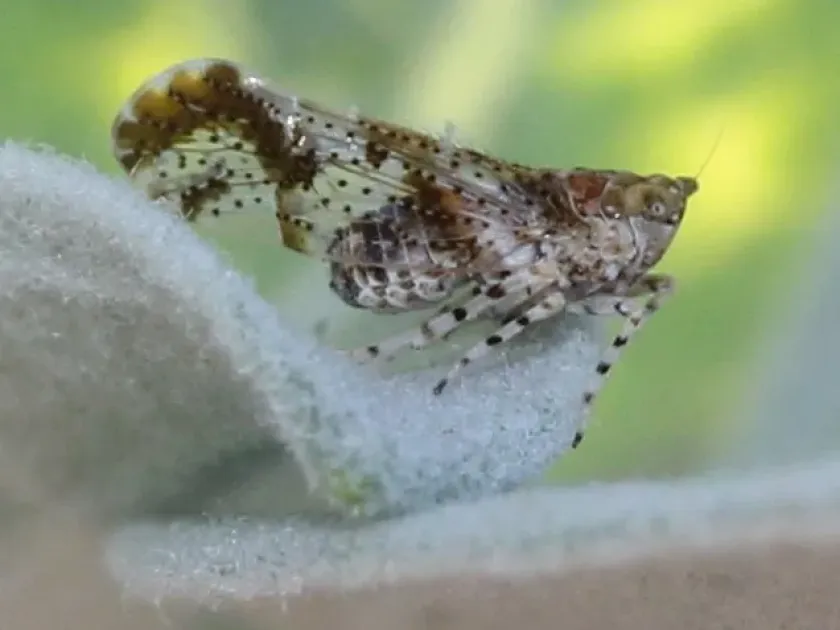
Description
How to identify
Stobaera concinna is a species of planthopper belonging to the family Delphacidae, order Hemiptera. These insects are known for their small size and specific body structure.
Adults typically feature distinctive venation patterns on their wings, which is a key trait used by entomologists to distinguish them from other similar species.
The body coloration ranges from pale yellow to light brown, serving as an effective camouflage against the green leaves of host plants during the day.
Their life cycle includes egg, nymph, and adult stages, with nymphs undergoing several molts while staying on the host plant throughout the growing season.
Due to their elusive behavior, these insects are often found in the lower canopy or sheltered areas of the plant, making them difficult to spot during routine inspections.
What it damages
This pest primarily feeds on graminaceous crops, including corn, sorghum, and various wild grass species that grow near cultivated fields.
Damage is caused by the extraction of sap from the phloem, which depletes the plant's resources and stunts overall development and growth rates.
Beyond direct feeding damage, S. concinna is a known vector for several plant viruses and phytoplasmas that can cause systemic infections in crops.
High infestation rates can lead to a significant reduction in grain yield and poor development of reproductive organs in cereal plants.
The weakened state of the plant after an infestation also makes it more susceptible to secondary infections by pathogenic fungi and bacteria.
Signs of infestation
The primary symptom of infestation is chlorosis, appearing as yellow spots or streaks on leaves as the insects withdraw cellular fluids.
One can identify the presence of these planthoppers by inspecting the undersides of leaves, where they usually aggregate during the hottest hours of the day.
The accumulation of honeydew excreted by the insects often encourages the growth of sooty mold, which creates dark patches on the foliage.
Affected plants often show reduced vigor, distorted leaves, or stunted stem growth compared to surrounding healthy crops in the field.
In cases of viral transmission, the plants may display curling or twisting of leaves, which is a hallmark sign of a more serious physiological disruption.
Control measures
Effective management begins with strict weed control along field margins, as these areas often serve as reservoirs for S. concinna populations.
Systemic insecticides should be applied when monitoring data indicates that the pest population has reached an economic threshold for intervention.
Strategic planting dates can help crops reach stages of maturity where they are more resistant to pest damage before the peak density of the insect occurs.
Biological control agents, including parasitic wasps and predatory insects, should be conserved to maintain natural pressure on the planthopper population.
Integrated Pest Management (IPM) practices, such as the use of sticky yellow traps, are essential for monitoring flight activity and timing protective treatments.
Taxonomy
- Latin name
- Stobaera concinna
- Order
- Hemiptera (bugs, aphids, leafhoppers)
- Family
- Delphacidae
- EPPO code
- STOBCO
Discussion
No discussions yet — be the first.