
Stenoptilodes
Stenoptilodes
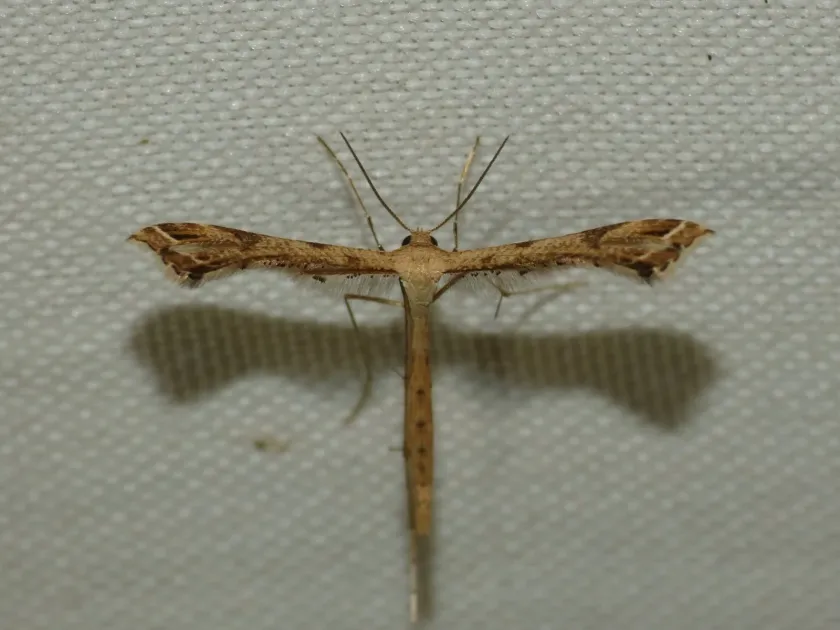
Description
How to identify
Stenoptilodes is a genus of moths belonging to the family Pterophoridae, commonly known as plume moths. Their most distinctive feature is the structure of the wings, which are cleft into narrow, feather-like lobes.
Adult moths are generally small with delicate bodies and long legs. They possess a cryptic coloration, usually shades of brown or grey, which allows them to blend in perfectly with plant stems during the day.
The life cycle follows a complete metamorphosis: egg, larva, pupa, and adult. The larvae often feature dense setae (hairs) and can be difficult to spot on the host plant due to their size and color matching.
Taxonomically, the genus is part of the Pterophoridae family. Identification of specific species within the Stenoptilodes genus often requires microscopic examination of the male and female genitalia.
These insects are primarily active during the night or dusk, often utilizing their camouflage to remain undisturbed until they start their egg-laying process in the dark hours.
What it damages
The primary host plants for Stenoptilodes include species from the Geraniaceae family, with ornamental Pelargonium being a particularly common target for infestation.
Larvae feed on various parts of the plant, including leaves, buds, and young shoots. This feeding habit causes immediate physiological stress to the plant and reduces its overall vigor.
In greenhouses and nursery settings, this pest can cause significant damage to commercial flower stocks, rendering the plants unmarketable due to deformed leaves and buds.
Feeding wounds created by the larvae serve as entry points for secondary pathogens, including fungi and bacteria, which often leads to rotting tissues and systemic plant infections.
Severe infestations can lead to stunted growth and total loss of blooms, especially in high-value ornamental cultivars where aesthetic quality is paramount for commercial success.
Signs of infestation
Visual signs of infestation include small, irregular holes or 'window-pane' damage on the leaves, where the larvae have consumed the leaf tissue while leaving the epidermis intact.
The accumulation of frass (larval waste), which appears as small dark pellets, is a reliable indicator that Stenoptilodes larvae are actively feeding in the vicinity.
Deformed or wilting buds indicate that a larva may have bored into the peduncle or the flower heart, preventing the normal development of the blossom.
Larvae often use silk to tie leaves together, creating a protective enclosure or shelter. Finding such 'tents' on the plant is a clear sign of the moth’s presence.
The presence of adult moths near the plants at night, observed via light traps, often precedes the appearance of the next generation of leaf-feeding larvae.
Control measures
The most effective strategy starts with strict quarantine measures, ensuring that all incoming plants are thoroughly inspected for larvae or eggs before being introduced to the main crop.
Biological control, specifically the use of Bacillus thuringiensis sprays or entomopathogenic nematodes, is highly recommended to manage larvae without harming the local ecosystem.
Chemical control should rely on the application of systemic insecticides that can reach the larvae hidden within folded leaves or bored stems, ensuring high efficacy.
Good sanitation practices are crucial; removing and destroying infected plant material, as well as cleaning the ground beneath pots, helps disrupt the life cycle of the moth.
Integrated Pest Management (IPM) requires regular monitoring using pheromone or light traps to determine the peak flight activity of adults, allowing for precise and timely insecticide applications.
Taxonomy
- Latin name
- Stenoptilodes
- Order
- Lepidoptera (butterflies)
- Family
- Pterophoridae
- EPPO code
- STPDSS
Discussion
No discussions yet — be the first.