
Cnaemidophorus
Cnaemidophorus
Description
How to identify
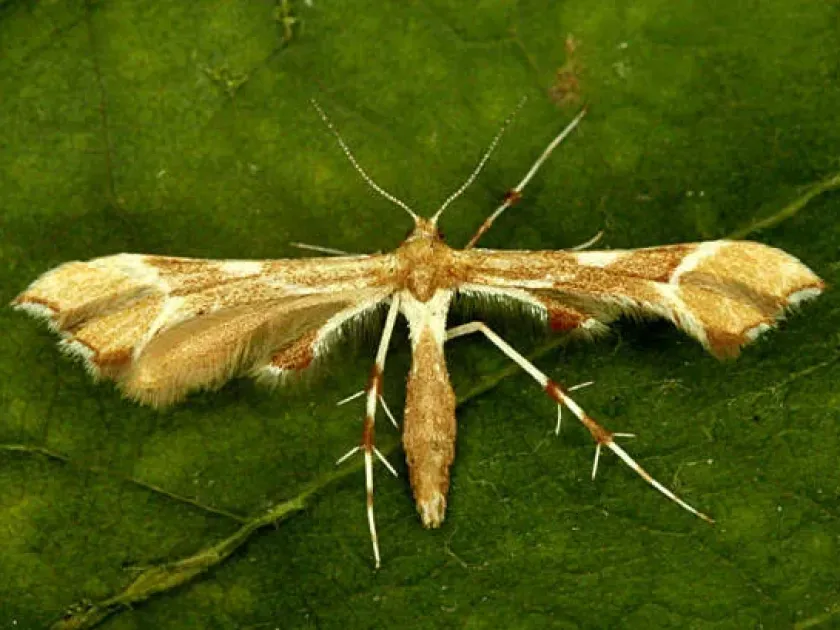
Cnaemidophorus is a genus of moths belonging to the family Pterophoridae, commonly known as plume moths. These insects are distinguished by their unique wing morphology, where the wings are deeply cleft, resembling feathers.
The adult moth typically has a wingspan of 15 to 25 millimeters. Their coloration is usually cryptic, featuring shades of brown, tan, or grey, which provides excellent camouflage against tree bark, stems, or dried vegetation.
The larvae, or caterpillars, have a cylindrical body covered with fine hairs or setae. They are often difficult to detect because they adopt the color of their host plant, making them blend seamlessly into the foliage.
The life cycle follows complete metamorphosis, including egg, larva, pupa, and adult stages. Pupation usually occurs directly on the host plant, often protected by silk webbing within curled leaves.
Due to their nocturnal nature, adults are rarely seen during the day. Agronomists usually identify the presence of this pest through the specific signs of larval activity on the host crops.
What it damages
The primary hosts for Cnaemidophorus are plants in the Rosaceae family. Commercial crops such as raspberries and blackberries are particularly susceptible to larval feeding, which can compromise plant health.
Larvae primarily target tender parts, including apical buds and young leaves. By feeding on these growing points, they cause stunting and deformity of the shoots, which negatively impacts the plant's overall development.
Damage to the buds is particularly concerning as it directly reduces the plant's reproductive potential. When larvae destroy flower buds, they significantly decrease the final yield of the berry crop.
In cases of heavy infestation, the caterpillars can strip the foliage, leaving behind only the veins. This severe defoliation reduces the plant's photosynthetic capacity, causing overall weakening and reduced vigor.
Furthermore, larval feeding creates entry points for various secondary infections, including fungal and bacterial pathogens, which can exacerbate the damage caused by the insect itself.
When it appears
Activity of Cnaemidophorus is strictly seasonal, occurring primarily in late spring and throughout the summer months. This period correlates with the growth phase of the host plants.
The first larvae usually emerge in late spring, aligning with the sprouting of new shoots. This timing allows the pests to maximize nutrient intake for rapid growth and development.
Depending on regional climatic conditions, the moth can complete one or two generations per year. The timing of these cycles often overlaps with critical stages of berry formation, increasing the risk of significant crop loss.
As summer draws to a close, the larvae cease feeding and pupate. The species generally overwinters as a pupa or adult, hidden in protected areas such as bark crevices, soil debris, or leaf litter.
Monitoring efforts should be focused on the months of May and June. Early detection is key to preventing the pest from spreading throughout the entire berry plantation.
Signs of infestation
The most reliable sign of a Cnaemidophorus infestation is the presence of curled or rolled leaves held together by thin, silky webbing. This web acts as a protective shelter for the developing larva.
The accumulation of larval frass (excrement) within these curled leaves is a definitive indicator of feeding activity. If you find webbed clusters on young shoots, you have likely located a colony.
Visual symptoms of damage include irregular holes in the leaves and the destruction of leaf tissue between the veins, which gives the foliage a skeletonized appearance.
Stunted, deformed, or twisted shoots are common indicators of larval presence, as the caterpillars often disrupt the apical meristem of the plant during their feeding process.
Upon inspecting the plants, if you find larvae that match the description of plume moth caterpillars, you should initiate control measures immediately to prevent further damage to the buds.
Control measures
Cultural control is the first line of defense. Regularly inspect plants and remove infested shoots or leaves where larvae are hiding. Collected material must be burned or buried to destroy the pest population.
Biological control using Bacillus thuringiensis sprays is highly effective against young larvae. This method is environmentally friendly and helps maintain the balance of beneficial predatory insects.
Chemical control should be implemented if monitoring indicates that the population has exceeded the economic threshold. Use systemic insecticides that are approved for use on berry crops during the vegetative stage.
Promoting a healthy environment for natural predators, such as spiders, parasitic wasps, and lacewings, can help naturally suppress the number of plume moths in the field.
- Maintain proper plantation hygiene by clearing surrounding weeds.
- Ensure optimal plant nutrition to enhance natural resistance against pests.
- Use pheromone traps for monitoring flight periods and timing control actions.
Taxonomy
- Latin name
- Cnaemidophorus
- Order
- Lepidoptera (butterflies)
- Family
- Pterophoridae
- EPPO code
- KNMASP
Discussion
No discussions yet — be the first.