
Spuleria
Spuleria
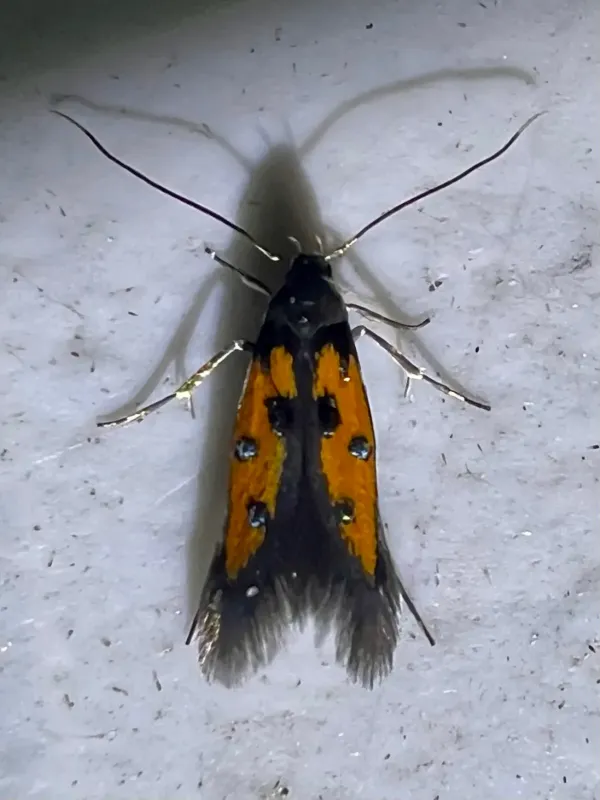
Description
How to identify
Spuleria is a genus of moths belonging to the family Cosmopterigidae. These insects are small in size and characterized by their narrow, slender wings which allow them to remain inconspicuous.
Adult moths are generally nocturnal, displaying cryptic coloration that helps them blend in with the bark and foliage of their host trees during the daytime.
The larval stage is where the primary damage occurs. These larvae are cylindrical with well-developed mouthparts, adapted for boring into woody plant tissues.
The life cycle undergoes complete metamorphosis, including egg, larva, pupa, and adult stages, which is typical for lepidopterans of this family.
Accurate identification usually requires expert examination, as the insects live a highly cryptic lifestyle inside the plant stems throughout their development.
What it damages
Spuleria species are known to primarily infest maples (Acer species). They focus their destructive activity on young shoots and buds, posing a threat to saplings.
The larvae tunnel into the new growth, consuming the cambium and xylem, which disrupts the transport of nutrients and water throughout the plant.
Severe infestations can lead to the wilting and death of shoot tips, causing distorted growth patterns and a significant reduction in the tree's vitality.
Damage to the terminal buds directly affects the vertical and lateral growth of the tree, which is particularly detrimental in nursery production.
Weakened trees become susceptible to secondary pathogens, including wood-decay fungi and bacterial infections that enter through larval entry holes.
Signs of infestation
Deformed or wilting terminal shoots are one of the most reliable indicators of a Spuleria infestation in a maple tree population.
Tiny entrance or exit holes on the surface of branches, often accompanied by small piles of sawdust-like frass, point to the presence of tunneling larvae.
Spring observations might reveal buds that fail to open or dry out prematurely due to the disruption of the vascular system in the twig.
Dissecting the damaged shoots often reveals internal galleries, confirming the presence of moth larvae and their destructive feeding paths.
Yellowing or premature leaf drop localized to specific branches can serve as an early warning sign of deeper structural damage within the branch.
Control measures
Sanitation is the cornerstone of management; pruning and disposing of infested shoots before the adult moths emerge effectively reduces local populations.
Systemic insecticides applied during the early growth stages can provide adequate protection by targeting larvae as they initiate boring into the stems.
Monitoring adult flight periods using pheromone traps allows for precise timing of chemical applications, minimizing unnecessary environmental impact.
Maintaining optimal tree vigor through proper fertilization and watering schedules enhances the tree's natural ability to withstand minor pest damage.
- Frequent inspection of maple nurseries and urban plantations.
- Proper destruction of removed plant material to prevent moth emergence.
- Integrated Pest Management (IPM) practices focusing on biological controls.
Taxonomy
- Latin name
- Spuleria
- Order
- Lepidoptera (butterflies)
- Family
- Agonoxenidae
- EPPO code
- SPLESP
Discussion
No discussions yet — be the first.