
Lime bark moth
Chrysoclista linneella
Description
How to identify
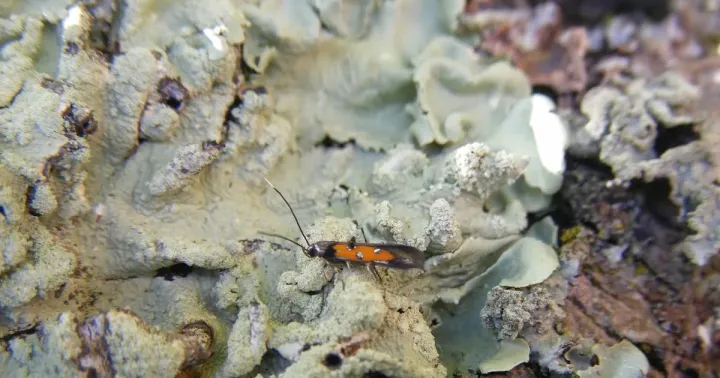
The lime bark moth (Chrysoclista linneella) is a small moth characterized by its striking appearance, featuring bright orange forewings marked with black spots ringed by silver-white scales. Its wingspan typically ranges from 15 to 18 mm.
The larvae, or caterpillars, are creamy-white with dark-colored heads. They lead a cryptic, endophagous lifestyle, meaning they develop hidden deep within the bark of their host trees.
Pupation occurs within the bark or in the galleries previously excavated by the larvae. The pupae are protected by these galleries, making them difficult to locate during routine inspections.
Adult moths are primarily nocturnal and are strongly attracted to artificial lights, which is often how their presence is first detected in urban environments or parklands.
This species is well-adapted to the temperate climate, with its biological cycle synchronized perfectly with the growth patterns of its host trees, ensuring a stable environment for its larvae.
What it damages
The moth specifically targets linden trees (Tilia), particularly older trees or those with rough, damaged, or split bark. It is considered a significant pest in urban forestry and historical landscapes.
Caterpillars feed on the inner bark and cambium layer. By creating extensive galleries, they disrupt the transport of nutrients and water, which causes the bark to become brittle and detach.
Heavy infestations lead to large-scale bark necrosis. This weakens the structural integrity of the trunk and provides an entry point for secondary pathogens like wood-decay fungi.
Visible damage includes stunted growth, thinning of the canopy, and sometimes the dieback of major branches, which can lead to the eventual decline of the tree if left unmanaged.
The cumulative damage caused by the larvae is a major concern for arborists who maintain urban avenues, as it compromises both the tree's health and its ornamental value.
When it appears
The flight period for adult moths typically occurs during the summer months, specifically June and July. During this time, they mate and lay eggs within the cracks and crevices of the bark.
Larvae emerge in late summer and immediately burrow into the bark to begin feeding. This activity continues through the autumn and remains concentrated beneath the bark layer.
The species overwinters as larvae within their tunnels inside the tree. As temperatures rise in spring, the larvae resume feeding, growing rapidly before they pupate.
By late spring or early summer, the pupation process is completed, and the new generation of adults emerges to restart the annual cycle.
Understanding this timing is crucial for intervention, as the vulnerability of the pest changes significantly depending on whether the insect is in the adult, larval, or pupal stage.
Signs of infestation
The most reliable sign of an infestation is the presence of frass (larval droppings) in the form of fine wood dust accumulating at the base of the trunk or near branch crotches.
Patches of dead, loose, or peeling bark are clear indicators that the cambium layer has been hollowed out by larval activity. These areas often appear discolored or sunken.
Observation of pupal exuviae, or empty casings, sticking out of the bark surface is a definitive sign that a generation of moths has successfully completed its development.
General signs of tree stress, such as yellowing leaves or sparse foliage in the canopy, often accompany severe bark damage and are symptoms of the underlying circulatory disruption.
Searching for moths on the bark surface during the day, where they often remain motionless, can help in early detection before significant damage occurs.
Control measures
Effective control begins with proper silvicultural practices, including the removal of dead or loose bark that provides ideal overwintering sites for the larvae.
Chemical control using systemic insecticides can be applied during the period of larval emergence, targeting the young insects before they become fully protected by the bark.
In municipal areas, integrated pest management (IPM) strategies are preferred, focusing on the use of pheromone traps to monitor populations and reduce the number of breeding adults.
Maintaining tree vigor through adequate irrigation and nutrient management is vital, as healthier trees exhibit stronger natural defense mechanisms against larval attack.
- Regular trunk inspections during the peak flight season.
- Manual removal and destruction of infested bark patches.
- Encouraging natural predators such as woodpeckers and insectivorous birds.
- Strategic pruning to remove heavily damaged branches and reduce infestation risk.
Taxonomy
- Latin name
- Chrysoclista linneella
- Order
- Lepidoptera (butterflies)
- Family
- Agonoxenidae
- EPPO code
- KRYCLI
Discussion
No discussions yet — be the first.