
Vashti Sphinx
Sphinx vashti
Description
How to identify
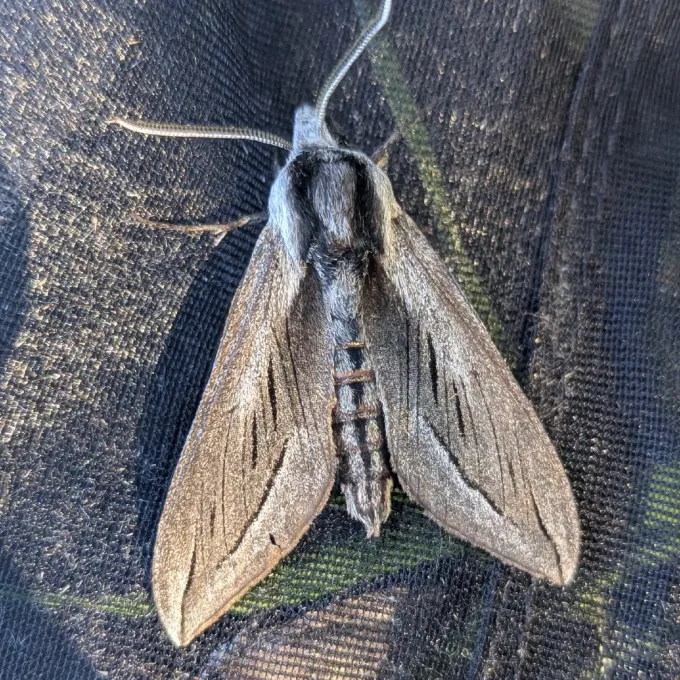
The Vashti Sphinx (Sphinx vashti) is a member of the Sphingidae family, order Lepidoptera. The adult moths are characterized by a robust body and narrow wings, typical of sphinx moths.
The caterpillars of this species feature distinct diagonal markings on their sides, which serve as excellent camouflage against their host plant foliage.
A prominent horn is located on the posterior end of the larvae, a defining feature of the Sphingidae family that often changes in color during development.
Adult moths are primarily nocturnal or crepuscular, making them difficult to spot during daylight hours on the site.
The life cycle encompasses four stages: egg, larva, pupa, and imago, with the larval stage being the one responsible for foliage damage.
What it damages
The primary host plants for the larvae of this species are shrubs belonging to the Rosaceae family, especially Snowberry (Symphoricarpos).
In agricultural and garden settings, the caterpillars may infest ornamental shrubs, feeding aggressively on the green leaf tissue.
Damage is characterized by extensive defoliation, which can weaken the plant and negatively impact its overall aesthetic and health.
Heavy feeding pressure results in reduced photosynthesis, which inhibits annual growth and can decrease the plant's winter hardiness.
While mass outbreaks are relatively rare, localized infestations can cause significant damage to young, sensitive shrubs.
When it appears
The flight period of adult moths typically occurs during the summer months when environmental conditions favor mating and oviposition.
Larval activity peaks in mid-summer, coinciding with the period of rapid plant growth and high food availability.
Pupation generally takes place in the soil or leaf litter, where the pupae enter diapause until the following season.
Light traps are an effective tool for monitoring the presence of adult moths during the evening hours.
Regular visual inspections of susceptible shrubs are recommended throughout the growing season to detect early larval activity.
Signs of infestation
The most immediate sign of an infestation is the presence of eaten or skeletonized leaves, often starting from the edges inward.
Small, granular droppings (frass) accumulating underneath the canopy are a clear indication of feeding activity above.
Careful observation of the underside of leaves and stems often reveals the presence of the caterpillars themselves.
Unusual thinning of foliage or cessation of shoot growth can indicate a larger infestation that requires immediate attention.
The absence of typical leaf structures combined with the presence of larvae are definitive markers for identifying the Vashti Sphinx.
Control measures
Hand-picking caterpillars is a highly effective control measure for small gardens and can be easily performed in the early morning or evening.
For larger infestations, biological insecticides containing Bacillus thuringiensis are recommended as a targeted and safe option.
Chemical control should be reserved as a last resort, using products that are labeled for caterpillar management and safe for the environment.
Good garden hygiene, including the removal of debris and weed control, helps minimize suitable habitats for the pupal stage.
Promoting natural predators and parasitoids in the garden can help maintain the population of sphinx moths at a naturally low level.
Taxonomy
- Latin name
- Sphinx vashti
- Order
- Lepidoptera (butterflies)
- Family
- Sphingidae
- EPPO code
- SPHXVA
Discussion
No discussions yet — be the first.