
White-backed planthopper
Sogatella furcifera
Description
How to identify
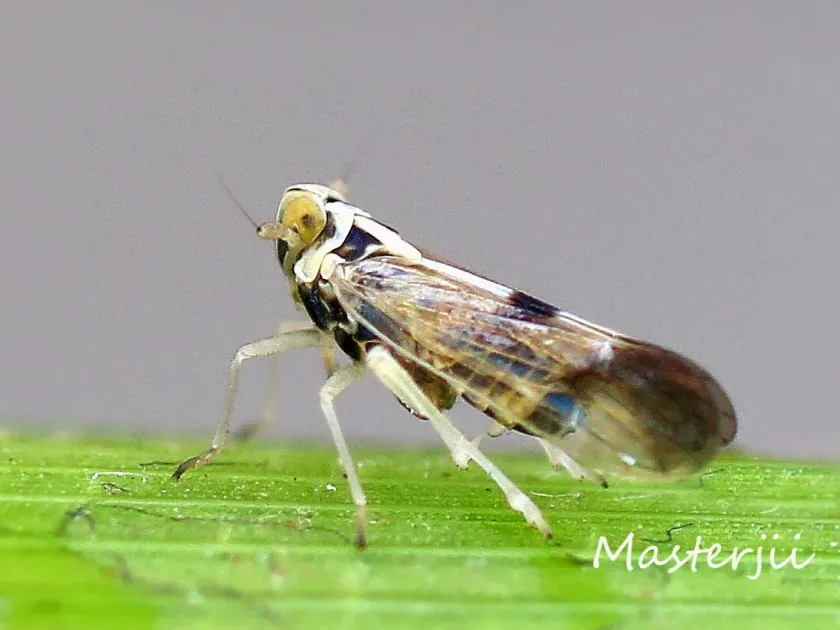
The white-backed planthopper is a small insect belonging to the Delphacidae family, order Hemiptera. Adult individuals measure about 3–4 mm in length and are easily identified by a characteristic white stripe on the scutellum.
The body color ranges from light yellow to dark brown, with transparent forewings featuring dark veins. Nymphs resemble adults in appearance but are smaller and lack developed wings during the early stages of development.
This pest is highly mobile and capable of migrating long distances using wind currents. In agro-ecosystems, planthoppers often congregate at the base of plants, making them difficult to detect during initial inspections.
Sexual dimorphism is evident in the structure of the genitalia and the color patterns of the abdomen in males and females. The insect undergoes incomplete metamorphosis, passing through egg, nymph, and adult stages.
During outbreaks, the population density on a single plant can reach several dozen individuals, imposing significant metabolic stress on the host crop.
What it damages
Rice is the primary host for the white-backed planthopper, although the pest also infests other cereal crops such as wheat, barley, and various wild grasses. The insect feeds exclusively on phloem sap from the plants.
Damage is caused by both adults and nymphs, which pierce plant tissues with their specialized mouthparts. This feeding process disrupts the plant's normal metabolic functions and nutrient transport.
Beyond direct physical damage, the pest acts as a major vector for dangerous phytopathogenic viruses, such as the Southern rice black-streaked dwarf virus. Viral infections often cause more economic damage than the sap-sucking activity itself.
Infested crops experience reduced photosynthesis, leading to stunted growth, lower grain weight, and degraded quality of the harvest. In severe cases, extensive lodging of the stems can occur.
The economic impact is reflected in significant yield losses, sometimes exceeding 30–50% in areas of heavy infestation, necessitating continuous field monitoring throughout the growing season.
When it appears
The life cycle of the white-backed planthopper is closely tied to climatic conditions, as high humidity and moderate-to-high temperatures are essential for optimal development. Several generations can occur within a single season.
Insects typically overwinter in the egg stage within plant tissues or as adults in warmer regions. Activity begins in spring, coinciding with the tillering phase of cereal crops.
Peak population levels usually occur in the second half of summer when weather conditions favor rapid reproduction. The developmental period for one generation averages 20–30 days.
Migration patterns are often linked to monsoon periods, which frequently trigger sudden population spikes in rice-producing regions across Asia.
As the season comes to an end, development slows down, and the insects prepare for hibernation by moving to alternative host plants or crop residues that provide a food source.
Signs of infestation
The first visual sign of infestation is the appearance of small chlorotic spots on the leaves, which eventually merge into longitudinal streaks. Leaves begin to yellow, curl, and wither prematurely.
Careful inspection of the underside of leaves or the leaf sheaths reveals clusters of nymphs and adults. When disturbed, the insects quickly jump or fly to adjacent stems.
A characteristic sign of planthopper activity is the excretion of honeydew, which serves as a substrate for sooty mold growth. This leaves a blackish layer on the plant, further inhibiting photosynthesis.
In cases of viral transmission, symptoms such as mosaic patterns, stunting, and deformation of the rice panicles become clearly visible on the plants.
At high infestation levels, crop fields may show "burnt" patches, which appear as clusters of wilted or dead plants against the otherwise green field background.
Control measures
Management strategies include cultural practices designed to create an environment unfavorable for the pest. It is crucial to adhere to optimal planting dates and select rice varieties resistant to planthopper attacks.
Regular weeding is highly recommended, as weeds serve as alternative hosts and virus reservoirs between seasons. Proper water management in rice paddies can help control nymph populations.
Chemical control remains the most effective approach during outbreaks. The application of systemic insecticides can suppress populations at various stages of their life cycle.
- Monitoring using light traps and yellow sticky traps.
- Timely application of insecticides once economic thresholds are exceeded.
- Utilization of biological control agents, including entomophagous insects and fungal preparations.
- Maintaining spatial isolation between fields with different planting dates.
It is essential to rotate insecticides from different chemical groups to prevent the development of resistance. Additionally, excessive nitrogen fertilization should be minimized, as it stimulates population growth.
Taxonomy
- Latin name
- Sogatella furcifera
- Order
- Hemiptera (bugs, aphids, leafhoppers)
- Family
- Delphacidae
- EPPO code
- SOGAFU
Discussion
No discussions yet — be the first.