
Simaethis
Simaethis
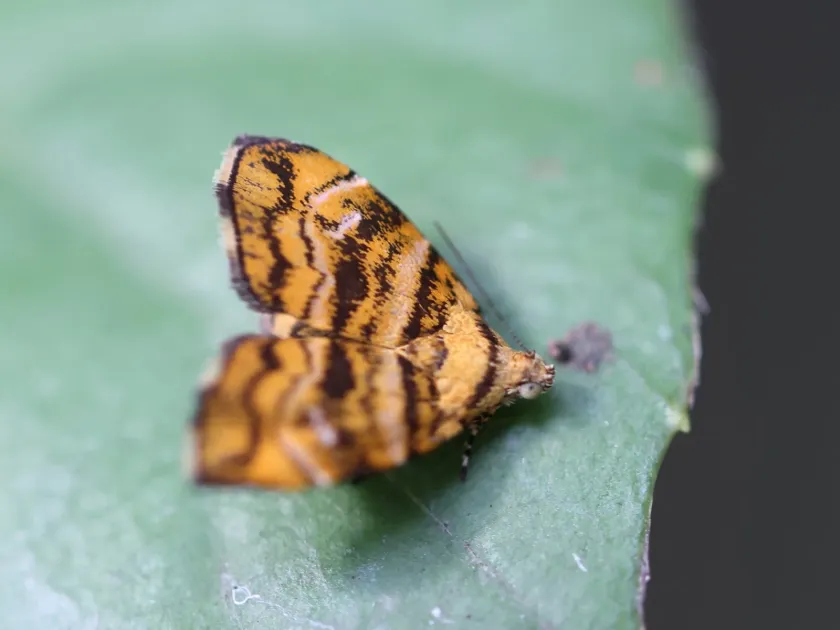
Description
How to identify
Simaethis is a genus of moths belonging to the family Choreutidae. These small insects are often difficult to detect due to their tiny size and cryptic behavior on host plants.
Adult moths typically have a wingspan ranging from 10 to 15 millimeters. Their wings often display a dark, mottled pattern with a subtle metallic sheen, aiding in camouflage against leaves.
The larval stage is the most significant in terms of plant consumption. Larvae are elongated, usually light green or greyish, allowing them to blend seamlessly with the leaf tissues they feed upon.
Systematically, this genus is closely related to other small moths. Therefore, accurate species identification often requires a microscopic examination of wing patterns and genital structures.
Professionals often rely on the specific feeding behavior and plant host preference to distinguish Simaethis from similar species found in the same habitat.
What it damages
The main damage is caused by Simaethis larvae, which feed on the leaves of various host plants, including agricultural crops and ornamental foliage.
The primary damage pattern is leaf skeletonization, where larvae consume the soft tissue while leaving the network of veins intact, severely hindering the plant's photosynthesis.
Damage is most commonly found on the underside of leaves, where the pests spin protective silk webs, creating shelters that shield them from predators and environmental factors.
Simaethis can cause substantial economic losses in plant nurseries and ornamental gardening, where the aesthetic quality of the foliage is of paramount importance.
In cases of severe infestation, the cumulative feeding damage leads to premature leaf drop, stunted growth, and an overall decline in the plant's physiological vitality.
When it appears
The life cycle of Simaethis is strictly regulated by temperature. Active development typically occurs during the warmer months, spanning from late spring to early autumn.
The pest generally overwinters as pupae or adults in sheltered microhabitats, such as bark crevices, leaf litter, or debris, ensuring survival through cold periods.
The first generation emerges when ambient temperatures rise and stabilize, coinciding with the onset of active plant growth in the spring.
Peak infestation levels are usually recorded during mid-summer, providing ideal environmental conditions for the successful development of subsequent generations.
Monitoring the flight of adult moths using pheromone traps is the most effective method for predicting peak infestation and timing protection measures.
Signs of infestation
One of the earliest signs of Simaethis infestation is the appearance of small holes and translucent "windows" on the leaf surface, created by larvae feeding.
A closer inspection will often reveal delicate silk webs used by larvae to pull leaf edges together, creating a safe chamber for their feeding activities.
Small, dark, granular excrement pellets found on the leaf surface are a clear indicator of active larval feeding in the immediate vicinity.
Yellowing, curling, and distortion of leaves are common signs that the plant's vascular and nutritional systems have been compromised by feeding pressure.
In cases of heavy infestation, leaves may become matted together by dense silk webbing, forming unsightly clumps that protect the larvae inside.
Control measures
Effective management of Simaethis requires an integrated approach that combines cultural practices with targeted chemical or biological intervention.
A crucial cultural practice involves the removal and destruction of plant debris and fallen leaves, which significantly reduces the availability of overwintering sites.
Biological control using bacteria-based insecticides (such as Bacillus thuringiensis) is highly effective against young larvae and preserves beneficial insect populations.
Chemical control should be reserved for instances where the economic damage threshold is exceeded to avoid disrupting the ecological balance of the area.
- Regular monitoring with pheromone traps.
- Sanitation to remove overwintering sites.
- Application of bio-insecticides at early larval stages.
- Encouraging natural predators and parasitoids.
Taxonomy
- Latin name
- Simaethis
- Order
- Lepidoptera (butterflies)
- Family
- Choreutidae
- EPPO code
- SIMASP
Discussion
No discussions yet — be the first.