
Schizura leptinoides
Schizura leptinoides
Description
How to identify
Schizura leptinoides is a moth species belonging to the family Notodontidae, commonly known as prominents. These moths are nocturnal and are characterized by their cryptic coloration, which provides excellent camouflage against tree bark.
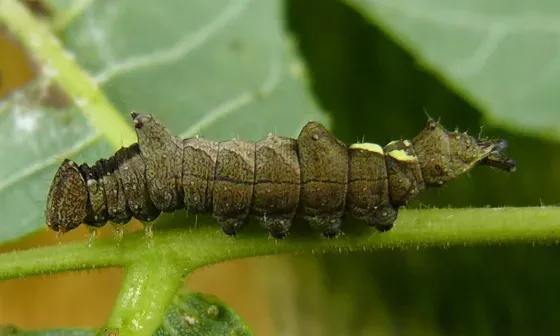
The larvae, or caterpillars, are known for their peculiar appearance. They often exhibit patterns and shapes that mimic bits of plant debris or irregular growths, serving as a highly effective defense mechanism against avian predators.
Adult moths have a wingspan typically ranging from 35 to 45 mm. Their forewings are usually a blend of mottled grays and browns, while the hindwings are lighter, aiding in their concealment during the daylight hours.
The life cycle encompasses complete metamorphosis, consisting of the egg, larval (caterpillar), pupal, and adult stages. Depending on the geographical region, there may be one or two generations per year.
Taxonomically, this species is placed within the order Lepidoptera, a vast group of insects known for their complex developmental cycles and specialized larval feeding habits on diverse plant hosts.
What it damages
The primary hosts of this pest include a wide variety of deciduous hardwood trees. Oak and beech trees are frequently affected, along with various fruit-bearing species found in domestic and commercial orchards.
The damage is caused exclusively by the larval stage, which feeds voraciously on the leaf tissue. During severe infestations, caterpillars can skeletonize entire leaves, leaving behind only the tough vascular veins.
Widespread defoliation significantly impairs the photosynthetic capacity of the tree. This reduction in energy production can lead to stunted growth, reduced nut or fruit yield, and decreased overall vigor.
Chronic infestation makes trees highly susceptible to secondary attacks, such as bark beetles or wood-boring insects, which often target trees already stressed by leaf loss.
In forest environments, Schizura leptinoides can contribute to localized defoliation events, which may alter the microclimate within the forest canopy and affect the growth rate of the stand.
When it appears
Adult moth activity typically peaks during the warmer months, generally starting from late spring through mid-summer, when temperatures are optimal for flight and reproduction.
Caterpillars are most active and noticeable during the summer months, from June to August, which corresponds with their rapid growth and accumulation of energy reserves before pupation.
The species overwinters as a pupa, typically nestled within the leaf litter or just below the soil surface at the base of the host tree, protected by a fragile, silken cocoon.
The timing of these life stages is sensitive to climatic variations, such as unseasonably warm springs which can trigger an earlier emergence of the adult moths.
Field monitoring is best conducted using pheromone traps or light traps at night to detect the presence of adults, signaling the potential start of the egg-laying period.
Signs of infestation
The most prominent sign of an infestation is the presence of irregular, ragged holes in the leaves, or instances where the leaf blade has been consumed down to the primary veins.
Accumulation of frass (caterpillar excrement) on the leaves of lower branches or on the ground beneath the tree is a clear indicator that feeding larvae are present within the canopy.
Direct observation of the larvae themselves, especially when inspecting the undersides of leaves, provides definitive proof of infestation, particularly during the early morning hours.
Clusters of tied or webbed leaves might be observed, as some larval instars may create simple silken retreats for protection during the daytime against heat and predators.
In cases of heavy infestation, the audible sound of falling frass or the visual evidence of a thinning canopy can alert foresters and gardeners to the presence of a pest outbreak.
Control measures
Biological control is highly effective and recommended for garden settings. Promoting the presence of natural enemies like parasitic wasps, tachinid flies, and predatory beetles can keep populations in check.
For organic management, applications of Bacillus thuringiensis (Bt) are highly specific and target the lepidopteran larvae while remaining safe for most beneficial insects and vertebrates.
In cases where infestations threaten the survival of valuable specimen trees, systemic insecticides may be applied, though this should be used as a last resort to minimize non-target impacts.
Cultural practices, such as removing leaf litter from the base of the trees during autumn and winter, can help destroy overwintering pupae and significantly reduce the subsequent year's population.
Maintaining tree health through proper irrigation and balanced fertilization ensures that trees have the physiological resilience needed to recover from temporary foliage loss caused by occasional pest presence.
Taxonomy
- Latin name
- Schizura leptinoides
- Order
- Lepidoptera (butterflies)
- Family
- Notodontidae
- EPPO code
- SCHULE
Discussion
No discussions yet — be the first.