
Schizura ipomoeae
Schizura ipomoeae
Description
How to identify
Schizura ipomoeae, commonly known as the morning glory prominent, is a species of moth in the family Notodontidae. It is native to North America and is frequently encountered in forest and garden ecosystems.
Adult moths are characterized by their cryptic coloration, featuring various shades of brown and gray that allow them to blend perfectly with the bark of trees during their resting phases.
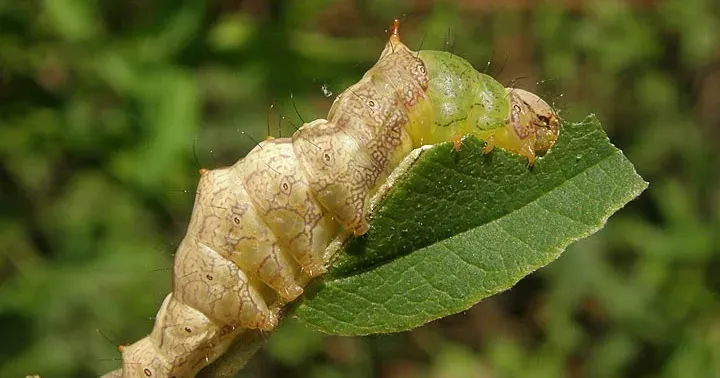
The larvae are highly distinctive, often exhibiting various humps and protuberances. Their coloration is highly variable, enabling them to mimic twigs or damaged leaf sections, a trait that serves as a powerful defense mechanism against predators.
The life cycle encompasses four stages: egg, larva, pupa, and adult. The insect typically spends the winter in the pupal stage, encased in a cocoon located within the soil or amongst leaf litter.
Females lay eggs in small clusters, primarily on the undersides of host plant leaves, which helps protect the eggs and early-instar larvae from environmental stressors and predators.
What it damages
This pest is a generalist feeder (polyphagous), attacking a wide range of deciduous trees and shrubs, including oak, maple, elm, and various fruit-bearing species such as apple and cherry.
While mature trees can often withstand some level of infestation, repeated or heavy attacks by larvae can lead to significant defoliation, stressing the tree and reducing its overall vigor.
Young trees in nurseries are particularly vulnerable, as feeding damage can stunt growth, cause branch deformation, and make the saplings more susceptible to secondary diseases or harsh weather conditions.
Feeding typically starts with small holes in the leaf blades, progressing to extensive skeletonization where only the larger veins remain, severely impacting the plant's photosynthetic capacity.
In landscaping and ornamental gardening, the aesthetic impact is significant, as the presence of these caterpillars can quickly turn healthy foliage into an unsightly, ragged canopy.
When it appears
Adult moths typically emerge during the warmer months, with peak activity depending on the geographical region and local temperature patterns, usually starting from late spring.
Caterpillars are most active and visible during the height of the summer, as they go through their growth phases and consume large amounts of foliage to support their development.
Depending on the climate, the species may complete one or two generations per year, with the final generation transitioning to the pupal stage by early autumn.
The larvae descend from the branches to the ground or seek shelter under leaves to pupate, marking the end of the active feeding season for the year.
Monitoring for signs of infestation is most critical during the mid-summer period when larval development is at its peak and damage becomes most evident to the eye.
Signs of infestation
The most immediate sign of an infestation is the appearance of irregular holes on the leaf surface, accompanied by the presence of frass (caterpillar droppings) on lower leaves or the ground.
Observers may notice the caterpillars themselves resting along the midrib of leaves; their ability to mimic bits of bark or dry foliage often requires a keen eye to spot.
A thinning or ragged canopy is a common symptom in cases of high population density, as the cumulative feeding activity of many larvae quickly strips the tree of its lush appearance.
Some larvae may use silk to pull parts of leaves together, creating small shelters or protective nests that further indicate their presence within the foliage.
Premature leaf yellowing or drop can occur on severely affected branches as the tree loses its ability to sustain damaged leaves efficiently under the stress of infestation.
Control measures
For minor infestations on smaller trees or ornamental plants, manual removal of the caterpillars by hand is often the most straightforward and effective method of control.
Biological insecticides containing Bacillus thuringiensis are highly effective against this species and are preferred because they target larvae specifically while sparing beneficial insects and pollinators.
Chemical intervention should be reserved for severe outbreaks where there is a risk of significant tree damage, and should be applied in accordance with local regulations to prevent environmental impact.
Implementing soil management techniques, such as light tilling or raking around the base of trees in late autumn, can help disrupt pupation sites and reduce the number of emerging adults for the following season.
- Promote tree health through proper watering and soil fertilization.
- Encourage local bird populations, which are natural predators of many caterpillar species.
- Perform seasonal maintenance pruning to keep tree crowns healthy and less attractive to pests.
Taxonomy
- Latin name
- Schizura ipomoeae
- Order
- Lepidoptera (butterflies)
- Family
- Notodontidae
- EPPO code
- SCHUIP
Discussion
No discussions yet — be the first.