
Schizura
Schizura
Description
How to identify
The genus Schizura belongs to the Notodontidae family (prominent moths) within the order Lepidoptera. Adult moths are typically nocturnal, featuring cryptic coloration that allows them to blend perfectly with bark and weathered wood, providing effective camouflage from predators.
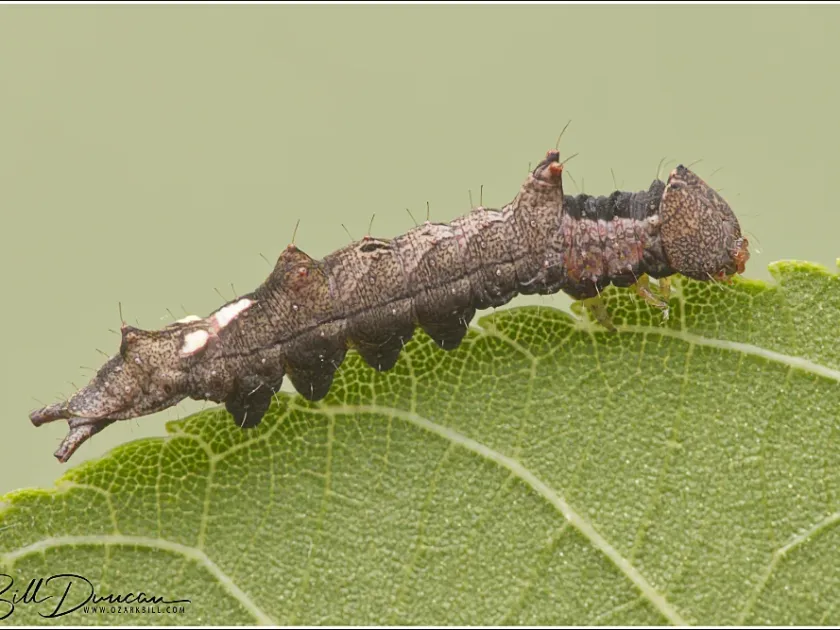
The larvae, or caterpillars, are known for their distinct and often bizarre appearance. They frequently possess humps, tubercles, or elongated filaments, which serve as defensive mechanisms against birds and other insectivores. Some species mimic damaged leaves or twigs.
Their life cycle consists of four distinct stages: egg, larva, pupa, and adult. Most species overwinter as pupae, buried in the soil or hidden within leaf litter near the base of the host tree, protected by a tough, silken cocoon.
Developmental patterns are highly dependent on local climate and environmental temperatures. In northern temperate zones, they typically produce one generation annually, while in warmer southern regions, multiple generations can occur within a single growing season.
Accurate species identification within this genus often requires specialized knowledge, as many members exhibit high degrees of morphological similarity. Entomologists often rely on wing patterns and specific anatomical structures to distinguish between different species.
What it damages
Schizura caterpillars are specialized phytophagous pests that feed on a variety of broad-leaved deciduous trees and shrubs. Common hosts include species of oak, maple, birch, willow, and, in some cases, fruit trees such as apple and cherry.
The primary damage is inflicted during the larval stage. Early instars typically skeletonize leaves, consuming the leaf tissue between the veins, which causes the foliage to lose vitality and eventually desiccate or drop prematurely.
As the larvae mature, they consume larger portions of the leaf, often leaving only the main veins intact. Severe infestations can result in significant defoliation, which severely taxes the tree's energy reserves and impairs its photosynthetic capability.
Repeated defoliation over consecutive seasons can significantly stress the host tree, making it susceptible to secondary pests like wood-boring beetles and opportunistic fungal infections. This is particularly devastating for young saplings.
The economic impact is most pronounced in nurseries, ornamental landscapes, and reforestation projects. The reduction in biomass gain and the loss of aesthetic value necessitate effective monitoring and timely management strategies.
Signs of infestation
One of the earliest signs of infestation is the presence of frass (caterpillar droppings) on the leaves or the ground beneath the canopy. Small, dark pellets indicate active feeding by larvae in the higher branches.
Careful inspection of the undersides of leaves often reveals egg clusters. Females usually deposit these in small groups, sometimes camouflaging them with fine hairs or secretions that match the texture of the leaf surface.
Irregularly shaped leaf edges and partially eaten foliage are telltale signs of larval feeding. Some species may use silk to bind leaves together, creating temporary shelters where they hide from predators during daylight hours.
Monitoring for adult moths using light traps is an effective way to detect the beginning of a flight period. This information is crucial for predicting when the next generation of larvae will likely appear and begin feeding.
A general decline in the tree's vigor, characterized by premature yellowing or sparse foliage in mid-summer, is often a secondary sign that the tree has been under pressure from leaf-eating caterpillars for several weeks.
Control measures
Integrated Pest Management (IPM) is the most effective approach for controlling Schizura. Biological control using Bacillus thuringiensis (Bt) is highly recommended, as it is selective and effectively targets caterpillars while sparing beneficial insect predators.
Chemical intervention should be reserved for cases where economic thresholds are exceeded. Use of systemic or contact insecticides should be timed carefully to avoid impacting pollinators and non-target species in the garden environment.
Cultural practices, such as removing and destroying fallen leaf litter and mulch, can significantly reduce the overwintering population. Tilling the soil around the base of trees in the fall disrupts pupation sites and increases larval mortality.
Encouraging natural predators, such as birds and beneficial insects (e.g., parasitic wasps and predatory bugs), is vital for long-term population regulation. Creating a diverse ecosystem in your garden can prevent these moths from reaching outbreak levels.
For large-scale management, pheromone traps can be deployed to monitor population trends. By tracking adult emergence, professionals can precisely time applications of biological controls to coincide with the most vulnerable early larval instars.
Taxonomy
- Latin name
- Schizura
- Order
- Lepidoptera (butterflies)
- Family
- Notodontidae
- EPPO code
- SCHUSP
Discussion
No discussions yet — be the first.