
Scadra
Scadra
Description
How to identify
The genus Scadra belongs to the order Hemiptera and the family Reduviidae. While many members of this family are known as predatory insects, certain conditions can lead to interactions with crops that require agronomic attention.
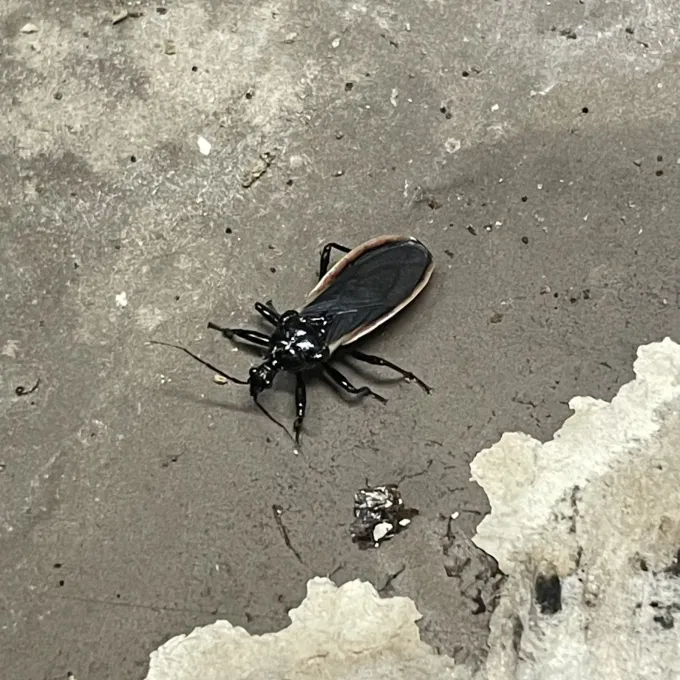
The physical structure of these insects includes an elongated body and a robust rostrum designed for piercing. They are adapted to navigating complex vegetation structures efficiently.
The life cycle encompasses eggs, nymphs, and adults. Because they undergo incomplete metamorphosis, the nymphs resemble smaller, wingless versions of the adults, sharing similar habitat preferences.
They are primarily diurnal and thrive in warm, sunny environments, often seeking shelter within foliage to protect themselves from predators and harsh environmental conditions.
The biological adaptability of Scadra allows them to persist in various agroecosystems, making them a subject of interest for integrated pest management programs.
What it damages
These insects can negatively impact various agricultural crops, including both cereals and vegetables, when their natural prey becomes scarce.
Damage is inflicted primarily through feeding activities that puncture plant tissues, disrupting the vascular system and preventing the efficient transport of nutrients.
The punctures often manifest as chlorotic spots, which eventually transition into necrosis, reducing the photosynthetic efficiency of the affected leaves.
In cases of heavy infestation, the growth of the apical meristem is frequently stunted, leading to distorted stems and overall poor plant development.
Feeding on floral parts can cause premature flower or bud drop, which directly threatens the final yield of the cultivated produce.
When it appears
Adult emergence typically begins in mid-spring as temperatures rise sufficiently to signal the end of the winter diapause period.
The summer season represents the period of peak activity, during which high temperatures significantly accelerate the development of subsequent generations.
In late summer, population density often reaches its maximum, necessitating increased vigilance by agricultural producers to prevent significant economic losses.
As autumn approaches, adult insects begin to seek overwintering sites, such as thick vegetative debris or cracks in soil, to survive the winter months.
The duration and intensity of these seasonal cycles are highly dependent on local weather patterns, specifically rainfall and accumulated heat units.
Signs of infestation
The initial signs of infestation are small, pinpoint-sized puncture marks on the leaves, frequently accompanied by discolored halos.
Curling of young leaves and wilting of top shoots are classic symptoms of localized feeding by nymphal populations gathering in clusters.
- Clusters of small, dark fecal spots on the lower leaf surface.
- Presence of nymphal exuviae (shed skins) attached to stems.
- Development of secondary fungal infections at the site of feeding punctures.
Observations may also reveal a distinct odor when the insects are disturbed, a common defense mechanism among many Reduviidae species.
Regular visual inspections of the under-canopy and plant whorls are essential to detecting early signs of activity before damage becomes irreversible.
Control measures
Cultural management is the first line of defense, involving strict weed control to eliminate alternative hosts and shelter sites for the insects.
Deep plowing following the harvest cycle is an effective method to disturb the soil and destroy nymphs or adults overwintering in the debris.
Biocontrol agents and the preservation of natural predator populations are highly recommended to keep the Scadra numbers below the economic threshold.
When chemical intervention is required, selective systemic insecticides are preferred to manage the population while minimizing the impact on beneficial pollinators.
Establishing a monitoring program using colored sticky traps can provide early warning data, allowing for targeted control rather than widespread spraying.
Taxonomy
- Latin name
- Scadra
- Order
- Hemiptera (bugs, aphids, leafhoppers)
- Family
- Reduviidae
- EPPO code
- SCADSP
Discussion
No discussions yet — be the first.