
Coranus apterus
Coranus apterus
Description
How to identify
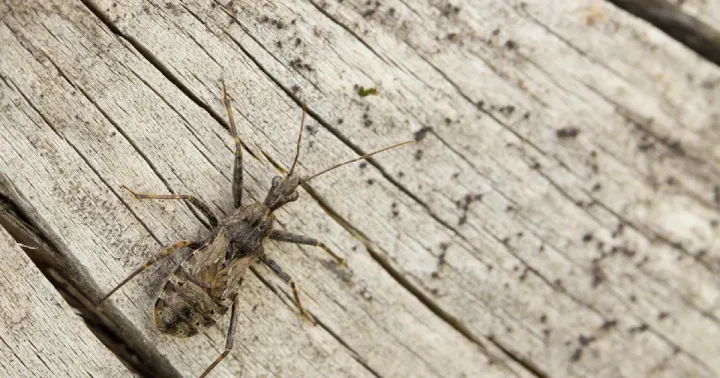
Coranus apterus is an insect belonging to the order Hemiptera and the family Reduviidae (assassin bugs). Adults typically reach 10–12 mm in length and exhibit a brownish-grey coloration that provides camouflage.
A defining trait of this species is the reduction of wings (brachyptery), meaning they primarily inhabit the ground level. They possess a long, robust rostrum (beak) adapted for piercing and sucking.
The nymphs resemble the adults morphologically but lack fully developed sexual organs and wings. Their development is categorized as incomplete metamorphosis (hemimetabolous).
These bugs lead a secretive lifestyle, hiding under leaf litter, debris, or within soil crevices. They are most active during the twilight hours or at night, avoiding direct sunlight.
While often recognized as beneficial entomophagous insects that prey on smaller pests, they can occasionally exhibit phytophagous behavior under specific environmental stressors.
What it damages
Primarily, Coranus apterus feeds on various invertebrates, including aphids, thrips, and small larvae. However, when prey populations are insufficient, they may feed on plant sap to survive.
Damage occurs when the insect inserts its rostrum into the plant tissues. This can happen on cereals, vegetables, and berry crops, particularly targeting young, succulent shoots and leaves.
Common symptoms include localized yellowing, necrotic spots at the puncture sites, and potential deformation of new growth. These wounds can also facilitate the entry of secondary pathogens.
In most agricultural settings, the damage caused by Coranus apterus is minor, as their carnivorous instinct usually outweighs their phytophagous tendencies.
High population densities, however, can lead to visible stunting and vigor loss in crops, requiring farmers to monitor their fields closely during the growing season.
When it appears
Adults overwinter in protected environments such as dense vegetation, leaf litter, or deep within the soil surface, enabling them to survive cold winter conditions.
Emergence occurs in the spring when soil temperatures rise. The bugs then migrate to young crop fields to begin their feeding cycle and mating process.
The reproductive period typically spans the first half of summer. Females deposit eggs in the soil or on the lower surfaces of leaves close to the ground to ensure offspring safety.
A single generation typically completes its development within 30 to 45 days, depending heavily on the temperature and humidity levels in the microclimate.
As temperatures drop in autumn, these insects enter a period of reduced activity and search for suitable overwintering sites to complete their annual lifecycle.
Signs of infestation
The first signs of their presence are tiny, dark puncture marks on the leaves. These often develop into small, sunken lesions as the plant tissue dies around the puncture point.
Affected plants may show slowed development, leaf curling, or wilting of the apical buds due to the insect's saliva affecting plant cell metabolism.
Since they are elusive and nocturnal, direct observation is best conducted at dusk. Search around the base of the plant or move debris where they may be hiding.
A tell-tale sign is their rapid movement away from the base of the plant when the ground is disturbed or the plant is shaken during routine inspections.
The presence of large populations can also be inferred from the decline of smaller prey species (like aphids) or, conversely, from excessive plant damage during dry weather.
Control measures
Effective management begins with good agricultural practices, such as clearing weed clusters and crop residues that serve as harborages for overwintering adults.
Deep autumn plowing is a recommended cultural control measure, as it disrupts their overwintering habitat and buries nymphs or adults, reducing the spring population density.
Biological control, including the use of entomopathogenic fungi or protecting natural predators like spiders and ground beetles, is preferred over chemical interventions.
Chemical control should be applied sparingly, only when pest populations exceed the economic injury level, as indiscriminate spraying harms beneficial insects and natural control agents.
- Crop rotation to break the pest's lifecycle.
- Monitoring with soil-level pitfall traps.
- Maintaining soil moisture to reduce the need for insects to seek sap from plants.
- Encouraging avian and reptilian predators on the farm.
Taxonomy
- Latin name
- Coranus apterus
- Order
- Hemiptera (bugs, aphids, leafhoppers)
- Family
- Reduviidae
- EPPO code
- KORNAP
Discussion
No discussions yet — be the first.