
Rothschildia orizaba
Rothschildia orizaba
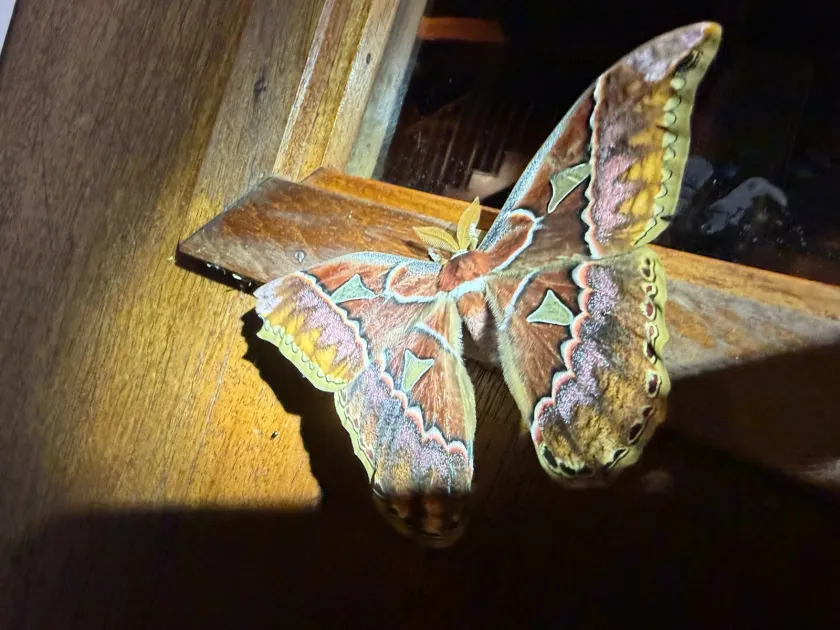
Description
How to identify
Rothschildia orizaba is a large member of the Saturniidae family, commonly known as silk moths, which are recognized for their impressive wing size and patterns.
Adult moths possess distinctively patterned wings with triangular or crescent-shaped translucent spots, serving as a key diagnostic feature for identification.
The larval stage consists of caterpillars that undergo several molts, often displaying vivid colors and spiny tubercles to deter potential predators in their natural habitat.
The species follows a complete metamorphosis life cycle, transitioning from egg to larva, pupa, and finally, the adult moth capable of reproduction.
Identification often relies on spotting the durable, silk-woven cocoons which are typically camouflaged and attached firmly to the host tree branches.
What it damages
The primary agricultural impact of Rothschildia orizaba is caused by the caterpillars, which are aggressive leaf-feeders on various woody plants and fruit trees.
Extensive feeding behavior results in rapid defoliation, which severely limits the tree's ability to perform photosynthesis during the peak growing season.
Continuous loss of foliage weakens the overall health of the tree, potentially leading to stunted fruit development, lower yields, and reduced seasonal growth.
In cases of severe infestation, small trees or nursery saplings can suffer fatal damage, losing enough leaf surface to compromise their survival throughout the year.
Secondary damage occurs as the weakened trees become more susceptible to other pests and opportunistic diseases due to the stress caused by the caterpillars.
When it appears
The life cycle of this species is highly synchronized with seasonal temperatures, with activity levels peaking during the warm spring and summer months.
Adult flight usually occurs when favorable temperatures arrive, allowing the moths to mate and lay eggs on suitable foliage to begin the next generation.
Larval development is most intense mid-season, as the caterpillars require substantial nutrition to reach their final size before undergoing pupation.
Winter is typically passed in the pupal stage, encased within the protective silk cocoons that remain attached to the branches of the host trees.
Understanding the local climate's influence on the timing of these stages is essential for effective scouting and timing of any necessary control interventions.
Signs of infestation
The most visible sign of infestation is irregular leaf margins and skeletonized leaves, showing where the caterpillars have been actively feeding in the canopy.
Frass (caterpillar droppings) accumulating on the ground beneath the tree canopy is a strong indicator of the presence of larvae feeding in the higher branches.
Examining branches for cocoons during the dormant season reveals the presence of overwintering individuals, facilitating manual removal before the spring season.
Clusters of eggs on the underside of leaves can sometimes be found during the initial phases of the moth's reproductive cycle in the garden.
General tree stress, evidenced by slow growth or early wilting during the peak of summer, may suggest an unobserved population of leaf-feeding larvae.
Control measures
Manual removal of cocoons during the winter months is a highly effective, eco-friendly method to reduce the local population of the pest significantly.
Biological control agents, such as specific bacterial sprays or introduced parasitic wasps, can provide natural regulation of caterpillar numbers.
In professional orchard settings, pheromone monitoring traps help in tracking adult moth presence, ensuring that interventions are applied at the most effective time.
When chemical control is necessary, choosing selective insecticides that target lepidopteran larvae while sparing beneficial insects is the recommended approach.
Maintaining proper tree health through irrigation and nutrient management ensures the plants can tolerate minor feeding damage and recover more efficiently.
Taxonomy
- Latin name
- Rothschildia orizaba
- Order
- Lepidoptera (butterflies)
- Family
- Saturniidae
- EPPO code
- ROTHOR
Discussion
No discussions yet — be the first.