
Anisota
Anisota
Description
How to identify
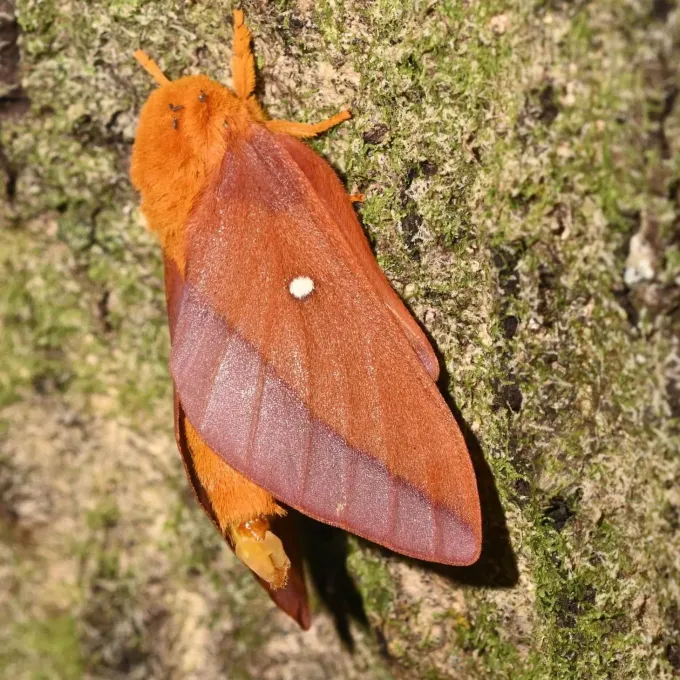
Anisota is a genus of moths belonging to the family Saturniidae, also known as the giant silk moths or royal moths. These insects are characterized by a distinct appearance and robust body structure.
Adult moths are typically nocturnal and possess feathery antennae in males, which are used to detect female pheromones across long distances in the forest environment.
The larvae, or caterpillars, are known for their colorful appearance and prominent spines or horn-like protrusions on their backs, which serve as a warning mechanism against predators.
The life cycle consists of four distinct stages: egg, larva, pupa, and adult. The duration of each stage is highly dependent on environmental temperature and local host plant availability.
Pupation primarily occurs in the soil or in the leaf litter beneath the host tree, providing the insects with a secure location to overwinter until conditions favor the emergence of adults.
What it damages
The primary host plants for Anisota species are trees within the Fagaceae family, specifically various species of oaks, which provide the essential nutrients for larval development.
Young larvae feed gregariously, creating patterns of defoliation that start from the foliage and can quickly escalate to cover entire branches if the population density is high.
As larvae mature, they consume the entire leaf, excluding the major veins, which significantly impairs the tree's ability to perform photosynthesis during the growing season.
Severe infestations can lead to complete defoliation of the canopy, which causes significant stress to the host tree, potentially impacting its overall health and vigor for the following year.
While mature, healthy trees can often survive a single season of defoliation, repeated attacks over consecutive years can lead to secondary infections and long-term decline of the forest stand.
Signs of infestation
Early signs of an infestation include the appearance of partially consumed leaves or skeletonized foliage, where only the toughest veins remain on the tree canopy.
The presence of significant amounts of caterpillar frass, which appears as small dark pellets on the ground under the trees, indicates active feeding taking place high in the canopy.
Inspecting the undersides of leaves during the early summer months can reveal clusters of eggs, marking the beginning of the larval development period for the new generation.
The presence of caterpillars themselves, often found in clusters on leaves or stems, provides the most direct evidence of a current infestation needing attention.
Nocturnal sightings of adult moths, often attracted to porch lights or other artificial light sources near wooded areas, serve as a seasonal alert of the breeding cycle.
Control measures
Mechanical removal of egg clusters and young caterpillar groups from small, accessible trees is an effective, environmentally friendly way to limit the spread of the population.
Biological control using microbial insecticides, such as Bacillus thuringiensis, is highly effective for managing outbreaks while maintaining the safety of non-target beneficial insects.
Chemical control, if necessary, should be applied with precision to minimize environmental impact and should be timed to coincide with the most vulnerable larval stages of the pest.
Encouraging natural predators, such as birds, parasitic wasps, and predatory beetles, can provide a sustainable way to keep the population of Anisota in check over the long term.
Regular tree health monitoring throughout the spring and summer allows for early intervention, ensuring that any potential damage remains below the economic threshold for the property.
Taxonomy
- Latin name
- Anisota
- Order
- Lepidoptera (butterflies)
- Family
- Saturniidae
- EPPO code
- ANITSP
Discussion
No discussions yet — be the first.