
Rothschildia arvena
Rothschildia arvena
Description
How to identify
Rothschildia arvena belongs to the Saturniidae family, commonly known as silk moths or emperor moths. These are large, nocturnal insects that can impact vegetation during their larval stage.
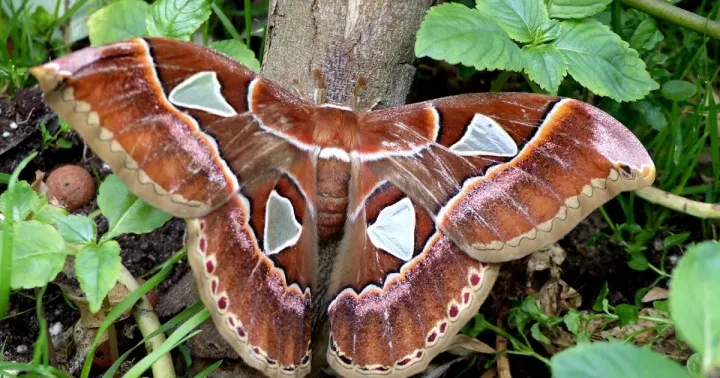
The adult moth is characterized by a significant wingspan featuring translucent "windows" and a distinct color pattern used to deter predators in the wild.
The larvae go through several developmental stages, or instars, where they rapidly increase in size and change their appearance to match the environment.
The body of the caterpillar is often covered with tubercles and spines, which is a standard morphological feature of this family of insects.
Identification is primarily based on the study of morphological characteristics, though their native range is restricted to specific South American regions.
What it damages
As a polyphagous species, Rothschildia arvena can feed on a diverse array of tree and shrub species within its natural distribution area.
The primary damage is caused by the caterpillars, which are voracious eaters capable of stripping foliage, thereby impacting the plant's photosynthetic ability.
Vulnerable plants often include ornamental and fruit-bearing trees where the larvae can congregate and cause localized defoliation.
Severe infestations can weaken the health of the host plant, making it more susceptible to secondary environmental stresses like drought or heat.
Damage to the leaf structure provides an entry point for various plant pathogens, potentially leading to bacterial or fungal infections of the stems.
When it appears
The activity of Rothschildia arvena is heavily regulated by seasonal temperature fluctuations and humidity levels in their native habitat.
Caterpillar activity usually peaks during the active growth season of host plants when foliage is at its most nutritional state.
In warm, tropical environments, development can be nearly continuous, leading to overlapping generations throughout the year.
The pupal stage is often the overwintering phase, protected within dense, silk-like cocoons attached to branches or hidden in leaf litter.
Monitoring for adults via light trapping is the standard approach to predict when caterpillar hatch is likely to begin.
Signs of infestation
Large quantities of frass (caterpillar excrement) deposited under the tree canopy is a strong indicator of active infestation.
Leaves showing irregular, jagged edges or significant tissue loss are typical evidence of the feeding behavior of mature larvae.
The presence of distinct, leathery cocoons attached to twigs or leaf petioles serves as a visual marker for future generations.
Visible thinning of the foliage in specific sectors of the tree crown often points to a concentration of larvae in those areas.
- Jagged leaf edges and holes.
- Accumulation of frass on the ground.
- Silk-like cocoons on branches.
Control measures
Manual removal of caterpillars and cocoons remains the most practical and environmentally friendly solution for residential gardens.
Biological control agents, such as formulations containing Bacillus thuringiensis, are highly effective against these larvae without harming beneficial insects.
Chemical intervention should be restricted to high-density outbreaks and carried out according to local agricultural safety guidelines.
Maintaining strong plant vigor through proper irrigation and pruning helps trees recover quickly from any minor defoliation events.
Encouraging local populations of insectivorous birds and parasitic wasps helps keep the moth population in natural balance.
Taxonomy
- Latin name
- Rothschildia arvena
- Order
- Lepidoptera (butterflies)
- Family
- Saturniidae
- EPPO code
- ROTHAV
Discussion
No discussions yet — be the first.