
Rhodnius prolixus
Rhodnius prolixus
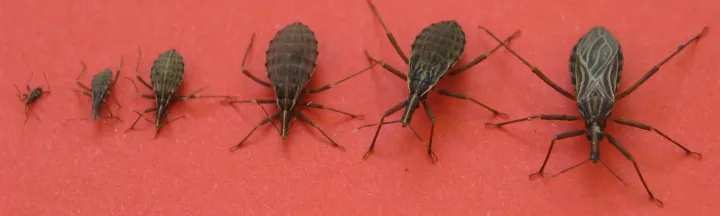
Description
How to identify
Rhodnius prolixus is a species of triatomine bug belonging to the order Hemiptera and the family Reduviidae. These insects are known for their elongated bodies, which typically measure between 20 and 25 mm in length.
The coloration of these bugs ranges from dark brown to yellowish-tan, often featuring distinct dark patterns along the abdomen. They possess a long, sharp proboscis specialized for piercing plant tissues or animal skin.
The life cycle follows a pattern of incomplete metamorphosis, comprising an egg stage, five nymphal stages, and an adult stage. Each growth phase requires nourishment to progress to the next molting cycle.
Rhodnius prolixus is primarily nocturnal and thrives in environments with high humidity and stable temperatures. Adults are capable of flight, allowing them to disperse across fields in search of resources.
Their cryptic behavior makes them difficult to spot, as they often hide in dense foliage, bark crevices, or structural gaps during daylight hours.
What it damages
While often studied in a medical context, Rhodnius prolixus can act as a plant pest by feeding on the nutrient-rich saps and fluids within plant stems and leaf tissues.
This feeding behavior creates localized necrotic spots, which can lead to severe deformation and, in extreme cases, the total death of the affected plant tissues.
The puncture sites caused by the bug's proboscis serve as entry points for various secondary fungal and bacterial pathogens, exacerbating the damage to the host crop.
Heavy infestations lead to overall plant stress, stunted growth, and a significant reduction in the quality and marketable yield of the affected produce.
In addition to physical harm, the presence of these insects can contaminate crops with their waste, negatively impacting the visual quality and safety of the harvest.
When it appears
The seasonal activity of Rhodnius prolixus is heavily governed by environmental conditions, particularly temperature and ambient humidity levels during the growing season.
Peak activity generally occurs during warm and humid months, as these insects prefer constant temperatures typically ranging between 20 and 25 degrees Celsius for optimal development.
During the winter or cooler months, the bugs enter a state of reduced metabolic activity, seeking refuge in plant debris, mulch, or crevices in agricultural structures.
As spring temperatures rise, the insects become active once again, migrating to agricultural fields to feed and begin the process of egg-laying for the next generation.
A single season may support multiple generations if climate conditions remain favorable, potentially leading to rapid population growth in agricultural areas.
Signs of infestation
The most common sign of a Rhodnius prolixus infestation is the appearance of small, light-colored punctures on the surface of leaves, which are remnants of their feeding process.
Affected leaves may show signs of yellowing, curling at the edges, and the development of dried, necrotic patches that spread as the infestation continues.
Evidence of the bug's presence can often be found in the form of dark, sticky fecal spots left on stems or leaves, which may eventually develop moldy patches.
Observation during night hours often reveals adult bugs moving across the plant canopy, as they are most active when the environment is dark and quiet.
Unexplained wilting of individual branches or young shoots, despite adequate irrigation, may also indicate that the bugs are drawing significant amounts of sap from the plant.
Control measures
Managing Rhodnius prolixus requires a multi-faceted approach that emphasizes both sanitation and the use of targeted control strategies to minimize plant damage.
Rigorous field sanitation, including the regular removal of weeds and plant debris, is essential to eliminate the overwintering sites where these pests hide.
Biological control, such as the introduction or preservation of natural predators, can help maintain the insect population at a manageable, non-damaging level.
The use of insecticides should be strictly reserved for scenarios where pest populations exceed the economic injury threshold, favoring selective products that protect beneficial insects.
Implementing regular monitoring programs, using sticky traps, and maintaining proper crop spacing can significantly reduce the likelihood of a widespread infestation.
Taxonomy
- Latin name
- Rhodnius prolixus
- Order
- Hemiptera (bugs, aphids, leafhoppers)
- Family
- Reduviidae
- EPPO code
- RHODPR
Discussion
No discussions yet — be the first.