
Five-ribbed planthopper
Reptalus quinquecostatus
Description
How to identify
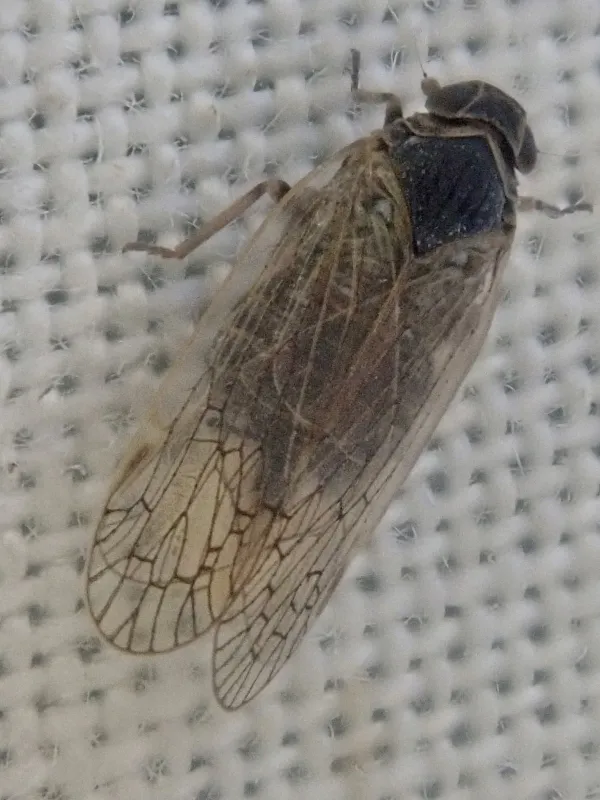
The five-ribbed planthopper (Reptalus quinquecostatus) belongs to the order Hemiptera and the family Cixiidae. The adult insect is characterized by its distinct physical appearance, primarily the presence of five longitudinal ribs on the mesonotum, which distinguishes it from other similar species.
They possess a piercing-sucking mouthpart designed for feeding on plant sap. The body color is typically brown or tan, allowing them to blend in effectively with crop residue and soil, making them difficult to detect during initial inspections.
The nymphs of this species lead a cryptic lifestyle, primarily inhabiting the soil surface or the root zone of plants. They are wingless during these early stages and differ significantly in appearance from the winged adults.
Accurate identification of the species usually requires microscopic examination of the male genitalia, as many planthoppers share similar morphological features, which can lead to confusion in field conditions.
These insects are commonly found in steppe and forest-steppe ecosystems, where they thrive by utilizing various wild grasses and cultivated cereals as primary food sources.
What it damages
This pest primarily attacks cereal crops, including wheat, barley, and rye. Both nymphs and adults contribute to the damage, feeding on the vascular system of the host plants throughout their lifecycle.
Feeding activity leads to severe nutrient depletion of the crops, causing stunted growth, leaf discoloration, and overall reduced photosynthetic capacity, which directly results in lower grain yield.
Beyond direct damage, the five-ribbed planthopper is a significant vector for various plant pathogens, including viruses and mycoplasma-like organisms, which can cause devastating diseases across grain fields.
Root damage caused by the nymphs makes plants highly susceptible to secondary infections and soil-borne pathogens, especially during periods of drought or environmental stress.
The economic impact of the pest is multifaceted, involving both immediate biomass loss and the degradation of grain quality, necessitating strict management strategies in agricultural practice.
When it appears
The activity of the five-ribbed planthopper begins in early spring, as temperatures rise and the nymphs emerge from their overwintering sites in the soil to start feeding on young roots.
The peak flight of adult insects typically occurs in the first half of summer. This period is critical for mating and oviposition, as females deposit eggs either in the soil or on the base of host plant stems.
The lifecycle speed is strongly correlated with weather patterns; warmer temperatures and optimal soil moisture can accelerate development, leading to larger population spikes within a single season.
As autumn approaches, the final-instar nymphs migrate deeper into the soil profile to enter diapause, where they remain dormant throughout the winter months until the next season begins.
Field monitoring is most effective during the nymphal emergence and adult flight phases, providing the necessary data for timely intervention and application of protective measures.
Signs of infestation
Signs of infestation often manifest as localized areas of stunted, pale, or yellowing crops that do not reach the developmental height of healthy plants in the surrounding area.
- Yellowing and drying of leaf tips on cereals.
- Visible stunting or dwarfism in infested plants.
- Presence of honeydew on stems, which encourages the growth of sooty mold fungus.
- Symptoms of mosaic virus or leaf curling spreading through the field.
- Direct observation of insects around the base of plants during early morning inspections.
Control measures
Effective management of the five-ribbed planthopper requires an integrated pest management (IPM) approach to minimize crop losses and sustain field productivity.
A primary cultural control method involves deep fall plowing, which disrupts the overwintering sites of the nymphs and reduces the overwintering survival rate of the population.
Rigorous weed control is essential, as many common field weeds serve as alternate hosts for both the planthoppers and the viruses they transmit to the main crops.
Chemical control involving systemic insecticides is recommended when population thresholds are exceeded during critical growth stages to prevent widespread damage and pathogen transmission.
Implementing crop rotation and selecting resistant plant varieties helps to lower the ecological suitability of the fields for this pest, reducing the reliance on chemical inputs.
Taxonomy
- Latin name
- Reptalus quinquecostatus
- Order
- Hemiptera (bugs, aphids, leafhoppers)
- Family
- Cixiidae
- EPPO code
- REPTQU
Discussion
No discussions yet — be the first.