
Reptalus melanochaetus
Reptalus melanochaetus
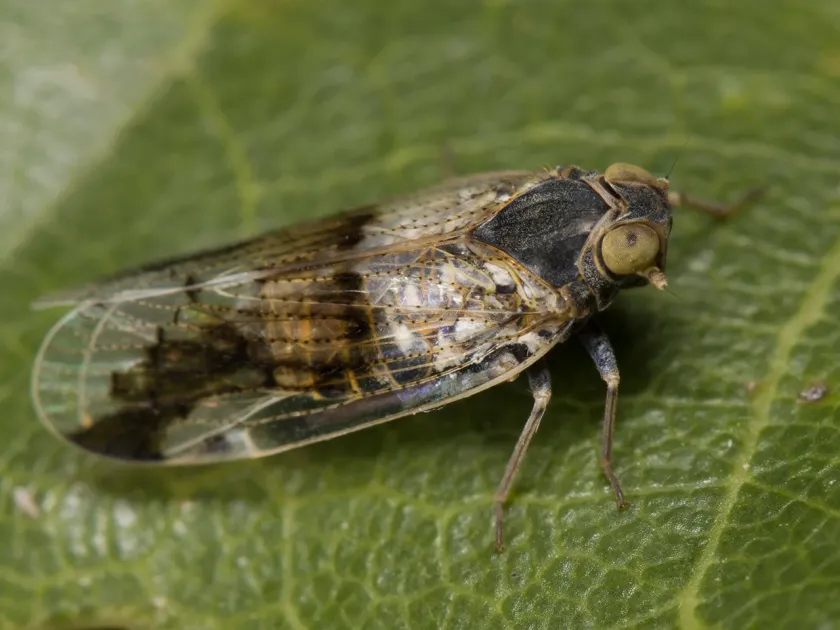
Description
How to identify
Reptalus melanochaetus is a member of the Cixiidae family of planthoppers. These insects are characterized by specific wing venation and head structures common to the Cixiidae group.
Adult specimens possess developed wings, allowing them to migrate efficiently between various host plants throughout the growing season.
The immature stages, or nymphs, typically live underground, feeding on the roots of host plants in a hidden manner.
Agronomists identify this pest during field monitoring using sweep nets to capture adults when they are most active in cereal crops.
The insect follows a hemimetabolous development cycle, passing through egg, nymphal, and adult stages without a pupal phase.
What it damages
This pest primarily infests cereal crops such as wheat, barley, and rye, which constitute their main nutritional resources.
A significant risk associated with this species is its ability to vector phytoplasma diseases, which severely impair plant health.
Nymphs cause damage by feeding on plant roots, which weakens the root system and reduces the overall vigor of the crop plants.
Adults feed on the aerial parts of the plants, piercing the epidermis to extract sap, which leads to tissue dehydration and nutritional deficits.
- Soft wheat
- Spring barley
- Winter rye
- Wild grasses
When it appears
The life cycle of the pest is strongly synchronized with the soil temperature and the phenological stages of the host crops.
Overwintering occurs primarily as nymphs within the soil, located near the root zone where they remain protected from cold weather.
As soil temperatures rise in the spring, nymphs become active and resume feeding on the roots of developing young cereal plants.
The emergence of adults typically occurs in late spring or early summer, coinciding with the rapid vegetative growth of cereal crops.
Dry and hot climatic conditions during the season generally favor the rapid multiplication and increased population density of the pest.
Signs of infestation
Initial signs of infestation often appear as stunted growth and poor crop development, which can be mistaken for nutrient deficiency.
Leaves exhibit yellowing, curling, and loss of turgor, resulting from the disruption of water and nutrient transport systems.
Plants infected with phytoplasmas transmitted by the planthoppers often display dwarfism, excessive tillering, and distorted leaf structures.
Close inspection of roots during the growing season reveals small lesions and necrotic spots caused by nymph feeding activities.
Sticky residues on stems, produced during feeding, may attract secondary fungal infections like sooty mold, further damaging the crop.
Control measures
Integrated pest management begins with proper crop rotation, which is effective in breaking the life cycle of the soil-dwelling nymphs.
Mechanical tillage practices, such as deep plowing, are highly effective in disrupting the habitat and killing nymphs in the soil.
Controlling weeds along field margins and non-crop areas is essential to reduce the reservoir populations of this insect pest.
Systemic insecticides should be applied as a chemical intervention when monitoring data confirms that population levels exceed the economic threshold.
Preserving natural predators, including spiders and predatory bugs, serves as a sustainable way to maintain low pest population levels naturally.
Taxonomy
- Latin name
- Reptalus melanochaetus
- Order
- Hemiptera (bugs, aphids, leafhoppers)
- Family
- Cixiidae
- EPPO code
- REPTME
Discussion
No discussions yet — be the first.