
Reptalus cuspidatus
Reptalus cuspidatus
Description
How to identify
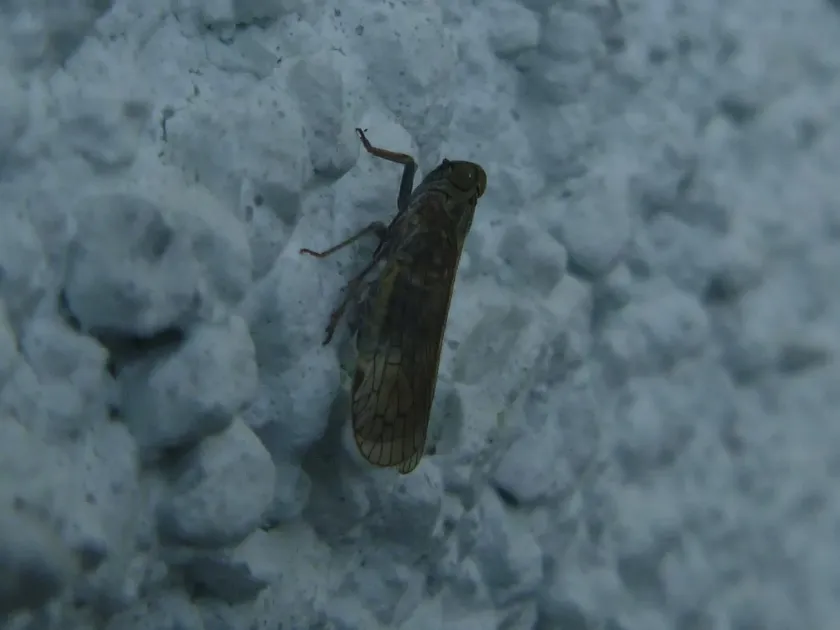
Reptalus cuspidatus is a species of planthopper belonging to the family Cixiidae within the order Hemiptera. Adult insects are characterized by a distinct wedge-shaped head structure.
The body coloration ranges from greyish-yellow to dark brown, which provides effective camouflage among stems and grasses. The body length of an adult specimen typically measures between 6 and 8 millimeters.
Their wings are transparent with a prominent network of veins and are usually held in a roof-like position over the body. This resting posture is a common diagnostic feature for the family.
The nymphs of this species live primarily within the soil or in the root zone. Their body structure is flattened, facilitating movement through soil crevices while feeding on plant roots.
Identification in the field often requires the use of sweep nets or yellow sticky traps. Precise identification of the species usually involves examining the genital morphology of male specimens.
What it damages
This pest attacks a diverse range of agricultural crops, including cereals, corn, sugar beet, and various wild grasses, which often serve as a primary reservoir for the population.
The most significant damage is not caused by direct feeding, but by the transmission of phytoplasma diseases, such as stolbur, which severely affect plant development and yields.
Nymphs cause stress to the plant by feeding on root tissues, which reduces nutrient uptake, weakens the plant's structural integrity, and makes it more susceptible to drought.
Adults feed by piercing the plant epidermis and sucking sap, causing localized chlorosis, leaf wilting, and in severe cases, the complete cessation of photosynthesis in affected leaves.
In cases of high infestation, the overall growth rate of the crop is significantly reduced, leading to reduced grain quality, empty husks, and substantial economic losses for farmers.
When it appears
The species completes one generation per year. Winter is typically spent in the nymphal stage, hidden within the upper soil layers or near the root systems of perennial host plants.
In the spring, as soil temperatures rise, the nymphs resume feeding and proceed through their development stages, eventually emerging as winged adults by the early summer months.
The adult flight period generally spans from June to July, coinciding with the critical vegetative growth phases of cereal crops, which increases the risk of viral transmission.
Oviposition occurs in late summer. Females lay their eggs in the soil or at the base of plants, ensuring that the next generation is well-positioned for the upcoming feeding season.
As autumn arrives, the newly hatched nymphs gradually settle deeper into the soil to survive the winter, effectively resetting the life cycle for the following year.
Signs of infestation
Early signs of infestation include stunted plant growth, irregular height across the field, and yellowing of the leaf tips that resembles severe nutrient deficiency or stress.
Symptoms associated with phytoplasma diseases, such as leaf redness, deformed flower heads, or excessive tillering, are strong indicators that the crop has been infected by the planthopper.
The presence of honeydew on the foliage is a key sign of sap-feeding activity, which often leads to the secondary development of sooty mold on the surface of the leaves.
Infected areas of the field often show patches of dying or severely withered plants, which are easily distinguishable from the healthier sections of the crop stand.
Close inspection of the roots in affected areas may reveal the presence of nymphs, and their movement can be triggered by disturbing the soil near the plant base.
Control measures
Cultural control is essential, including the rotation of crops to prevent the buildup of populations that occurs when cereals follow perennial grasses or poorly managed pastures.
Weed management on the edges of fields and within the crop rows is crucial, as wild grasses often serve as the main habitat for the pest outside of the primary crop.
Systemic insecticides should be applied during the period of peak adult emergence to effectively interrupt the transmission of phytoplasma diseases to healthy plants.
Utilizing resistant or early-maturing crop varieties can help minimize the exposure window during which the crops are most vulnerable to planthopper feeding.
Integrated pest management strategies should be employed, focusing on monitoring with yellow sticky traps to ensure that insecticide use is both timely and targeted.
Taxonomy
- Latin name
- Reptalus cuspidatus
- Order
- Hemiptera (bugs, aphids, leafhoppers)
- Family
- Cixiidae
- EPPO code
- REPTCU
Discussion
No discussions yet — be the first.