
Assassin bugs
Reduvius
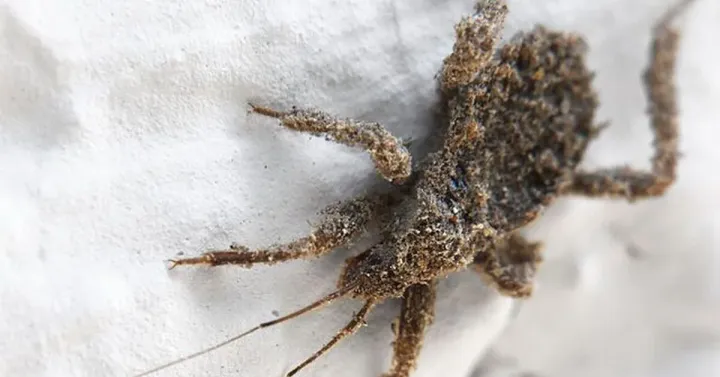
Description
How to identify
Assassin bugs belong to the family Reduviidae and are recognized by their distinct, elongated bodies and piercing-sucking mouthparts. They typically range from 4 to 40 millimeters in length.
A key identifying feature is the head, which is often narrow behind the eyes, forming a neck-like structure. Their rostrum (proboscis) is short and curved, allowing them to deliver a powerful bite to prey or threats.
These insects exhibit varied color patterns, often blending with the environment. Their front legs are usually specialized for grasping prey, a morphological trait that distinguishes them from many other bug families.
Taxonomically, they are part of the order Hemiptera. While many species are considered beneficial predators in gardens, their ability to bite humans or occasionally damage plants makes their management necessary in certain contexts.
Identification in the field requires a careful approach, as many harmless insects mimic the appearance of assassin bugs. Close inspection of the mouthpart structure is the most reliable way to identify members of this family.
What it damages
Although primary diet consists of other insects, assassin bugs can cause damage to crops when their main food sources are depleted. They may pierce plant stems, fruits, or soft tissues to extract fluids.
This feeding behavior results in small puncture wounds surrounded by necrotic tissue, which can weaken the plant and lead to localized stunted growth or deformity in fruits and flowers.
The saliva injected during feeding contains enzymes that can cause severe reactions in some plant species, leading to brown lesions and secondary infections in the affected areas.
In high-density populations, the cumulative damage to the epidermis of fruits can render them unmarketable, causing significant losses in high-value horticultural crops.
The damage is usually erratic and localized rather than uniform across the entire field, making it difficult to detect until significant plant tissue degradation has already occurred.
##season##The life cycle of the assassin bug typically involves an egg stage, followed by five nymphal instars, and finally the adult stage. Hibernation usually takes place in protected niches like leaf litter or tree bark.
Activity begins as spring temperatures rise, with adult insects emerging to hunt and mate. The developmental rate is highly dependent on ambient temperatures and the availability of prey.
Peak activity is typically observed during mid-summer, when nymphal populations are highest and require constant food to sustain their rapid growth and development.
Depending on the latitude, these bugs can complete one to several generations per year. Warmer climates provide ideal conditions for more frequent breeding cycles, extending the threat period.
As autumn approaches and temperatures drop, adults enter diapause, seeking shelters to survive the winter. Their movement patterns often bring them into contact with late-season crops.
Signs of infestation
Primary signs of infestation include tiny, pin-prick-sized wounds on leaves, stems, or fruits. These spots are often surrounded by discolored or necrotic rings as the plant responds to the damage.
An observant gardener might notice the adult bugs resting on the undersides of leaves, especially during the hottest hours of the day when they seek moisture and shade.
The presence of exuviae (cast-off skins) on plants is a clear indicator of nymphal development in the immediate vicinity, suggesting a resident population rather than temporary visitors.
Stunted growth or wilting of individual plant parts without signs of disease or vascular blockage can also suggest that assassin bugs have been feeding on the plant's sap.
The unexpected disappearance of small, soft-bodied insects like aphids in a specific area, followed by the appearance of puncture wounds, is a common signal of assassin bug activity.
Control measures
Management of assassin bug populations should prioritize non-chemical approaches, as they often serve as natural regulators of other, more destructive pests in the ecosystem.
Cultural control practices, such as removing debris and weeds around field borders, help reduce the overwintering sites for the population and limit their habitat.
If intervention is necessary, targeted biological control methods should be employed to minimize the impact on local pollinators and other beneficial predatory insects.
Manual removal of adults and nymphs can be effective in small-scale gardens or greenhouses where insect density is low and the plants are easily accessible.
- Regular weeding to reduce potential egg-laying sites.
- Promotion of habitat for natural predators like birds and spiders.
- Use of pheromone traps to monitor and manage population levels.
- Application of selective botanical insecticides only during extreme outbreaks.
Taxonomy
- Latin name
- Reduvius
- Order
- Hemiptera (bugs, aphids, leafhoppers)
- Family
- Reduviidae
- EPPO code
- REDUSP
Discussion
No discussions yet — be the first.