
Pyrrhopyge amyclas
Pyrrhopyge amyclas
Description
How to identify
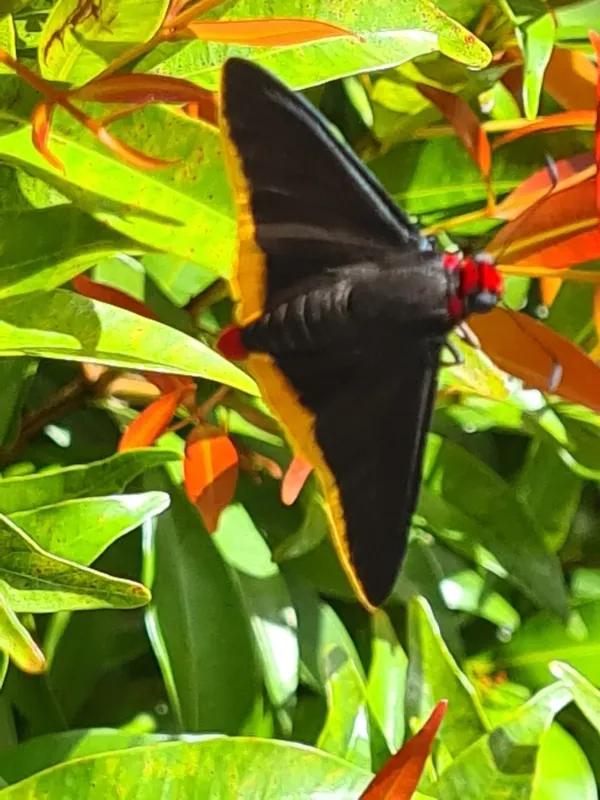
Pyrrhopyge amyclas is a butterfly species belonging to the Hesperiidae family, specifically the Pyrrhopyginae subfamily. Adults are recognized by their relatively robust bodies and dark, often iridescent or matte black wings with distinct coloration patterns.
Identification of the adult stage often focuses on wing shape and specific markings on the thorax and abdomen. These butterflies are known for their fast, erratic flight patterns, which are characteristic of this subfamily in tropical ecosystems.
The larval stage, or caterpillars, possess specialized chewing mouthparts and often exhibit camouflaged coloration to blend in with host plant leaves. This makes them difficult to detect during early larval instars.
Correct identification in the field is vital and usually involves checking the underside of leaves for eggs or early-stage larvae. As they develop, the morphological changes in caterpillars are significant, requiring attention to detail.
Entomological monitoring programs often utilize light traps or sticky pheromone traps to identify the presence and density of adult butterflies in commercial plantations before larvae become problematic.
What it damages
This pest primarily infests plants in the Fabaceae family, although it can adapt to various other tropical vegetation. The damage caused by Pyrrhopyge amyclas is primarily driven by larval feeding behavior.
Caterpillars consume leaf tissue extensively, causing significant defoliation. This reduction in leaf area directly limits the photosynthetic capacity of the plant, leading to reduced growth rates and lower overall crop yields.
In addition to leaf consumption, larvae may target young shoots and buds. This type of damage can stunt the development of the plant and, in severe cases, cause apical necrosis, hindering further plant growth.
The wounds inflicted by the caterpillars create entry points for opportunistic pathogens, including various fungal and bacterial infections. This leads to secondary damage that can be even more detrimental to the crop than the direct feeding.
The economic impact is assessed based on the density of the larvae per plant. Early detection is crucial, as the damage accelerates significantly as the larvae progress through their final instars.
When it appears
The life cycle of Pyrrhopyge amyclas is intrinsically tied to the tropical and subtropical climate patterns. Unlike species in temperate zones, these butterflies do not undergo a winter diapause.
Peak infestation levels are often observed during periods of high humidity and rainfall, which promote the growth of host plants. This availability of food resources triggers increased reproduction and rapid population growth.
Multiple generations can occur throughout the year, with the duration of each life cycle depending on temperature and host plant quality. This continuous breeding cycle makes management challenging for farmers.
Adult migratory behavior is typically linked to the search for optimal egg-laying sites, such as lush, young foliage. Farmers should focus on scouting during these periods of active butterfly flight.
Monitoring the environmental factors and seasonal changes allows for the prediction of peak larval appearance, enabling timely intervention before the pest reaches destructive population levels.
Control measures
Integrated pest management (IPM) is the most effective approach for controlling Pyrrhopyge amyclas. This includes using biological controls such as microbial insecticides containing Bacillus thuringiensis.
Cultural control practices, such as maintaining weed-free fields and removing alternative host plants, play a significant role in reducing the resident population of the pest in the plantation area.
When chemical intervention is required, selective insecticides that target lepidopteran larvae while preserving beneficial insects and pollinators should be prioritized to maintain ecological balance.
Encouraging the presence of natural enemies, including parasitoid wasps and predatory birds, can significantly reduce caterpillar populations. Maintaining biodiversity in and around the fields is a key strategy.
Regular surveillance using visual inspections and trapping devices helps in assessing the necessity for control measures, ensuring they are applied precisely when needed to prevent excessive crop loss.
Taxonomy
- Latin name
- Pyrrhopyge amyclas
- Order
- Lepidoptera (butterflies)
- Family
- Hesperiidae
- EPPO code
- PYRHAM
Discussion
No discussions yet — be the first.