
Mithridates Skipper
Achlyodes mithridates
Description
How to identify
The Mithridates Skipper, known scientifically as Achlyodes mithridates, is a species of butterfly belonging to the Hesperiidae family, order Lepidoptera. It is recognized for its unique morphological features that distinguish it from other local skipper butterflies.
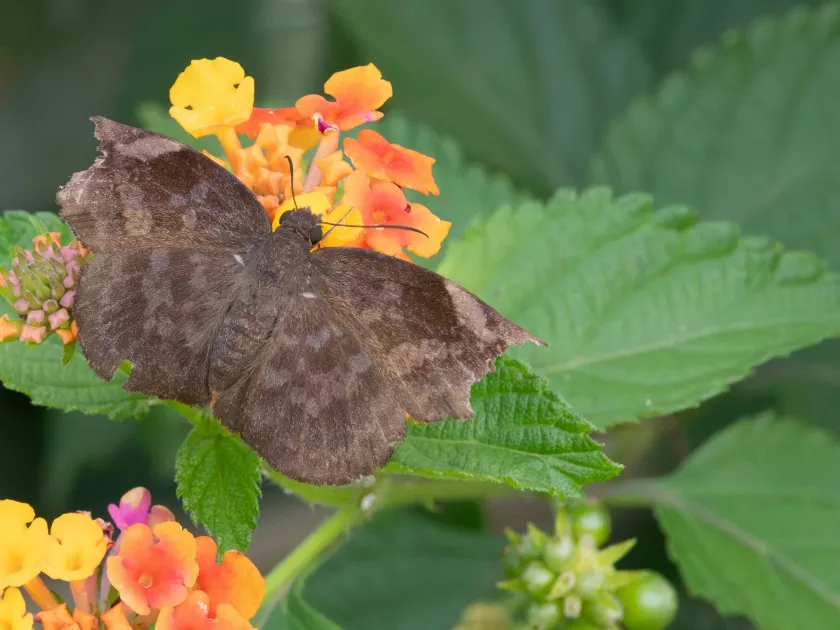
Adult butterflies exhibit a dark, mottled wing pattern that provides excellent camouflage when resting on bark, tree trunks, or the undersides of dark green leaves.
The larval stage is characterized by a fleshy body that typically ranges in color from light green to a deeper shade, allowing the caterpillar to blend in seamlessly with its food source.
As a holometabolous insect, the Mithridates Skipper undergoes four distinct stages: egg, larva, pupa, and adult, with each stage requiring specific environmental conditions for survival.
In regions with warm, consistent climates, these butterflies can produce multiple generations annually, leading to persistent challenges for citrus growers during the warmer months.
What it damages
This pest primarily attacks plants belonging to the Rutaceae family, with a distinct preference for various species of citrus trees, including lime, lemon, and orange varieties.
The larvae are leaf-feeders, causing significant damage by consuming the leaf tissue, which reduces the plant's photosynthetic capacity and hinders overall growth.
Young citrus trees and nursery saplings are at the highest risk, as severe defoliation can stunt their development and lead to poor health or structural weakness of the branches.
Beyond direct leaf loss, feeding sites often become vulnerable entry points for various bacterial and fungal pathogens, potentially leading to additional plant diseases.
Heavy infestations, if left untreated, can result in stunted shoot development and a substantial decrease in the aesthetic and commercial value of ornamental or fruit-bearing trees.
Signs of infestation
The most reliable sign of an infestation is the presence of irregular, notched edges along the leaves, caused by the caterpillars feeding pattern as they mature.
Caterpillars often create protective enclosures by folding leaves or using silk to bind them together, which serves as a visible nest-like structure within the foliage.
Fecal matter (frass) accumulation on lower leaves or around the base of the tree is a clear indicator that a colony of larvae is actively feeding in the canopy above.
Adult butterflies may be observed fluttering around citrus host plants, especially during sunny mornings when they actively seek sites for oviposition.
Discoloration or yellowing around the leaf margins where the tissue has been chewed is another common indicator of recent pest activity and plant stress.
Control measures
Integrated pest management starts with regular field scouting, particularly focusing on the undersides of young leaves during the early spring and summer growth flushes.
Manual removal of caterpillars and the clipping of infested, folded leaves is a simple yet effective control method for home gardens and small-scale citrus collections.
Biological control using formulations based on Bacillus thuringiensis is highly recommended, as it selectively targets caterpillar stages without impacting beneficial predatory insects.
If chemical intervention becomes necessary due to high pest pressure, choose selective insecticides that have a low impact on natural predators like wasps and spiders.
Maintaining a healthy garden ecosystem by planting nectar-rich flowers nearby can encourage natural parasitoids, which naturally regulate the Mithridates Skipper population.
Taxonomy
- Latin name
- Achlyodes mithridates
- Order
- Lepidoptera (butterflies)
- Family
- Hesperiidae
- EPPO code
- EANTTH
Discussion
No discussions yet — be the first.