
Ancyloxypha
Ancyloxypha
Description
How to identify
The genus Ancyloxypha belongs to the Hesperiidae family, commonly known as skippers, within the order Lepidoptera. These are small, diurnal butterflies that are characterized by their rapid, darting flight patterns.
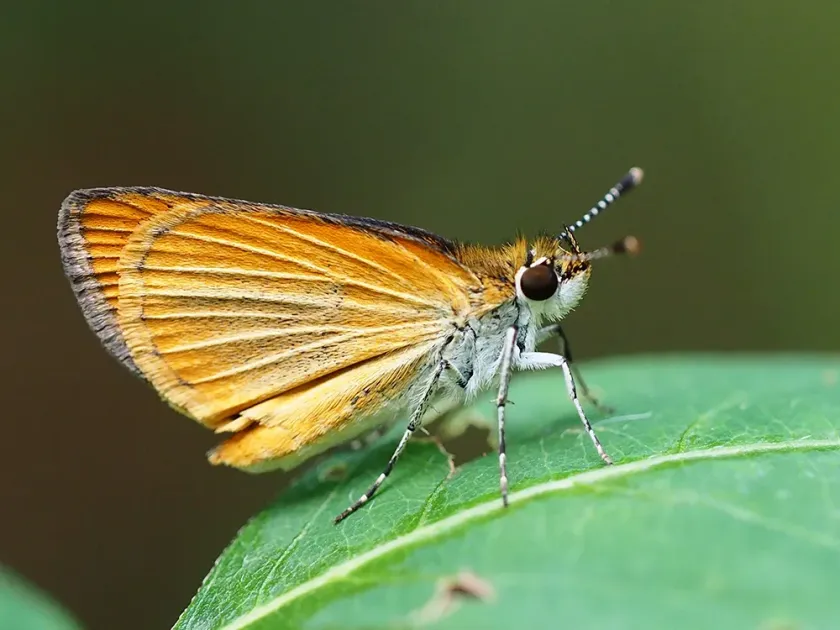
Adult moths typically have a wingspan of approximately 20 to 25 mm. Their coloration varies from tawny-yellow to dark brown, often featuring dark veins on the wings, which is a distinguishing feature for many species in this genus.
The larvae are cylindrical and possess a distinctively shaped head. Their coloration is usually green, often with longitudinal light stripes, providing them with excellent camouflage against the blades of the grasses they inhabit.
Pupation often occurs in a protective shelter made by binding grass blades together with silk threads. These nests are located near the base of the plant, making them difficult to spot during routine inspections.
The skippers are easily identified by their nervous, erratic flight path, moving quickly between short distances. They are most commonly found in meadows, pastures, and along the margins of agricultural fields.
What it damages
Larvae of Ancyloxypha feed primarily on various species of grasses. While they prefer wild grasses, they can become pests in agricultural settings where pastures and forage crops are grown.
The damage is caused by the caterpillars consuming the leaf blades. Significant feeding can lead to reduced biomass production, which directly impacts the yield of hay or the quality of grazing land.
Feeding damage reduces the plant's photosynthetic efficiency, weakening the overall stand. This makes the affected grasses more susceptible to environmental stressors like drought and secondary fungal pathogens.
While a single larva does minimal damage, high populations can cause substantial thinning of the grass stand, leading to brown patches and reduced forage availability for livestock.
Young, succulent growth is preferred by the larvae, meaning that the most severe damage often occurs during the active growing phase of the grasses in late spring and early summer.
When it appears
The life cycle of Ancyloxypha is synchronized with the phenology of host grasses. The first generation of adults typically emerges in late spring as temperatures rise consistently.
Larval activity peaks during the early to mid-summer months. This is when the caterpillars feed most voraciously, accumulating the energy reserves necessary for their transformation into pupae.
Depending on the climatic region, this pest may undergo multiple generations per season. In warmer areas, late-summer generations can continue to cause damage until the onset of cooler weather.
Overwintering occurs primarily as larvae or pupae hidden within the debris at the base of grass clumps or in the upper soil layer, providing thermal protection against winter conditions.
Population dynamics are heavily influenced by weather conditions. Prolonged drought can suppress populations, while moderate, consistent rainfall supports the survival and development of the larval stages.
Signs of infestation
The most common sign of an Ancyloxypha infestation is irregular notching along the edges of grass blades. As the larvae grow, these notches become larger and more pronounced.
Clumped or silk-bound grass leaves at the base of the plant are a clear indicator of the presence of caterpillar shelters. These should be carefully inspected to confirm the cause of the damage.
Accumulation of larval frass (droppings) near the base of the stems is a diagnostic sign. These small, dark pellets often reveal the location of active feeding areas.
Sightings of small, tawny butterflies flying erratically over grass fields serve as an early warning for monitoring. If adults are observed, larvae will likely appear within a short timeframe.
- Reduced overall yield of forage grass.
- Visible notching and ragged edges on leaf blades.
- Silk-spun shelters in the lower canopy of the grass.
Control measures
The primary strategy for controlling Ancyloxypha is the maintenance of good field hygiene. Regular mowing of field edges and surrounding wild grass prevents the buildup of large populations.
Reducing the volume of leaf litter and dead grass at the end of the season can destroy overwintering sites, significantly lowering the number of emerging adults the following spring.
Biological control using microbial insecticides, such as products containing Bacillus thuringiensis, is highly effective against young larvae and is environmentally friendly for use on pastures.
If population levels exceed economic thresholds, selective use of pyrethroid-based insecticides may be necessary, provided they are cleared for use on the specific grass crop being protected.
Promoting a vigorous stand through proper fertilization and irrigation helps the grasses tolerate and recover from feeding damage, mitigating the impact of the pest on agricultural productivity.
Taxonomy
- Latin name
- Ancyloxypha
- Order
- Lepidoptera (butterflies)
- Family
- Hesperiidae
- EPPO code
- ANCXSP
Discussion
No discussions yet — be the first.