
Borbo borbonica
Borbo borbonica
Description
How to identify
Borbo borbonica is a butterfly species belonging to the family Hesperiidae, commonly known as skippers. This insect is a known pest in various tropical and subtropical agricultural systems.
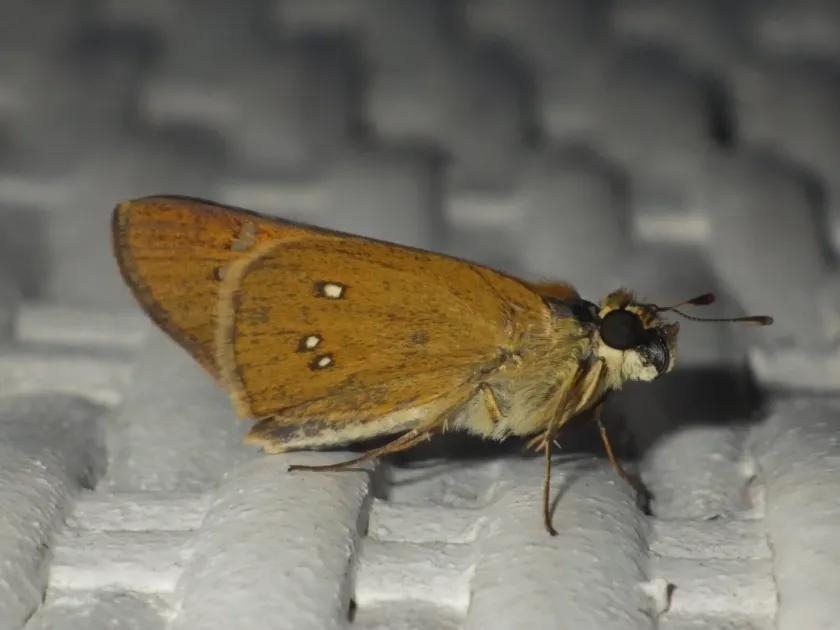
Adult butterflies have a wingspan of approximately 30–35 mm. The wings are characterized by an olive-brown to dark brown base color with distinct semi-transparent white spots on the forewings.
The larvae are cylindrical and exhibit a green coloration, which provides excellent camouflage among the host plant leaves. They possess a darker head capsule, typical of this genus.
The life cycle undergoes complete metamorphosis, consisting of the egg, larval, pupal, and adult stages. The duration of each stage is highly dependent on environmental humidity and temperature.
Pupae are usually found attached to the underside of leaves, secured by silk threads. They are often covered with a whitish waxy substance that acts as a protective layer.
What it damages
The primary host plants for Borbo borbonica larvae are members of the Poaceae (grass) family. Rice is the most economically significant crop affected by this pest species.
Larvae feed exclusively on the leaves of the host plants. By consuming the leaf tissue, they reduce the plant's photosynthetic capacity, which directly impacts the grain development process.
Severe infestations can lead to significant defoliation of rice fields. When the photosynthetic surface area is drastically reduced, the plant's overall vigor and yield potential decline sharply.
The feeding activity creates entry points for various opportunistic pathogens. Bacteria and fungi can colonize the damaged leaf tissue, leading to secondary infections that worsen the overall health of the crop.
In high-density outbreaks, the cumulative damage can result in substantial losses for rice farmers, necessitating immediate intervention to prevent total crop failure in affected areas.
Signs of infestation
The most recognizable sign of infestation is the presence of rolled leaves. Larvae use silk threads to fold or roll the edges of the leaf, creating a shelter to hide from predators.
Frass (larval excrement) found on the leaves or at the base of the plant is a clear indicator of active feeding activity. This sign is often used by scouts to detect localized infestations.
Visual inspection of the rice canopy often reveals jagged edges on leaves where the larvae have been feeding. In advanced stages, large portions of the leaf blade may be missing.
The presence of adult butterflies hovering over the crop is a warning sign of upcoming egg-laying cycles. Monitoring flight activity is crucial for timing early intervention strategies.
Yellowing or premature necrosis of the leaves often occurs after significant larval feeding. When leaves wither, the nutrient transport to the grain is disrupted, significantly impacting harvest quality.
Control measures
Cultural control practices are essential, starting with the removal of wild grasses around rice paddies. These grasses often serve as alternative hosts during the off-season.
Biological control methods involve the protection and encouragement of natural enemies such as parasitoid wasps (e.g., Trichogramma species), which can effectively parasitize the eggs and larvae of the butterfly.
Chemical control should be implemented based on the economic injury level. Selective insecticides that minimize harm to beneficial insect populations are preferred in modern integrated pest management programs.
Proper field management, including balanced fertilization and optimal water control, can strengthen the rice crop's resilience, allowing it to better withstand or recover from low levels of herbivory.
Using light traps or pheromone traps helps in monitoring population trends. By tracking the number of adults caught, farmers can better forecast the timing of larval emergence and apply treatments precisely.
Taxonomy
- Latin name
- Borbo borbonica
- Order
- Lepidoptera (butterflies)
- Family
- Hesperiidae
- EPPO code
- BORBBO
Discussion
No discussions yet — be the first.