
Achlyodes
Achlyodes
Description
How to identify
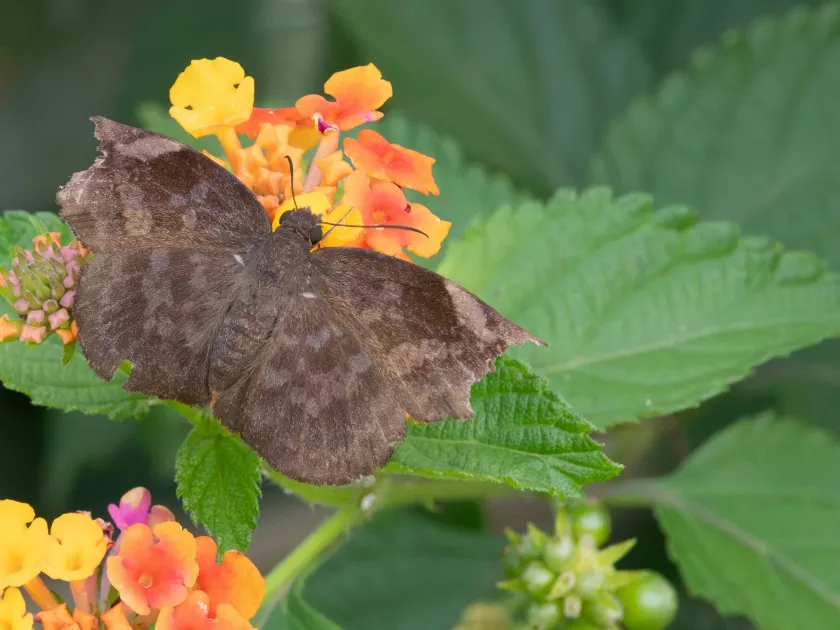
Achlyodes is a genus of butterflies belonging to the skipper family (Hesperiidae) within the order Lepidoptera. These are small butterflies that, in the imago phase, possess dark, often grayish-brown wing patterns, which allow them to effectively camouflage against bark or dry leaves.
The appearance of the imago is characterized by a specific wing structure, which folds in a triangular shape while at rest. The body is densely covered with hair, and the head is broad with large eyes, a typical feature of the skipper family.
The larval stage consists of a caterpillar that undergoes several developmental instars. The caterpillar body is often green or yellowish, providing excellent mimicry among the leaf blades of host plants.
The insect's life cycle includes complete metamorphosis: egg, caterpillar, pupa, and imago. Hibernation of the species most often occurs at the pupal or adult stage in sheltered locations.
The reproduction of Achlyodes depends on the regional climatic conditions; in tropical and subtropical zones, development can occur continuously throughout the growing season.
What it damages
The primary crops susceptible to damage by Achlyodes species are plants from the Rutaceae family, particularly various types of citrus. The caterpillars actively feed on foliage, which can lead to a significant reduction in photosynthetic surface area.
In some cases, the pest may move to wild species, maintaining a population near agricultural land. Young citrus saplings are the most vulnerable, as the loss of a significant portion of leaves slows their growth and weakens their immune system.
Damage caused by larvae includes skeletonization or consumption of leaf margins, which, during mass outbreaks, leads to tree defoliation. This negatively impacts yield and fruit quality.
Weakened plants become more susceptible to secondary infections and attacks by other pests, necessitating a comprehensive approach to grove protection.
The economic threshold for damage depends on the age of the plantation and the general health of the trees, although even moderate caterpillar numbers on young plantings require prompt control.
Signs of infestation
The first sign of the pest's presence is the characteristic irregular, jagged feeding patterns along the leaf margins. One can often notice rolled or tied leaves, inside which the caterpillars hide.
Caterpillar frass (excrement) found on the leaf surface and under the tree canopy serves as a clear indicator of insect activity. Inspecting the underside of leaves reveals both egg clusters and larvae of various stages.
During the day, the butterflies are less active, but when disturbed, they exhibit the characteristic fast and erratic flight typical of the skipper family.
Gradual yellowing and dropping of prematurely damaged leaves indicate local infestation of specific branches, requiring immediate agronomic inspection.
When inspecting foliage, one should look for the "nests" that caterpillars construct by rolling leaf edges and securing them with silk webbing.
Control measures
The protection system includes agronomic methods, such as timely pruning of damaged shoots and the destruction of plant debris where pupae may overwinter.
Biological control involves the use of entomophages, such as parasitic wasps or predatory bugs, which are capable of naturally limiting the pest's population density.
When caterpillar numbers are high, contact and stomach-action insecticides approved for use on citrus crops are employed. It is crucial to rotate chemical agents to prevent the development of resistance.
Regular monitoring of plantations using pheromone traps allows for the precise determination of the start of mass imago flights and helps optimize the timing of protective treatments.
Compliance with quarantine measures during the import of nursery stock helps prevent the spread of the pest to new regions where natural predators of this species are absent.
Taxonomy
- Latin name
- Achlyodes
- Order
- Lepidoptera (butterflies)
- Family
- Hesperiidae
- EPPO code
- ACHDSP
Discussion
No discussions yet — be the first.