
Achlyodes pallida
Achlyodes pallida
Description
How to identify
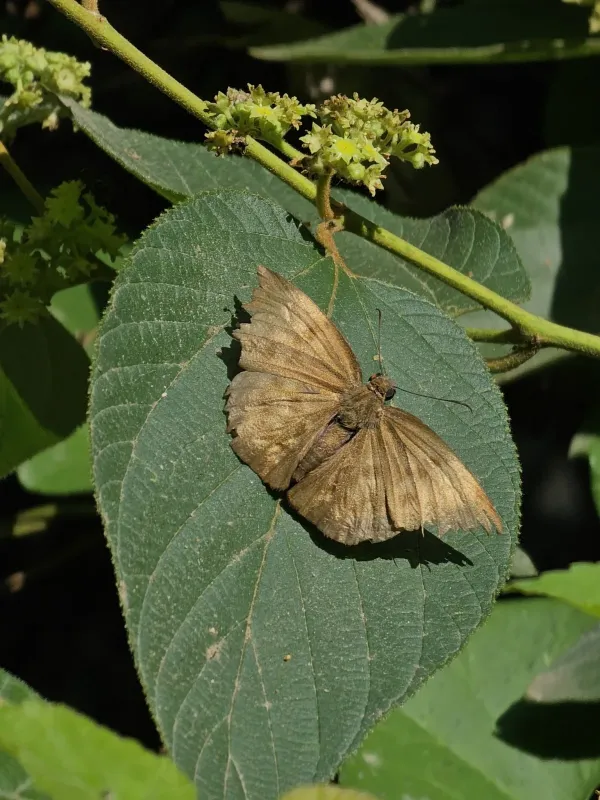
Achlyodes pallida is a species of butterfly belonging to the family Hesperiidae, commonly known as skippers. These insects are distinguished by their robust bodies and relatively small, triangular wings that provide rapid, darting flight patterns.
The coloration of the adults is typically cryptic, featuring shades of grayish-brown or ochre that allow them to blend seamlessly with bark, twigs, or dry foliage in their natural habitat.
Like all Lepidoptera, they undergo complete metamorphosis, passing through the stages of egg, larva (caterpillar), pupa, and adult, with each stage adapted to specific environmental conditions.
Caterpillars are often characterized by a distinct head and a thickened thorax, and they frequently exhibit behaviors that help them mimic leaves or stems to avoid detection by predators.
Pupation usually takes place in a protected site, often within a shelter formed by folding a leaf or securing several leaves together with silk threads.
What it damages
The primary hosts of this species include various wild plants, particularly those in the Malvaceae and Fabaceae families, though they can occasionally affect agricultural crops.
The larval stage is responsible for the damage, as caterpillars consume significant amounts of foliage, often creating irregular holes or edge-notching patterns on the leaves.
In cases of heavy infestation, larvae may consume entire leaves, leaving only the midribs and thicker veins intact, which significantly reduces the photosynthetic capacity of the plants.
Caterpillars may also feed on the terminal buds or succulent new growth, which leads to stunted plant development and structural deformities.
While often considered a secondary pest in large-scale agriculture, their presence can weaken plants, making them more susceptible to drought, disease, and further pest pressure.
When it appears
The activity of Achlyodes pallida is closely linked to the warm growing season, with adults appearing as soon as temperatures are consistently conducive to flight and reproduction.
Multiple generations may occur throughout the summer months, leading to overlapping life stages, which requires persistent monitoring by growers during the peak vegetation season.
Adults are most active during the warmest parts of the day or during dusk, depending on local microclimatic conditions and the specific needs of the population.
The species typically overwinters in the pupal stage, buried in the soil or protected within leaf litter, emerging when environmental triggers signal the start of spring.
The timing of emergence can vary based on regional weather patterns, making local phenological observation essential for effective management programs.
Signs of infestation
One of the most obvious signs of infestation is the presence of rolled or folded leaves that are held together by visible white or translucent silk strands.
The presence of frass (larval excrement) on leaves or the ground beneath the plant is a clear indication that caterpillars are actively feeding nearby.
Ragged leaf margins and holes of various sizes scattered across the foliage are classic visual indicators of lepidopteran larval feeding behavior.
If caterpillars are disturbed, they may retreat into their leaf shelters, which makes them harder to spot during casual field inspections without close examination.
Stunted growth or unusual yellowing of the leaves can suggest systemic stress caused by the localized feeding of Achlyodes pallida on the plant's vascular or photosynthetic system.
Control measures
Management begins with good cultural practices, such as removing wild host plants from field perimeters to prevent the build-up of initial populations.
Biological control, including the use of entomopathogenic fungi or bacteria like Bacillus thuringiensis, is highly effective against younger larval instars.
Encouraging natural enemies such as parasitic wasps and predatory beetles through the maintenance of hedgerows can help keep population levels below economic thresholds.
Chemical intervention should be reserved for periods of high pressure, using selective insecticides that minimize the impact on beneficial pollinators and predatory insects.
- Regular crop scouting and monitoring for leaf damage.
- Deep tilling in autumn to disturb pupation sites in the soil.
- Use of pheromone traps for detection where applicable.
- Maintaining field hygiene by clearing crop residues.
Taxonomy
- Latin name
- Achlyodes pallida
- Order
- Lepidoptera (butterflies)
- Family
- Hesperiidae
- EPPO code
- EANTPA
Discussion
No discussions yet — be the first.