
Pyrrhopyge
Pyrrhopyge
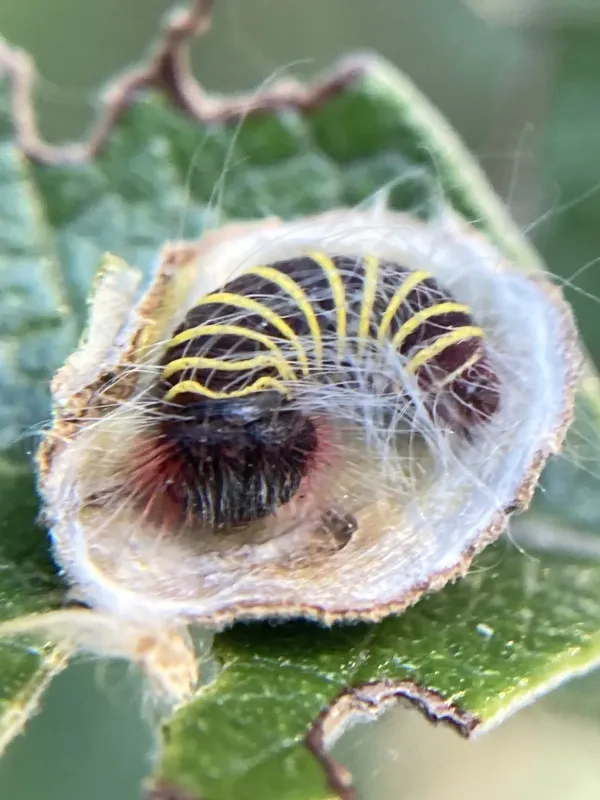
Description
How to identify
Pyrrhopyge belongs to the family Hesperiidae (skipper butterflies) within the order Lepidoptera. These are diurnal butterflies characterized by a robust body structure, a large head, and a wingspan typically ranging from 40 to 60 mm.
The appearance of adults often features dark wings with vibrant orange or white spots. The insect's body is frequently covered in dense hairs, giving it a thick and sturdy appearance.
The life cycle involves complete metamorphosis: egg, larva (caterpillar), pupa, and adult. Caterpillars have a prominent head capsule and often lead a concealed lifestyle, making early detection difficult.
Unlike many other butterflies, Pyrrhopyge species are known for their distinct flight pattern, which is usually fast and erratic. They are primarily inhabitants of tropical and subtropical regions in the Americas.
Systematically, the genus includes numerous species with similar biology. Identification of a specific species often requires an analysis of wing patterns or genital morphology.
What it damages
The primary damage is caused by caterpillars that actively feed on the foliage of various trees and shrubs. Their diet includes both wild species and certain agricultural crops.
Plants in the Fabaceae family and some fruit-bearing trees are particularly susceptible. Caterpillars consume leaf margins, which, at high population densities, leads to significant defoliation.
Damage to the leaf blade reduces photosynthetic activity, negatively impacting the plant's overall growth and yield. Young plants are especially sensitive to feeding damage.
In industrial plantations, Pyrrhopyge activity can weaken the tree's immune system, making it more vulnerable to secondary infections and other pests.
Damage is also manifested in mechanical injury to shoots if caterpillars feed on delicate tissues of young leaves and buds while building their shelters.
Signs of infestation
The first sign of the pest's presence is the characteristic "shelters" or rolled leaves where the caterpillars hide. They bind leaf edges with silk to create a protective nest.
On the leaf surface, one can notice caterpillar excrement, appearing as small dark granules. This is a crucial visual marker of insect activity within the tree canopy.
Eaten leaf edges with preserved central veins also indicate the activity of leaf-chewing pests, including skipper larvae.
A reduction in canopy aesthetic value and premature leaf drop often accompany mass outbreaks of these butterflies in a garden.
Inspecting the underside of leaves during early morning hours may reveal the caterpillars themselves, as they are less active during the day.
Control measures
Mechanical collection and destruction of nests containing caterpillars is the most effective and safe method for small gardens or young plantings.
If population densities are high, biological control agents based on Bacillus thuringiensis can be used; these target Lepidoptera specifically without harming beneficial insects.
In extreme cases, the application of systemic or contact insecticides approved for ornamental and fruit crops may be necessary.
It is essential to monitor plant health during the butterfly flight period to detect egg-laying early and prevent mass hatching of larvae.
Agronomic measures include maintaining high cultural standards, which supports natural population suppression by various entomophages (parasitic wasps and flies).
Taxonomy
- Latin name
- Pyrrhopyge
- Order
- Lepidoptera (butterflies)
- Family
- Hesperiidae
- EPPO code
- PYRHSP
Discussion
No discussions yet — be the first.