
Surinam cockroach
Pycnoscelus surinamensis
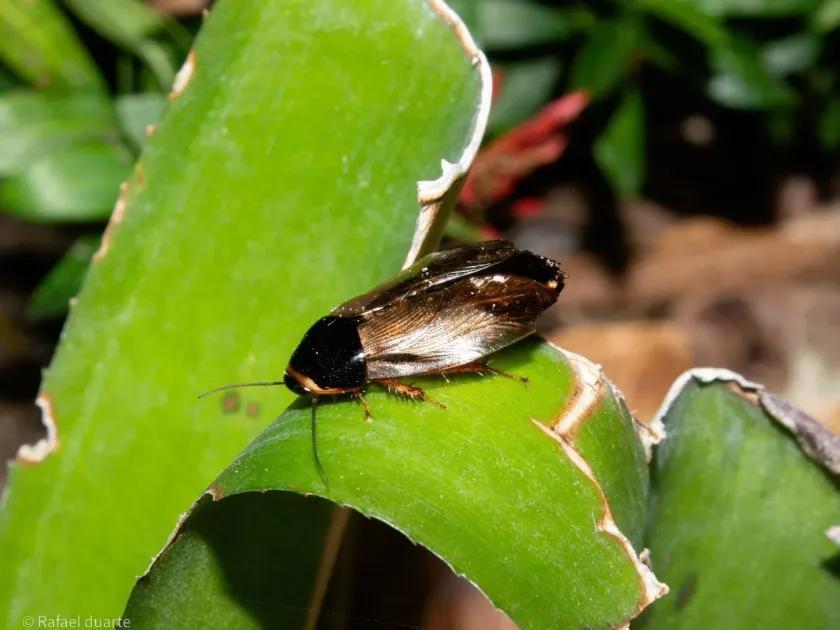
Description
How to identify
The Surinam cockroach is a burrowing species belonging to the Blaberidae family, commonly found in tropical and subtropical regions.
Adults are typically 18–25 mm long, with a dark brown or blackish shiny body and a light-colored band along the pronotum.
This species is well-known for its parthenogenesis, meaning females can reproduce without males, leading to rapid colony expansion.
Their bodies are structurally adapted for burrowing, featuring strong spines on their legs that facilitate movement through moist soil.
They are primarily nocturnal and show a strong preference for loose, damp soil rich in organic matter, often hiding during the day.
What it damages
The primary concern for growers is the root damage caused by these cockroaches in greenhouse pots and nurseries.
They feed on the roots of various ornamental and greenhouse plants, often causing significant loss of plant vigor and eventual death.
By constantly digging tunnels within the potting medium, they disrupt root structure and prevent the plant from absorbing nutrients effectively.
Young seedlings are particularly vulnerable to their feeding habits, as even minor damage to the root system can cause total collapse.
Heavy infestations can lead to a drastic reduction in greenhouse productivity and the health of the plant collection.
When it appears
In greenhouses and interior settings, the Surinam cockroach remains active throughout the year due to stable environmental conditions.
They thrive in environments where soil moisture and temperatures are consistently warm, typically between 20°C and 30°C.
The absence of seasonal dormancy in climate-controlled greenhouses allows them to multiply continuously without interruption.
Their activity patterns are linked to soil quality and food availability rather than external weather fluctuations.
Under optimal conditions, the life cycle from egg to adult is relatively short, allowing for multiple generations per year.
Signs of infestation
Sudden wilting of potted plants, despite adequate watering, is often the first visible symptom of an infestation.
Growers may observe small exit holes in the soil surface or find cockroach nymphs when moving or repotting infested plants.
The presence of chitinous exoskeletons (moltings) scattered on the soil or beneath containers is a tell-tale sign of their presence.
Nighttime observation under low-light conditions often reveals adult cockroaches active near the base of the stems or running across benches.
Soil that appears churned or hollowed out is a structural indication of active burrowing and nesting behavior by the colony.
Control measures
Effective management begins with strict quarantine protocols for all new plants entering the greenhouse to prevent introduction.
When an infestation is detected, repotting the plant into sterile, fresh media after thoroughly washing the root system is highly effective.
Soil drenches with systemic insecticides can be used to target populations that are deeper within the potting mix.
Sanitation is key; keeping benches clean and removing fallen debris or organic waste reduces potential food sources for the pests.
- Use sticky traps for monitoring adult activity.
- Ensure proper storage of soil and compost piles away from plant areas.
- Adopt integrated pest management (IPM) practices to reduce reliance on chemicals.
Taxonomy
- Latin name
- Pycnoscelus surinamensis
- Family
- Blaberidae
- EPPO code
- PYCSSU
Discussion
No discussions yet — be the first.